Costume Design, Essential in Story telling
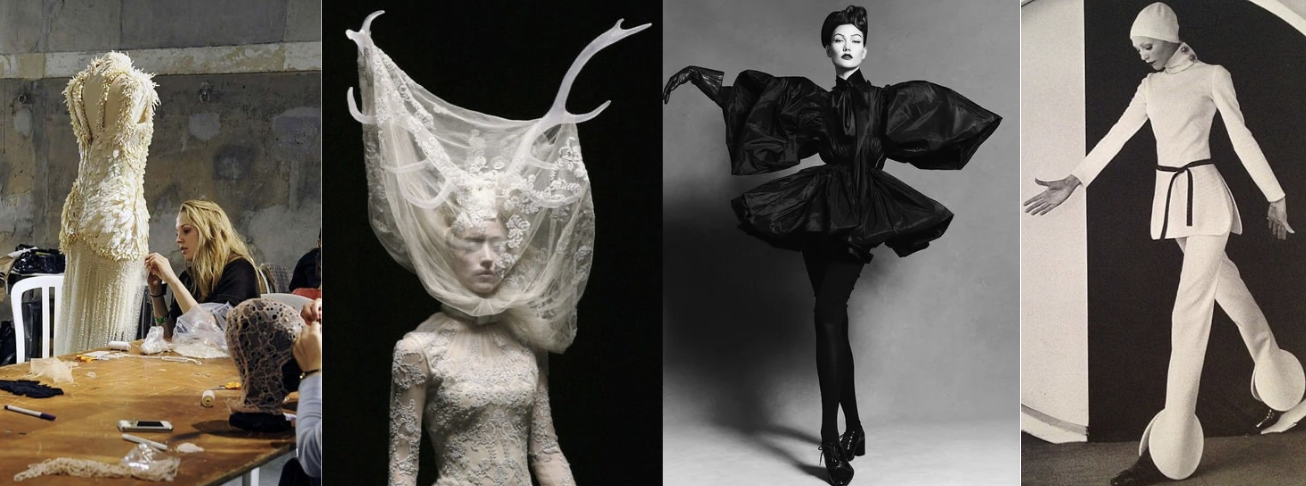
Costume design is far more than dressing characters beautifully. It is a visual language that communicates identity, emotion, power, transformation, and narrative context, often before a single word is spoken. Across film, theater, television, and even digital media, costumes shape how stories are understood, felt, and remembered.
This article explores why costume design is essential to storytelling, how it works in practice, its creative and technical processes, its limits, and how technology and global culture are reshaping the field.
Costume Design as Visual Storytelling
Costume design functions as a non-verbal narrative tool. Through clothing, accessories, colours, and textures, designers communicate a character’s background, social status, psychology, and emotional journey.
Before dialogue begins, audiences instinctively read costumes:
- Worn fabrics can suggest hardship or trauma
- Tailored silhouettes may signal authority or control
- Color palettes can foreshadow transformation or conflict
This silent storytelling deepens character portrayal and strengthens emotional engagement. Costumes do not simply decorate the story. They carry it forward visually.
How Costumes Shape Character Identity and Evolution
Costumes often evolve alongside characters. Changes in silhouette, colour, material, or styling mirror inner transformations.
Examples commonly seen in cinema and television include:
- A gradual darkening of colours to reflect moral conflict
- A shift from restrictive garments to freer silhouettes symbolising emancipation
- The introduction or removal of accessories to mark power, loss, or rebirth
These visual cues allow audiences to feel change rather than be told about it, making storytelling more immersive and emotionally credible.
The Costume Design Process: From Script to Screen
Costume design is a methodical and collaborative process that begins long before filming or performance.
Key stages include:
- Script analysis: understanding character arcs, relationships, and narrative tone
- Historical and cultural research: ensuring authenticity and coherence
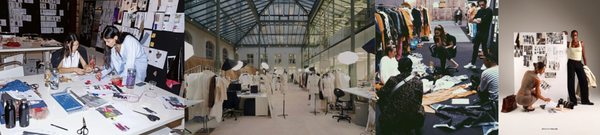
- Concept development: defining visual identity through sketches or digital renderings
- Production and sourcing: garment creation, adaptation, or rental
- Fittings and adjustments: aligning costume with actor performance
- On-set continuity and maintenance: preserving visual consistency
This workflow ensures costumes are not only aesthetically strong but also functional and narratively precise.
Skills, Research, and Knowledge Behind Costume Design
Costume designers require a rare balance of artistic sensitivity and technical expertise.
Essential skills include:
- Deep knowledge of fashion history and cultural symbolism
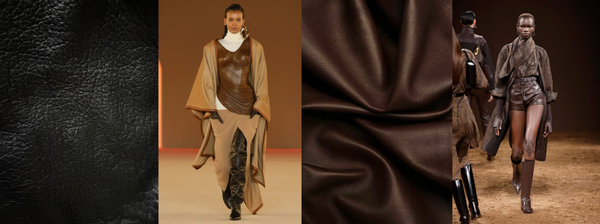
- Understanding fabrics, textures, and garment construction
- Visual storytelling through color theory and silhouette
- Sketching and digital rendering abilities
Research is crucial. Without it, costumes risk becoming superficial or inaccurate, weakening the credibility of the story.
Collaboration: Costume Design as a Collective Art
Costume design never exists in isolation. Designers work closely with:
- Directors
- Actors
- Production designers
- Cinematographers
This collaboration ensures visual harmony across sets, lighting, and narrative tone. Strong communication prevents mismatches between costume aesthetics and storytelling intentions, allowing the production to flow smoothly.
Costumes and Actor Performance
Costumes directly influence how actors inhabit their roles. The weight of a garment, the restriction of a corset, or the fluidity of fabric can alter posture, movement, and emotional expression.
Through fittings, actors physically connect with their characters. Functional costume design also supports demanding scenes involving stunts, choreography, or quick changes, making performance more believable and embodied.
Maintenance, Continuity, and the Hidden Labor of Costumes
Behind the scenes, the costume department ensures:
- Repairs during shooting
- Continuity across scenes and takes
- Storage and preservation of garments
Costumes are particularly vulnerable during action scenes, repeated takes, or tight schedules. This invisible labor is essential to maintaining narrative coherence and production quality.
Global Influence and Cultural Responsibility
Modern costume design is deeply influenced by global aesthetics. International cinema and fashion cultures have reshaped Hollywood and mainstream media.
However, this comes with responsibility. Designers must approach cultural references with sensitivity, avoiding stereotypes or appropriation. Authentic storytelling requires respect, research, and collaboration with the cultures represented.
The Business Side of Costume Design
Costume design also involves strong business awareness:
- Budget management
- Negotiation with production teams
- Intellectual property considerations
Success in the field depends as much on strategy and networking as on creativity.
Limits and Criticism of Costume Design
Despite its power, costume design has limits:
- Budget constraints can restrict creativity
- Over-stylization may distract from storytelling
- Lack of cultural research can lead to misrepresentation
- Sustainability challenges persist in large productions
Acknowledging these limits is essential to improving ethical, inclusive, and meaningful costume practices.
My Thought
What fascinates me most about costume design is how quietly powerful it is. It speaks before characters do, shaping our perceptions without asking for attention. Costume design reminds me that storytelling isn’t only about words or plot, it’s about atmosphere, emotion, and detail.
I see costume design as a bridge between fashion, psychology, history, and performance. When done thoughtfully, it doesn’t just dress characters, it gives them depth, vulnerability, and truth. In a world increasingly driven by images, costume design feels more relevant than ever, both as an art form and as a language.
See you in the next one,
Xoxo
Eden
Resources
Sites:
- Style3D: what-makes-costume-design-essential-for-storytelling
- Loop Talent: the-power-of-costume-design
- Holly Clothing: storytelling-through-costumes
Pictures: