Culture Influences Fashion

What Is Culture?
Culture is the characteristics and knowledge of a particular group of people. Their language, religion, cuisine, social habits, music, and arts. It shapes who we are, how we think, and even how we dress.
Fashion, as a reflection of human identity, is deeply intertwined with culture. When culture changes, fashion evolves too. Designers and brands must constantly stay in tune with cultural movements to remain relevant and respectful.
How Culture Shapes the Way We Dress
Around the world, culture determines how people dress, from religion to heritage to tradition.
Religion and Dress Code:
In Christianity, modesty is encouraged, as seen in 1 Timothy 2:9-10, where women are advised to “dress modestly, with decency and propriety.” This inspires long skirts, high necklines, and simplicity.
In Islam, women often wear the abaya, burqa, or shalwar kameez, garments that reflect modesty and respect.
Buddhist monks wear robes covering the neck to the ankle, symbolising detachment from materialism and temptation.
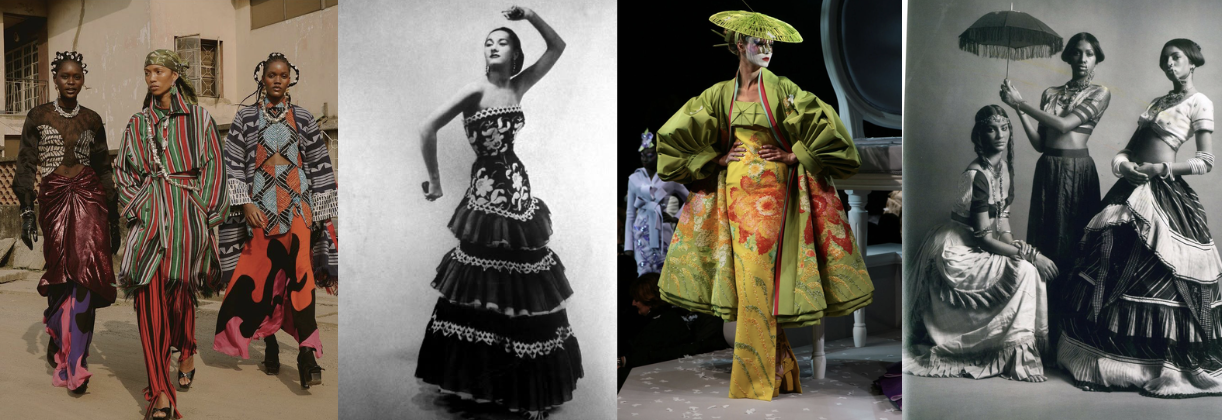
Traditional Clothing Across the World:
- Sari (India, Sri Lanka, Nepal): a single, unstitched fabric, often passed down through generations.
- Kente Cloth (Ghana): royal, handwoven fabric used for special occasions.
- Kimono (Japan): full-length robe representing good fortune and longevity.
- Hanbok (Korea): traditional colourful garment symbolising grace.
- Agbada (West Africa): wide-sleeved robe worn by men, symbolising pride and heritage.
- Kilt (Scotland): emblem of Gaelic identity and family heritage.
Each of these garments carries the history, artistry, and pride of the people who wear them. A testament to how clothing becomes a visual language of culture.
Fashion as a Cultural Expression
Fashion isn’t just about style. It’s storytelling. Each garment can represent ancestry, beliefs, and identity.
For example, the sari and agbada both express elegance, status, and tradition. They act as heirlooms and living symbols of culture passed down generations.
Fashion designers use these elements as inspiration to create garments that are not only beautiful but also meaningful, bridging the gap between heritage and modernity.
The Impact of Globalisation on Fashion
Globalisation has transformed how fashion and culture interact.
It has enabled designers and brands to mix styles, patterns, and traditions from all over the world, creating new trends while spreading awareness of diverse cultures.
Example: Nose rings originated in the Middle East over 4,000 years ago, travelled to India, and then became popular in Western fashion, a direct result of cultural exchange.
Designers like Laduma Ngxokolo and Narciso Rodriguez have used their cultural backgrounds (South African and Cuban) to shape global fashion aesthetics.
However, There Are Limits: Cultural Appropriation
Globalisation can sometimes blur the line between appreciation and appropriation.
When cultural symbols or garments are taken out of context or worn disrespectfully, it can cause backlash.
For instance, the durag, rooted in Black culture as a tool for protecting hairstyles, sparked controversy when worn by celebrities with no understanding of its meaning.
Similarly, Native American headdresses were banned from festivals like Glastonbury for being worn as “costumes” by non-Natives.
Fashion must respect the origins, history, and people behind every cultural inspiration not turn it into an aesthetic trend devoid of meaning.
Modern Fashion and Cultural Identity
In contemporary fashion, embracing cultural identity is becoming central.
Brands like Issey Miyake fuse traditional Japanese elements with modern design, celebrating heritage while innovating.
Maison Margiela also took inspiration from the traditional Japanese tabi shoe, reintroducing it into high fashion.
Fashion now serves as both a global industry and a personal medium of self-expression, allowing people to proudly display their cultural identity while adapting to the modern world.
The Artistic and Social Dimension of Fashion
Fashion is both art and language. It tells stories, represents beliefs, and expresses emotions.
From Alexander McQueen’s “Savage Beauty” exhibition to the traditional Indian sari, fashion connects history, culture, and personal identity.
It also influences politics and social change. Whether in feminist movements, gender identity, or cultural pride.
The Limits and the Future
Fashion still faces challenges. Many large brands exploit cultural symbols for profit, often ignoring their true significance.
While inclusion and diversity are improving, more must be done to ensure all cultures are respected and represented fairly.
Supporting smaller, independent designers who work authentically with cultural heritage helps push the fashion world toward inclusivity and ethical creativity.
My Thought
To me, culture and fashion are inseparable.
Every garment tells a story of who we are, where we come from, and what we believe in. I think it’s essential for the fashion industry and all of us as individuals to wear culture with respect and pride.
Fashion is not just about looking good; it’s about belonging, history, and identity. When we wear something inspired by another culture, we should understand and appreciate the meaning behind it. Not just the aesthetic.
Culture makes fashion alive, emotional, and powerful. That’s what makes it art.
See you in the next one,
Xoxo
Eden
Resources
- Fashion and Culture: the-role-of-fashion-in-cultural-identity 0AXxN_zp-PN1Lg
- Vogue: https://www.vogue.com
Photos
- Photo 1: 25bb247ca6e1e021ced466ebc6dc1bea.jpg
- Photo 2: a6a5804e8f452d85ace4a145faf6d8a9.jpg
- Photo 3: 67d798885ef72909714e178b35944aa5.jpg