Editorial Fashion Styling
Editorial styling is one of the most sought-after roles in the fashion industry. It carries prestige, creativity, and the promise of working with iconic publications and luxury brands. But what does the career of an Editorial Stylist truly look like behind the scenes? Beyond the glamour of magazine covers lies a profession built on discipline, collaboration, storytelling, and resilience.
What Is Editorial Fashion Styling?
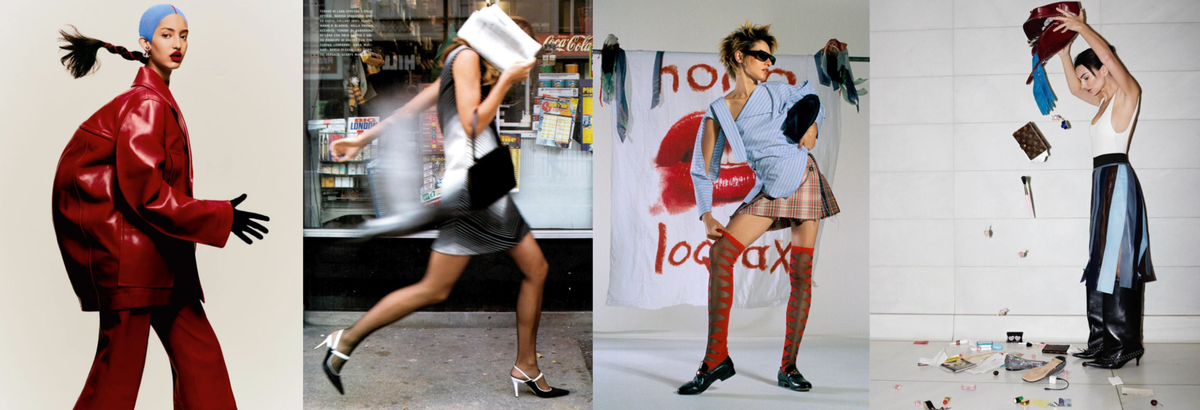
Editorial fashion styling is the art of storytelling through clothing. It goes beyond assembling outfits, it creates visual narratives that communicate a mood, identity, or concept.
Traditionally, editorial images accompany articles in magazines or newspapers. However, editorial imagery can also stand alone, implying a narrative or expressing a creative vision. Unlike advertising, editorial styling focuses on storytelling rather than direct selling.
An editorial stylist works with:
- Publications (print and digital)
- Luxury and commercial brands
- Celebrities and public figures
- Music videos and live performances
- Fashion shows and runway presentations
They collaborate with designers, photographers, creative directors, producers, hair and makeup artists, and models to execute a unified concept. Often, stylists work with designer samples that are loaned before collections reach retail.
In essence:“To advise individuals and organisations on how to present themselves more positively and effectively.”
The Role and Responsibilities of an Editorial Stylist
The job description of an editorial stylist is diverse and often extends beyond clothing selection.
- Core Responsibilities:
- Sourcing garments and accessories
- Translating a brief into cohesive looks
- Managing wardrobe logistics and organisation
- Directing visual flow on set
- Assuring high-quality images for print, digital, social media, apps, and websites
- Meeting deadlines under pressure
- Keeping up with trends and industry developments
- But the role can also include:
- Location scouting
- Set design input
- Concept development
- Briefing the creative team
- Assisting with overall art direction
Editorial styling is both creative and operational. It requires structure as much as imagination.
Key Characteristics of a Successful Editorial Stylist
- Organisation
- A stylist must manage garments, timelines, and creative teams. Shoots involve multiple moving parts, without strong organisation, the vision collapses.
- Creativity
- Creativity is not just a passion for fashion. It is the ability to interpret a brief, think conceptually, and create memorable imagery that feels new.
- Relationship Building
- Strong relationships with designers provide access to exclusive pieces. Respect toward photographers, models, and artists builds long-term collaboration opportunities. Reputation matters as much as talent.
- Determination
- Editorial styling is highly competitive. Many stylists assist for years before becoming independent. Persistence and resilience are essential.
The Creative Process: Planning an Editorial Shoot
Editorial photography requires planning and narrative intention.
Research
Before a shoot, the team defines:
- What is the story?
- Who is the subject?
- What mood should be evoked?
- How has this been done before?
Innovation is key. Editorial work must feel fresh.
Moodboards
Moodboards align everyone visually. They define color palettes, textures, references, and tone. Some creatives even sketch storyboards to map visual progression.
Logistics
Preparation includes:
- Garment packing
- Model and property release forms
- Equipment planning
- Location permissions
- Backup plans
On Set
Professionalism and respect are crucial. Editorial work is collaborative and requires adaptability.
Post-Production
Editorial images require editing to ensure cohesion and narrative consistency. Software like Lightroom is often used to refine the final aesthetic.
What Makes a Look “Editorial”?
An editorial look stands apart because it:
- Tells a story
- Has artistic depth
- Feels cohesive
- Creates visual impact
- Matches the publication’s identity
For example, an avant-garde silhouette paired with timeless accessories in an urban setting creates contrast and narrative tension.
Editorial styling is about emotion and atmosphere, not just clothing.
The Reality and Limits of Editorial Styling
While the career appears glamorous, there are important limitations to acknowledge:
- Financial Instability
- Early career stages often involve unpaid or low-paid assisting roles.
- High Competition
- The industry is saturated. Standing out requires constant innovation.
- Pressure and Deadlines
- Shoots operate under strict timelines and client expectations.
- Creative Restrictions
- Even in editorial work, stylists must align with brand identity and publication guidelines.
- Physical Demands
- Long shoot days, heavy garment racks, and constant travel can be exhausting.
Recognizing these realities is essential. Editorial styling is rewarding, but demanding.
Practical Steps to Become an Editorial Stylist
- Gain industry experience (assist established stylists)
- Invest in professional styling education
- Build a strong portfolio
- Network strategically
- Stay informed about trends and fashion weeks
- Test creative concepts and share on social media
- Develop technical knowledge (fabric, tailoring, color theory)
Experience and credibility build over time.
8. Editorial Styling and Modern Masculinity
Editorial styling plays a major role in redefining identity, especially in luxury fashion. Modern masculinity is increasingly explored through:
- Blending classic tailoring with contemporary silhouettes
- Using subtle textures and unconventional palettes
- Encouraging individuality
- Embracing gender fluidity
Editorial imagery has the power to challenge traditional norms and present nuanced representations of identity.
My Thought
Editorial fashion styling fascinates me because it combines art and discipline. It is not only about clothes, it is about identity, storytelling, and influence. What I find particularly powerful is how editorial imagery shapes how we see beauty, masculinity, femininity, and culture.
However, I also recognize that this career demands sacrifice, resilience, and constant growth. It is not simply glamorous magazine covers, it is years of assisting, networking, and proving yourself.
For me, editorial styling represents the perfect balance between creativity and strategy. It is about vision, but also about structure. And that duality is what makes it so compelling.
Resources
- Australian Style Institut: what-an-editorial-stylist-does-and-how-to-become-one
- fipi: what-is-an-editorial-stylist
- Adobe: editorial-photography.html
- Luie al reye : mastering-the-world-of-editorial-fashion-styling