Fashion Photography

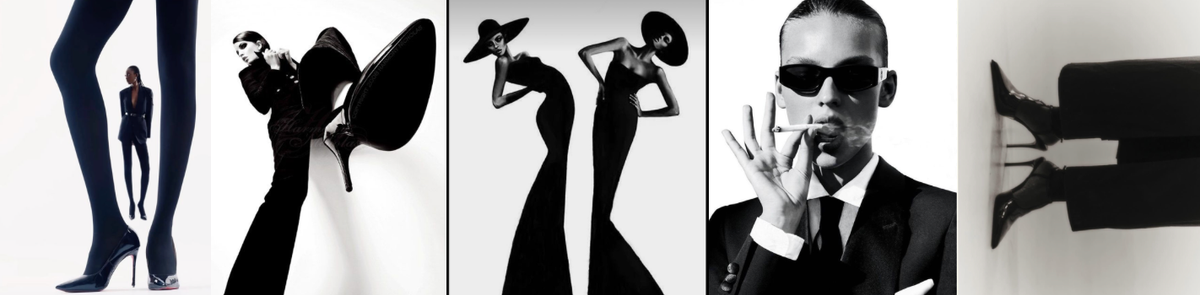
What Is Fashion Photography?
Fashion photography is a genre of photography dedicated to showcasing clothing, accessories, and beauty products. It usually involves a fashion photographer capturing a dressed model either in a studio or in an outdoor setting. While some fashion photography has been elevated to the status of fine art, its primary purpose remains commercial: promoting clothing, perfumes, and beauty products.
This genre plays a central role in the fashion industry, serving as a key communication tool for designers and brands. Fashion photography appears mainly in advertisements and magazines such as Vogue, Vanity Fair, and Elle, helping to shape how fashion is perceived by the public. Over time, it has developed a distinct aesthetic, often enhanced by exotic locations, elaborate sets, or strong visual narratives.
The Origins of Fashion Photography
Fashion photography has existed almost since the invention of photography itself. The earliest known photograph dates back to 1826, but photography was soon used to document clothing and appearance. One of the earliest figures associated with fashion imagery was Virginia Oldoini, Countess di Castiglione, who worked with photographer Pierre-Louis Pierson from 1856 onward to create hundreds of staged portraits. Through these images, she arguably became the first fashion model.
In the late 19th century, fashion photographs began appearing alongside textile sample books in France. In 1892, La Mode Pratique became the first fashion magazine to print photographs. Soon after, publications such as Harper’s Bazaarfollowed, marking the gradual replacement of hand-drawn fashion illustrations with photographic images.
The Rise of Modern Fashion Photography (1900–1930s)
The early 20th century marked a turning point. Advances in printing techniques allowed photographs to be reproduced easily in magazines, making fashion publications widely accessible. In 1909, Condé Nast acquired Vogue and transformed it into a prestigious international fashion magazine.
A defining moment came in 1911, when Edward Steichen photographed gowns by designer Paul Poiret. These images are considered the first modern fashion photographs because they conveyed the texture, movement, and physical presence of garments rather than simply documenting them.
Soon after, Baron Adolph de Meyer became the first official fashion photographer for Vogue, introducing a romantic, soft-focus style. He was later replaced by Steichen, who brought a more modern and structured approach, focusing on the model rather than elaborate backgrounds. Alongside photographers like Cecil Beaton, George Hoyningen-Huene, and Horst P. Horst, fashion photography evolved into a respected art form.
Fashion Photography and World Events
Fashion photography has never existed in isolation. During World War II, the industry was deeply affected. Paris, the fashion capital of the time, became isolated, and Vogue Paris temporarily shut down. In the United States, fashion imagery took on an “Americana” tone, while European photographers incorporated wartime realities into their work.
Photographers such as Lee Miller documented women wearing fashionable clothing amid bombed cities or adapting beauty routines during blackouts. These images challenged the idea that fashion was frivolous, showing instead how it could reflect resilience, survival, and the emotional climate of the time.
Post-War Innovation and the Golden Age (1950s–1960s)
After World War II, fashion underwent dramatic change. Designers like Christian Dior, with his 1947 New Look, reintroduced glamour and femininity. Photographers responded with new visual languages.
During this period, fashion photography became more dynamic and cinematic. Richard Avedon captured movement and emotion, while Irving Penn described his work as “selling dreams, not clothes.” Models left the studio and entered the streets, reflecting a freer, more spontaneous approach to fashion imagery.
The 1960s also coincided with the feminist movement. Fashion photography began to reflect changing roles for women, embracing youth culture, liberation, and individuality.
Pushing Boundaries: From the 1970s to the 1990s
From the 1970s onward, photographers increasingly challenged social norms. Artists like Helmut Newton, Guy Bourdin, and Gian Paolo Barbieri created provocative images exploring sexuality, power, and femininity. While influential, their work also sparked controversy over objectification and the male gaze.
In contrast, female photographers such as Deborah Turbeville, Sarah Moon, and Eve Arnold introduced more introspective and poetic perspectives, offering alternative representations of beauty.
The 1990s saw a shift toward realism. Photographers like Corinne Day and David Sims embraced raw, documentary-style imagery, celebrating imperfection and everyday life.
Contemporary Fashion Photography: Identity and Diversity
Today, fashion photography is more diverse and expressive than ever. Boundaries between fashion, documentary, and fine art are increasingly blurred. Photographers are valued for their unique perspectives rather than strict commercial conformity.
A new generation has emerged, including Tyler Mitchell, Campbell Addy, Nadine Ijewere, Rafael Pavarotti, and Nadia Lee Cohen. Their work addresses identity, race, gender, and representation while redefining beauty standards. Fashion photography has become a powerful platform for social commentary as well as visual storytelling.
The Limits and Controversies of Fashion Photography
Despite its creativity, fashion photography has its limits. It remains closely tied to commercial demands, often prioritizing sales over authenticity. The industry has historically reinforced narrow beauty standards and contributed to objectification.
Although diversity and inclusivity have improved, progress is uneven. Ethical questions surrounding representation, consumerism, and environmental impact continue to challenge the industry. The tension between artistic freedom and commercial pressure remains a defining issue.
Studying Fashion Photography
Becoming a fashion photographer requires more than technical skill. Specialized education helps aspiring photographers understand styling, lighting, art direction, and the cultural history of fashion imagery. Programs such as fashion styling and multimedia courses allow students to develop a visual identity while learning how to navigate the competitive fashion industry.
My Thought
What fascinates me most about fashion photography is its ability to capture much more than clothing. It reflects society, emotions, and cultural shifts. From wartime images to contemporary explorations of identity, fashion photography tells stories that go beyond trends. I believe its true power lies in its capacity to challenge norms, question beauty standards, and give visibility to voices that were once ignored. Fashion photography is not just about what we wear, it is about who we are and how we choose to be seen.
Resources
Sites:
- Harper’s Bazaar: https://www.harpersbazaar.com
- Vanity Fair: https://www.vanityfair.com
- The British Journal of Photography: https://www.bjp-online.com
- Wikipedia :Fashion_photography
- V&A :100-years-of-fashion-photography
- Vogue: best-fashion-photographers
- Instituto Marangoni: what-is-fashion-photography
Pictures:
- Photo 1: 53d1dea07cd528d09c32393784eba81c.jpg
- Photo 2: 7790330033f9c73ee0cd812a4a5e8ea0.jpg
- Photo 3: f96a90b725505c4b9f5b065928907d9c.jpg
- Photo 4: 247b28d3ede663ec614e714b24e63e8c.jpg
- Photo 5: d3f7dafa058fab39a76530c8d3f563e2.jpg