
Leather

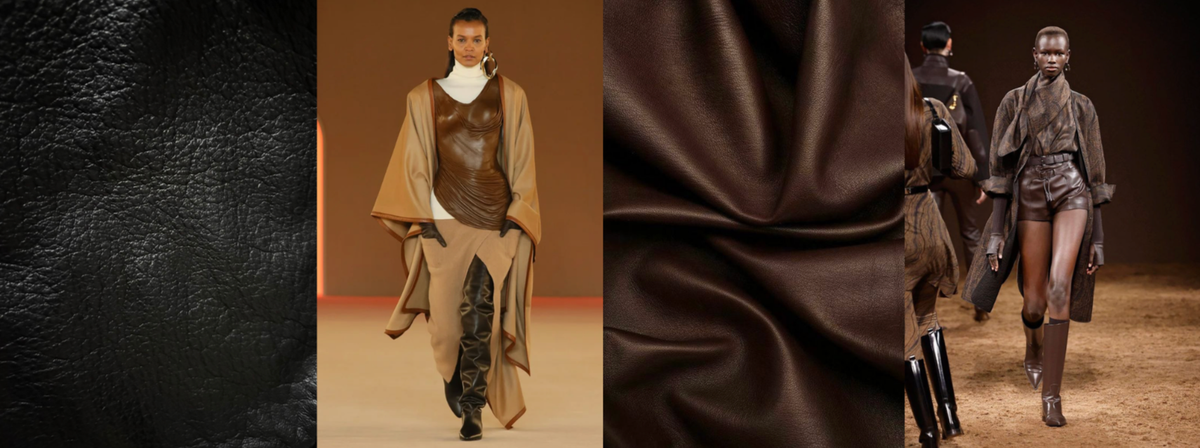
Leather is one of the oldest and most widely used materials in human history. Strong, flexible, and durable, it is created through the tanning of animal hides and skins to prevent decay. For over 7,000 years, leather has been used to make clothing, footwear, bags, furniture, tools, sports equipment, and even armor.
Today, leather remains central to industries such as fashion, automotive design, and luxury goods. However, its production also raises environmental and ethical concerns that cannot be ignored.
What Is Leather?
Leather is made from animal hides, most commonly:
- Cattle (around 65%)
- Sheep (13%)
- Goats (11%)
- Pigs (10%)
Other sources include deer, horse (shell cordovan), ostrich, reptile skins, kangaroo, stingray, and even fish.
The hide consists mainly of collagen fibers. Tanning stabilizes these fibers so the material does not rot, shrink, or harden when wet.
How Leather Is Made
- Preparation
Before tanning, hides go through several stages:
- Soaking
- Hair removal
- Liming
- Deliming
- Bating (enzymatic cleaning)
- Pickling
These steps clean and prepare the hide for stabilization.
- Tanning Methods
The tanning stage transforms raw hide into durable leather.
- Vegetable Tanning
- Uses plant tannins (tree bark, roots, leaves).
- Oldest method (used since around 400 BCE).
- Produces firm, natural brown leather.
- Takes weeks or months.
- Chrome Tanning
- Uses chromium salts.
- Fast (often completed in one day).
- Produces soft, pliable leather.
- Most common modern method.
- Raises environmental concerns due to heavy metal waste.
- Aldehyde Tanning (Wet White)
- Chrome-free.
- Often used for infant shoes and automotive interiors.
- Oil and Brain Tanning
- Traditional methods using oils.
- Produces extremely soft leather (like chamois).
- Finishing
Leather may be dyed, polished, embossed, oiled, coated, or buffed to improve durability and aesthetics.
Leather Grades
Understanding leather quality is essential:
- Full-grain leather: highest quality, develops patina over time.
- Top-grain leather: slightly processed but durable.
- Nubuck: sanded grain for velvet-like texture.
- Suede: from split leather, soft and napped.
- Bicast leather: split leather coated with polyurethane.
- Patent leather: glossy coated finish.
- Bonded leather: shredded leather scraps bonded together.
The term “genuine leather” does not indicate high quality — it simply means the product contains leather.
Environmental Impact
Leather production has significant environmental costs.
- Carbon Footprint
- Estimated between 65–150 kg CO₂ equivalent per square meter (bovine leather).
- Linked largely to cattle farming.
- Water Pollution
- 20–80 m³ of wastewater per ton of hide.
- May contain chromium, sulfides, fats, and pathogens.
- Chemical Waste
- In countries with weak environmental regulations, tanning pollution can be severe. For example:
- In Kanpur, India, pollution levels forced authorities to shut down dozens of tanneries.
- In Dhaka, Bangladesh, tannery waste contaminated major rivers.
Although advanced systems can reduce pollution by over 90%, improper waste management remains a major challenge globally.
Cultural and Social Significance
Leather has shaped modern culture:
- Cowboys and aviators
- Motorcycle protective gear
- Rock and punk fashion
- Sports equipment like baseball gloves
At the same time, religious and ethical considerations influence its use. Jainism prohibits leather use. Judaism restricts leather shoes on specific holy days. Muslim and Hindu consumers may avoid specific animal sources.
Alternatives to Leather
Due to ethical and environmental concerns, alternatives are expanding:
- Polyurethane-based faux leather
- Lab-grown cultured leather
- Mushroom-based materials
- Gelatin-based upcycled textiles
The artificial leather market surpassed $50 billion by 2015, reflecting growing demand for alternatives. However, synthetic materials often rely on plastics, which take 500+ years to decompose.
Preservation and Longevity
One important point: leather lasts decades when properly maintained.
Regular conditioning prevents cracking and drying. High-quality leather can outlast synthetic materials, reducing replacement frequency, a key sustainability factor often overlooked.
My Thought
Leather is not a simple “good or bad” material. It represents tradition, craftsmanship, durability, and cultural identity. But it also carries heavy environmental and ethical responsibilities.
After learning about the Story of Leather, I believe the future is not necessarily about eliminating leather, but about transforming how it is produced. Regenerative agriculture, transparency, and responsible tanning methods could redefine the industry.
As consumers, our power lies in understanding what we buy. Choosing fewer, higher-quality products, whether leather or alternatives, may be the most sustainable decision of all.
See you in the next one,
Eden
Resources:
- Savory Institute: the-story-of-leather
- Wikipedia: Leather
- Britanica: leather
Photos: