Music and Fashion

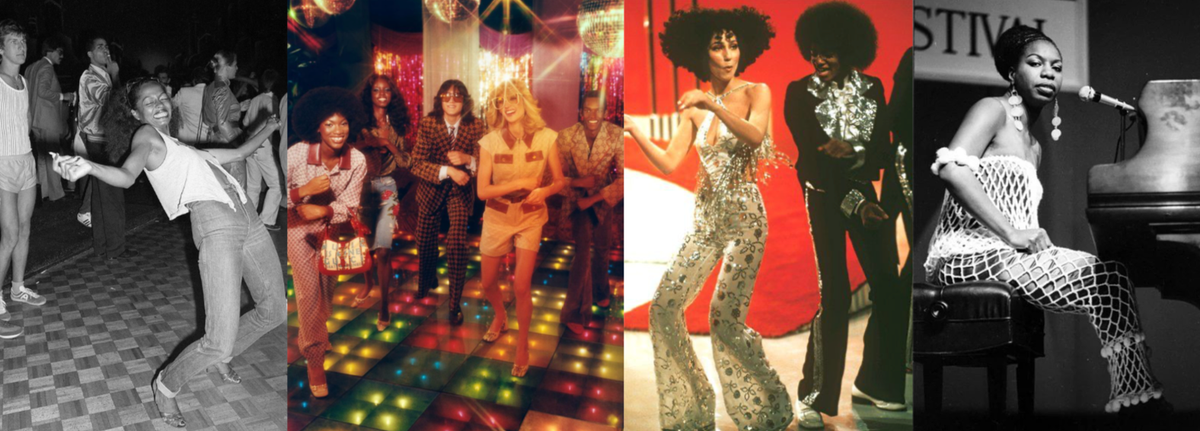
Music and fashion have long been closely intertwined. Across decades, musical movements have not only shaped soundscapes but also influenced the way people dress, present themselves, and express identity. From the rebellious spirit of punk to the sleek dominance of hip-hop streetwear, music has consistently acted as both a mirror and a catalyst for fashion trends.
This article explores the relationship between music and fashion through key themes, historical eras, iconic figures, collaborations, and even the limits of this powerful connection.
Icons Who Redefined Style
Some musicians did more than create hits—they reshaped visual culture.
- Cher
- Described by The Boston Globe as a pioneer of shape-shifting in pop music, Cher popularised hippie fashion in the 1960s with bell-bottoms, bandanas, and Cherokee-inspired tunics. Over decades, she continuously reinvented her image, earning the nickname “ultimate pop chameleon.” Her influence can be seen in artists like Beyoncé and Jennifer Lopez, who embrace dramatic visual transformations.
- David Bowie
- Bowie blurred gender boundaries and transformed stage personas into fashion statements. His flamboyant and androgynous style paved the way for artists to treat clothing as performance art.
- Michael Jackson
- In the 1980s, Jackson’s red leather jackets, sequined gloves, fedora hats, and high-water pants became global trends. British Vogue called him a fashion pioneer who launched the “trophy jacket” era.
- Madonna
- Madonna transformed fashion in the 1980s, mainstreaming subcultural styles and popularising underwear as outerwear. Scholar Camille Paglia argued she became more of a fashion icon than a music pioneer, proving the power of image in pop culture.
Music Genres and Their Fashion Revolutions
- Rock and Punk: Rebellion in Fabric
- The punk explosion of the 1970s, driven by bands like Sex Pistols and Ramones, introduced ripped clothing, safety pins, leather jackets, and DIY aesthetics.
- Designer Vivienne Westwood helped shape British punk style through her boutiques Sex and Seditionaries, working closely with the Sex Pistols. Punk fashion rejected norms and turned clothing into political protest.
- Limit: Punk’s anti-establishment roots were eventually commercialised. Major designers and fashion houses adopted its aesthetic, diluting its rebellious meaning.
- Hip-Hop and Streetwear: Urban Power
- Emerging in the Bronx in the 1970s, hip-hop fashion introduced oversized silhouettes, sneaker culture, gold chains, and bold logos. Artists like The Notorious B.I.G. helped define this look.
- Streetwear, once a subculture, is now a global industry influencing luxury fashion.
- Limit: The commercialisation of hip-hop fashion sometimes detaches it from its cultural and social roots in Black urban communities.
- Grunge: Anti-Fashion as Fashion
- Originating in Seattle in the mid-1980s, grunge was popularized by bands like Nirvana and Pearl Jam.
- Thrift-store flannels, ripped jeans, and an androgynous silhouette symbolised rejection of consumerism. Ironically, designers later brought grunge to high fashion runways.
- Limit: What began as anti-commercial quickly became commodified.
- Heavy Metal: Dark Identity
- Heavy metal fashion, associated with bands like Metallica, features black clothing, leather jackets, long hair, band patches, and sometimes bullet belts or war-inspired gear.
- It expresses intensity, power, and belonging within a strong subculture.
- Country and Western Wear
- Western fashion derives from 19th-century frontier clothing. Influenced by entertainers like Gene Autry, it includes cowboy hats, pearl-snap shirts, denim jeans, leather belts, and boots.
- Today, it blends tradition with modern country aesthetics.
- EDM and Festival Fashion
- Electronic Dance Music reshaped party fashion in the 2010s. Neon colors, holographic fabrics, DIY outfits, and futuristic elements define festival looks.
- This style celebrates creativity and freedombut also raises concerns about fast fashion waste due to rapidly changing trends.
- Music and Fashion Through the Decades
- 1920s - Flappers & Jazz: Short skirts and loose silhouettes symbolised liberation and feminism.
- 1950s - Teen Pop: The rise of Elvis Presley influenced youth-driven fashion markets.
- 1960s - Mods: The Mod movement in London blended modern jazz with tailored, stylish looks.
- 1970s - Punk & Glam: Individualism and shock aesthetics dominated.
- 1980s - Goth: Inspired by darker music subcultures, black clothing and dramatic makeup prevailed.
- 1990s - Grunge & Hip-Hop: Anti-fashion met luxury streetwear.
- 2010s-2020s - Gender Fluidity: Artists increasingly challenge traditional gender norms in clothing.
Major Collaborations Between Sound and Style
Music and fashion industries now collaborate strategically:
- Billabong × Metallica
- Crocs × Post Malone
- Dakine × The Grateful Dead
- Happy Socks × Ramones
- Stance × Nirvana
These partnerships create limited-edition collections, merging fan culture with consumer fashion.
Limit: While collaborations strengthen both industries, they can reduce artistic identity to branding and profit.
The Digital Age
Platforms like Instagram and TikTok allow artists to instantly influence global fashion trends. Trends now spread in hours instead of years.
However, this speed can also encourage overconsumption, trend cycles, and loss of authenticity.
Conclusion
Music and fashion have continuously shaped one another. Each genre, from jazz to hip-hop, has left a distinct visual identity that reflects social change, rebellion, empowerment, or creativity.
Yet, as fashion becomes more commercialized and digital, the authenticity of these styles can sometimes be diluted.
My Thought
Personally, I find the relationship between music and fashion fascinating because it shows how culture evolves. Music is something we hear, but fashion is something we see—and when the two combine, they create a complete artistic identity.
However, I also think it is important to question commercialization. When a rebellious movement like punk or grunge becomes a luxury trend, does it lose its original meaning?
For me, fashion inspired by music is most powerful when it remains authentic and connected to its cultural roots rather than just becoming a trend.
Resources:
- Wikipedia: Music_and_fashion
- Illustrate media: the-influence-of-music-genres-on-fashion-trends-from-rock-to-hip-hop-and-beyond
- JD school of design: fashion-and-music-the-rhythmical-connection-between-style-sound
Photos: