Responsible Fashion

Why Responsible f-Fashion
The collapse of the Rana Plaza factory in Bangladesh in 2013 was a wake-up call for the world. It revealed the hidden cost behind cheap clothes. Human lives, environmental destruction, and a culture of overconsumption. In response, a new movement emerged, responsible fashion, also known as ethical or sustainable fashion.
Beyond being a passing trend, it represents a profound rethinking of how clothes are made, worn, and valued. It challenges fast fashion’s obsession with quantity, promoting a model that prioritises quality, transparency, and respect for people and for the planet.
Social and Environmental Footprint
Responsible fashion was born from necessity. The urgent need to reduce the social and environmental footprint of an industry that produces over 100 billion garments a year. It emerged as a response to the alarming facts: the fashion industry accounts for 2–8% of global carbon emissions, consumes 215 trillion litres of water annually, and generates 85% of textile waste that ends up in landfills or is burned.
But beyond the numbers lies an ethical shift. This movement calls for a system where workers earn fair wages, materials are sourced responsibly, and garments are designed to last. In France, the 2017 Duty of Vigilance Law even requires major corporations to ensure that their supply chains respect human rights and environmental standards. A strong signal that fashion must evolve.
Eco-Design
Responsible fashion begins with eco-design, a creative process that considers a garment’s entire life cycle, from raw material to end-of-life.
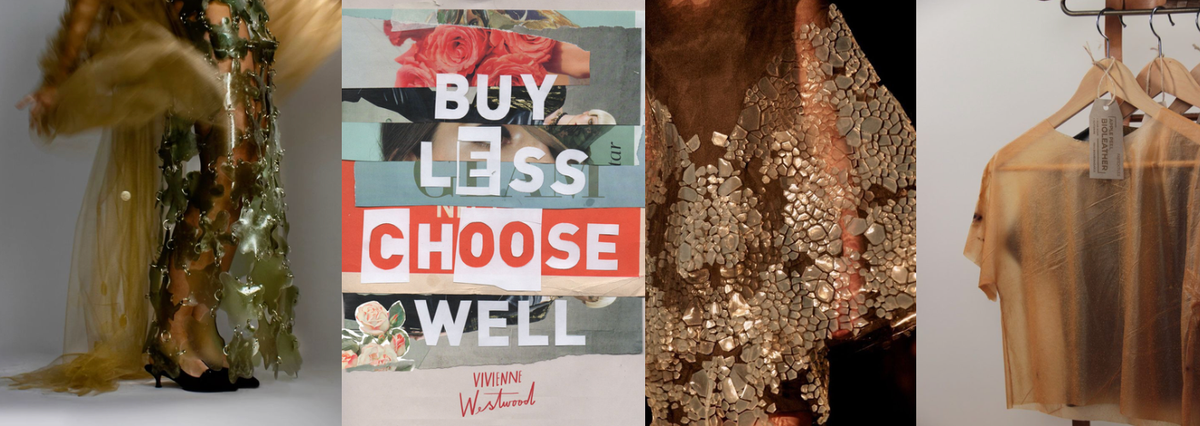
Brands now prioritise organic and natural fibers like organic cotton, linen, or hemp, which require less water and fewer pesticides. Others turn to recycled materials, such as Econyl, a nylon made from plastic waste collected from oceans, or recycled polyester from used bottles.
Certifications such as Oeko-Tex, GOTS, and Leather Working Group (LWG) ensure non-toxic dyes, sustainable sourcing, and animal welfare. Manufacturers are also abandoning harmful practices like sandblasting and chemical-heavy dyeing, replacing them with safer, water-efficient techniques.
Production itself is slowing down: fewer collections, timeless designs, and minimal stock. Many brands even choose local manufacturing, Made in France, Portugal, or Italy, to reduce carbon emissions and support artisanal craftsmanship.
Authenticity and Durability
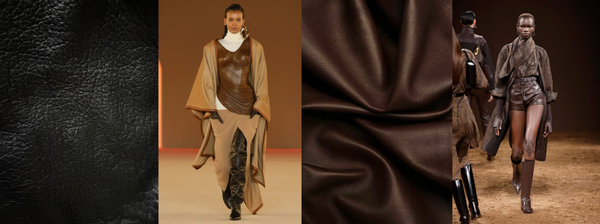
Ethical fashion isn’t just a moral stance , it’s reshaping aesthetics. The minimalist lines, raw textures, and earthy tones of eco-responsible clothing reflect a return to authenticity and durability. In an age of overproduction, “less but better” has become a new form of luxury.
Socially, the movement is fostering transparency and consumer awareness. Brands that reveal where and how their clothes are made invite a more conscious form of consumption. Each purchase becomes a vote, not just for a style, but for a set of values.
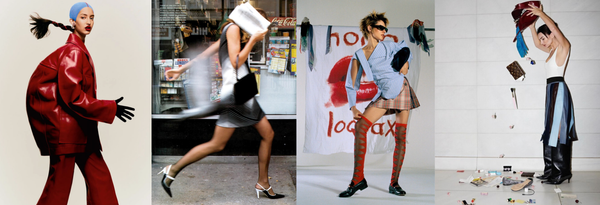
Culturally, responsible fashion challenges the very idea of trend cycles. It promotes timelessness over novelty, creativity over imitation, and purpose over profit.
Today
Across the globe, responsible fashion is gaining ground. International giants are committing to sustainability through the UN Alliance for Sustainable Fashion and the Fashion Industry Charter for Climate Action, which aims for net-zero emissions by 2050.
In France, independent brands like IKO & NOTT embody this shift. The label uses recycled leather, organic cotton, and European manufacturing to create durable, minimalist shoes, proof that ethics and elegance can coexist.
Other pioneers such as Stella McCartney, Patagonia, and Veja continue to show that ecological innovation and strong identity can go hand in hand.
Globally, initiatives like World Cotton Day and the International Day of Zero Waste highlight the importance of circularity, fiber recycling, and fair trade, turning sustainability into a shared global agenda.
My Thoughts
Learning about this theme reminded me that I still have a lot to learn, and a lot of effort to make, to be able to dress without harming the planet. It made me realize how easy it is to overlook what’s behind the clothes we wear every day: the workers’ conditions, the resources consumed, and the waste produced.
For a long time, I associated fashion only with creativity and self-expression, and it still is that, but now I see that it also carries ethical and environmental responsibility. Understanding how garments are made, what materials they use, and who made them gives a completely different perspective on style.
This topic opened my eyes to the idea that small choices can have a big impact. Buying less but better, choosing quality over quantity, and supporting local or ethical brands are not impossible tasks, they just require awareness and intention.
It’s a journey, not a sudden transformation. But one that makes me feel more connected to what I wear, and more respectful toward the planet that provides it all.
Sources: responsible-fashion - sustainable-fashion - mode-ethique
See you in the next one,
Xoxo
Eden