The New Luxury: Experience Over Ownership

Luxury has never been a fixed concept. Throughout history, fashion, particularly luxury fashion, has been a powerful reflection of social change. As early as the Middle Ages, men played a key role in transforming luxury dress. Knights returning from wars and travels brought back foreign influences, adopting new silhouettes and materials. Functional garments such as quilted under-armor evolved into refined everyday clothing, combining efficiency and style.
Later, during the Franco-Flemish court era, men reshaped their bodies to achieve narrow waists and inverted triangular silhouettes, a physical transformation often overlooked compared to the female corset of the 19th century. These changes were sometimes criticized as signs of decadence, yet others saw them as expressions of joy and rebirth after the trauma of the Black Death.
Luxury fashion has therefore always acted as a social language, allowing individuals to reject dominant norms, redefine identity, or express belonging.
From Traditional Luxury to “New Luxury”
Traditionally, luxury was defined by:
- High price
- Exclusivity
- Craftsmanship
- Status and social hierarchy
Today, this definition has shifted dramatically. Luxury is no longer only about owning rare objects. It is increasingly about experience, knowledge, culture, and emotional connection.
As Highsnobiety famously defines it:
“The New Luxury isn’t just about what you wear, but also what you know.”
Consumers now value storytelling, community, cultural relevance, and ethical positioning as much as (if not more than) the product itself.
Trend Forecasting and Cultural Shifts
Luxury brands no longer operate in isolation. Trend forecasting has become essential, requiring a deep understanding of cultural, social, environmental, and economic forces.
Major influences shaping new luxury include:
- The normalization of sportswear in luxury
- Climate change blurring seasonal fashion norms
- Increased global travel and cultural exchange
- Sustainability and ethical awareness
- Digital culture and social media
Trend forecasters no longer ask “What’s new?” but rather “What matters?”
New Luxury and the Modern Consumer
Luxury today is shaped from the bottom up. Consumers, especially Gen Z, now influence brands more than brands dictate taste.
Modern luxury consumers seek:
- Authenticity
- Cultural credibility
- Ethical values
- Sustainability
- Emotional fulfillment
- Belonging and insider knowledge
Luxury has shifted from exclusivity to inclusivity, without fully losing its aura. People may not own a Ferrari, but they can experience luxury through travel, hotels, collaborations, rentals, or cultural participation.
The Limits and Contradictions of New Luxury
Despite its evolution, new luxury has clear limits.
- Loss of Exclusivity
- As luxury becomes more accessible, it risks losing its symbolic power. Excessive collaborations, overexposure, and mass production can dilute brand value.
- Digital Overexposure
- The internet increases brand awareness but weakens selective distribution. If everyone can buy everything online, luxury risks becoming transactional rather than experiential.
- Greenwashing
- While sustainability is central to new luxury, some brands use ethical storytelling as marketing rather than committing to real change.
- Counterfeiting Paradox
- Counterfeiting can increase brand visibility, especially in emerging markets, but excessive counterfeiting damages desirability and brand identity.
Luxury as Experience, Not Just Product
Luxury today is defined by the full experience:
- Storytelling
- Packaging
- Retail experience
- Digital presence
- Cultural meaning
- Longevity
Unlike premium products that become obsolete, true luxury resists time. A luxury watch, bag, or garment is meant to last a lifetime, emotionally and materially.
My Thought
What fascinates me most about new luxury is that it reflects a deeper shift in values. Luxury is no longer just about wealth or status, but about identity, culture, and intention. I find it powerful that today’s consumers want to understand why they buy, not just what they buy.
However, I also believe luxury must be careful not to lose itself in accessibility. If everything becomes luxury, then nothing truly is. For me, the future of luxury lies in balance. Between exclusivity and inclusivity, tradition and innovation, desire and responsibility.
See you in the next one,
xoxo
Eden
Resources
Sites:
- Highsnobiety: https://www.highsnobiety.com
- Forbes: https://www.forbes.com
- Gestalten: https://www.gestalten.com
- Vogue Business: https://www.voguebusiness.com
- weavable :what-is-new-luxury-why-luxury-doesnt-mean-the-same-thing-to-modern-consumers
- Luxury Society : the-new-luxury-is-luxury-for-all-suggests-jean-noel-kapferer
Pictures:
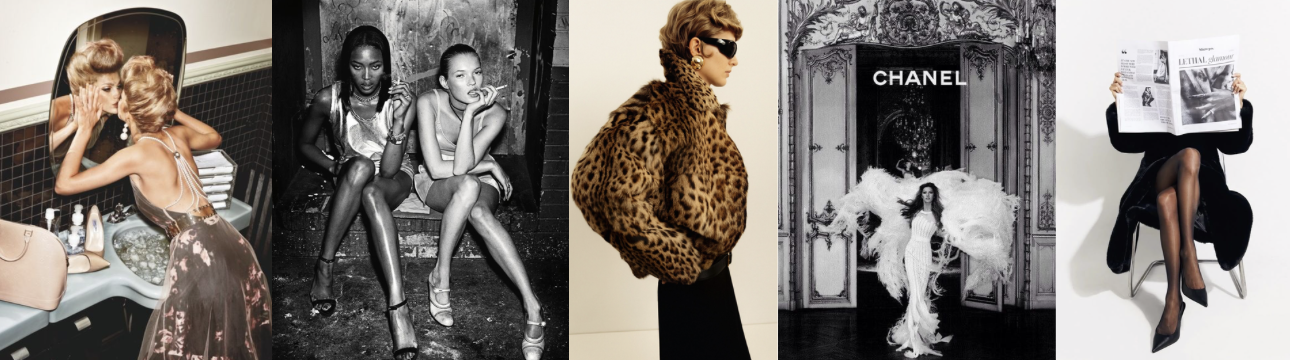
- Photo 1: c6b4df8d1408737efef2b712133c07f2.jpg
- Photo 2: f2d10f1a32f6581463f24179edb89f6d.jpg
- Photo 3: 389d792cd6c990c846b249c90092164a.jpg
- Photo 4: 6ccdf895492dd5ba9b283f549925db2d.jpg
- Photo 5:d5115659b979c0b305fbca8d73571b2e.jpg