How Gen Z Is Rewriting Fashion Rules

Fashion is entering a new era, one no longer dictated by legacy houses or traditional tastemakers, but by a generation raised on algorithms, aesthetics, and constant reinvention. Gen Z and Gen Alpha, collectively referred to as “Fashion’s Next Gen,” are projected to represent 40% of the US fashion market in the next decade.
What makes them different is not just their spending power, but their cultural authority. They influence not only their peers but also older generations, reshaping the entire fashion ecosystem.
Unlike previous consumers, Gen Z does not follow brands, they follow vibes, creators, and cultural relevance. Their shopping journey is fragmented, fast, and deeply influenced by social media and AI-driven discovery.
The Death of Brand Loyalty
For decades, fashion brands relied on loyalty. Today, that model is collapsing.
Gen Z shoppers are:
- Experimental rather than loyal
- Trend- and product-driven instead of brand-driven
- Constantly switching between aesthetics
They might wear vintage, luxury, and DIY pieces in the same outfit without hesitation.
The implication? Brands must earn attention constantly, not assume it.
Maximalism: The New Fashion Language
Minimalism is fading. In 2026, “more is more” is the dominant aesthetic.
Gen Z fashion is:
- Loud
- Layered
- Chaotic (but intentional)
- Nostalgic and futuristic at the same time
Think:
- Cyber Y2K + clowncore
- 90s nostalgia + AI-inspired accessories
- Thrifted + luxury mixed together
Fashion is no longer about looking “expensive", it’s about looking unique and expressive.
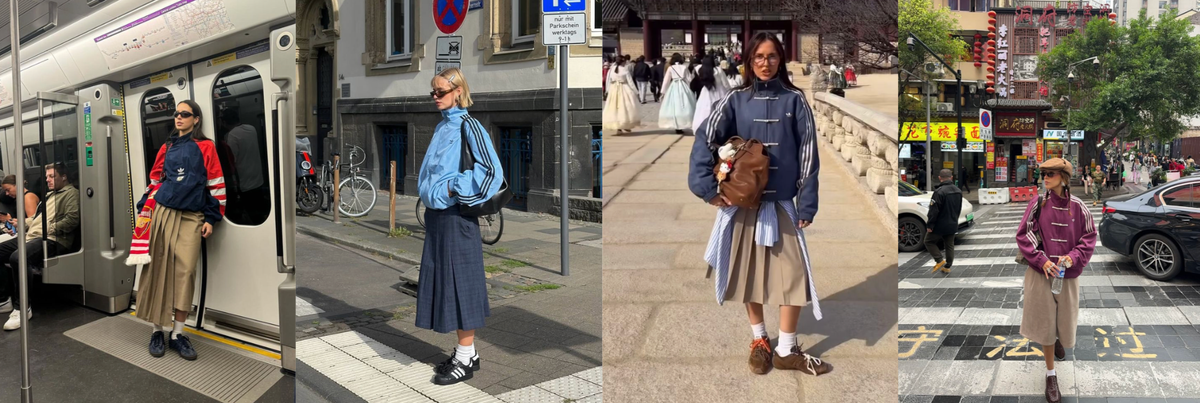
The New Layering Code
Gen Z has completely rewritten how winter fashion works.
Key Styling Trends:
- Hoodie + Denim Jacket → urban, utilitarian layering
- Puffer + Shirt + Tie → street meets corporate irony
- Knit + Graphic Tee → nostalgic skater aesthetic
- Crewneck + Lace Slip → soft vs rugged contrast
- Faux Fur + Cargo Pants → luxury meets utility
- Turtleneck + Blazer + Skirt → academic rebellion
The rule: no single statement piece, everything is a statement.
Sustainability & DIY Culture
Gen Z is not just consuming fashion, they are rebuilding it.
Key behaviors include:
- Shopping second-hand
- Upcycling clothes
- Customizing garments
- Supporting independent creators
Platforms like resale apps and social commerce spaces have become digital thrift stores, where uniqueness matters more than price.
For Gen Z, rarity = personalisation, not luxury.
Genderless & Political Fashion
Fashion is no longer just aesthetic, it’s ideological.
Gen Z embraces:
- Gender-fluid silhouettes
- Mixed masculine and feminine elements
- Clothing as political expression
Outfits can carry:
- Social messages
- Climate awareness
- Identity statements
Power dressing itself has evolved, from “dressing like a man” to dressing like yourself.
The Role of Social Media & AI
Discovery today happens through:
- TikTok
- Creator content
- AI-powered search
Brands are shifting from control to creator collaboration.
The rise of AI also means:
- Search behavior is changing
- Visibility depends on algorithms
- Trends move faster than ever
Fashion is now a real-time, digital conversation.
Where Brands Are Failing
Despite understanding trends, many brands still miss the mark.
Common mistakes:
- Surface-level TikTok marketing
- Chasing micro-trends without authenticity
- Ignoring sustainability commitments
- Treating Gen Z as a “trend” instead of a long-term force
Result: Gen Z quickly disengages, or cancels them.
The Limits & Challenges of Gen Z Fashion
While Gen Z is driving innovation, there are also downsides:
- Overconsumption paradox: fast trend cycles contradict sustainability values
- Trend fatigue: constant aesthetic shifts can feel overwhelming
- Algorithm dependence: creativity may be shaped by what performs online
- Exclusivity disguised as individuality: “being unique” can become its own pressure
The same system that empowers Gen Z can also trap them in cycles of constant reinvention.
The Future of Fashion
Gen Z is not waiting for trends, they are creating them in real time.
The future of fashion will be:
- Digital-first
- Creator-led
- Fluid in identity
- Driven by storytelling
Brands must adapt or risk becoming irrelevant.
My Thought
What fascinates me the most about Gen Z fashion is how it transforms clothing into a language of identity. It’s not just about looking good anymore, it’s about telling a story, making a statement, and sometimes even challenging society.
However, I also think there’s a contradiction: while Gen Z pushes for sustainability and individuality, the speed of trends can create pressure to constantly reinvent yourself.
For me, the most interesting future of fashion lies in finding a balance. Keeping that creativity and freedom, while slowing down enough to make it meaningful.
See you in the next one,
Eden
Resources:
- BCG: how-gen-z-gen-alpha-rewiring-fashion-industry
- Vogue: how-gen-z-is-rewriting-winter-dressing-rule
- Instituto Marangoni : gen-z-maximalism-fashion-2026
- Cosmopolitan: how-gen-z-is-rewriting-the-rules-of-power-dressing-in-2025-1291184-2025-10-17
Photos