Gabriela Hearst and Sustainability

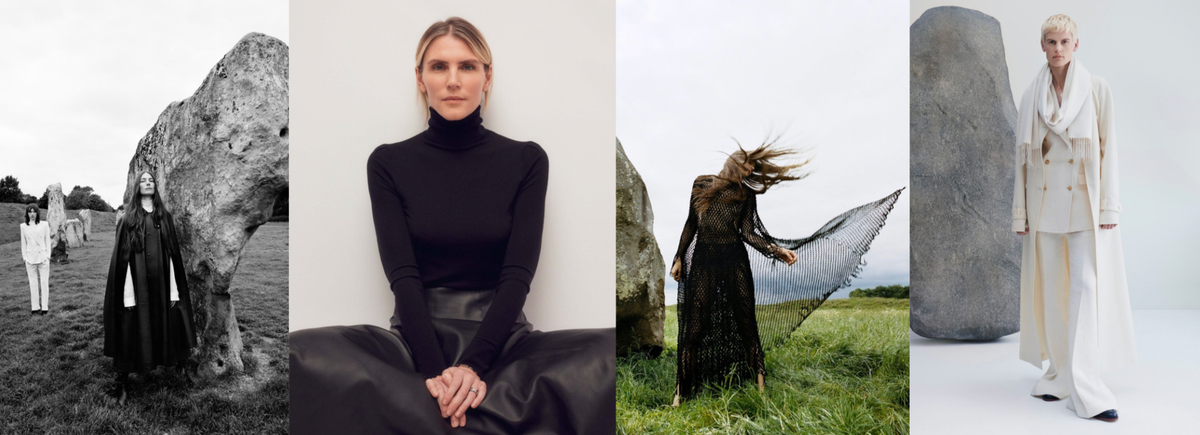
In an industry often driven by trends and spectacle, Gabriela Hearst has built a radically different vision. One where sustainability is not an accessory, but the foundation of luxury itself.
Rather than treating “eco-consciousness” as marketing, she has embedded it into every layer of her brand—from materials and production to storytelling and business strategy. The result? A label that commands prestige, scarcity, and cultural relevance while reshaping what high fashion means today.
Redefining Luxury Through Longevity
Hearst’s philosophy is simple yet disruptive: true luxury should last.
Instead of seasonal novelty, she focuses on:
- durability
- repairability
- emotional value
Her collections prioritise timeless design and high-quality materials, reframing price as an investment rather than a status symbol. Sustainability becomes synonymous with excellence, justifying high costs through craftsmanship and long-term value, not hype.
Scarcity as Strategy, Not Limitation
One of Hearst’s smartest moves was turning limited production into desirability.
Her iconic Nina bag, for example:
- was not sold online traditionally
- required direct contact with the brand
- created waiting lists
This approach transformed scarcity into:
- free marketing
- exclusivity
- emotional connection
Rather than scaling rapidly, Hearst embraces slow growth, protecting both her brand identity and ethical commitments.
Activism at the Core of the Brand
Unlike brands that treat sustainability as a side note, Hearst makes it the main narrative.
Her work connects fashion to global issues such as:
- climate change
- energy transition
- social responsibility
She has even brought these themes into runway shows and public discussions, participating in global conversations like climate conferences.
Her background, growing up on a ranch in Uruguay, deeply influences her vision, grounding her approach in real environmental awareness rather than abstract branding.
Turning Transparency Into a Luxury Experience
Hearst innovates not only in design but in how information is shared.
Through partnerships like EON, her garments can include digital IDs that:
- track supply chains
- provide production transparency
- extend product lifecycle awareness
This transforms technical infrastructure into, a storytelling tool, a trust-building mechanism
Instead of asking consumers to believe in sustainability, she shows it.
Materials, Craftsmanship, and Regenerative Thinking
Her material choices reflect a deep commitment to environmental responsibility:
- Merino wool from ethical farms
- Organic cotton and linen
- Undyed cashmere
- Deadstock and recycled fabrics
- Innovative materials like mushroom-based leather
She also supports:
- artisan communities
- traditional craftsmanship
- regenerative agriculture
The result is fashion that is not only sustainable but culturally and materially rich.
Business Performance Meets Purpose
Hearst proves that sustainability can drive success:
- Up to 80% recycled or upcycled materials in collections
- Increased brand perception among affluent consumers
- Extended garment lifespan by 50–75%
- At Chloé:
- 25% emissions reduction
- 65% revenue growth during her tenure
Consumers are also increasingly willing to pay more for verified sustainability, turning ethics into a competitive advantage.
Purpose-Driven Product Launches
Hearst connects products to real-world impact.
Examples include:
- bags tied to famine relief efforts
- collections supporting climate awareness
This strategy transforms purchases into acts of participation and visible contributions.
It also avoids the “empty sustainability” trap by linking messaging to measurable outcomes.
The Limits and Criticism of “Sustainable Luxury”
Despite her achievements, Hearst’s model raises important questions:
- Accessibility Problem
- High prices limit access to wealthy consumers
- Sustainability risks becoming elitist
- Scale vs Impact
- Small-scale production may not significantly reduce global fashion emissions
- Hard to replicate across mass-market brands
- Transparency vs Reality
- Most consumers don’t verify sustainability claims
- Risk of perceived transparency vs actual accountability
- Luxury Contradiction
- Can luxury (which relies on exclusivity and consumption) ever be fully sustainable?
These limitations highlight a broader tension. Is sustainable fashion a solution, or a niche within the problem?
What Emerging Brands Can Learn
Hearst’s strategy offers key lessons:
- Sell sustainability as quality, not sacrifice
- Use scarcity as a value signal
- Make activism the core narrative
- Turn transparency into content
- Link products to real impact
Especially for emerging markets, this approach can transform ethical practices into strong brand positioning.
Conclusion
Gabriela Hearst’s true innovation is consistency.
She didn’t just launch a sustainable collection, she built an entire system around it and communicated it clearly over time.
Her work suggests that the future of luxury lies not in excess, but in intention, traceability, and meaning.
My Thought
What I find most interesting about Gabriela Hearst is that she doesn’t try to make sustainability “cool”, she makes it normal.
But at the same time, I think her model shows a contradiction in fashion today: sustainability is often only fully achievable at the highest level of luxury.
So the real question is, how do we make this mindset accessible to everyone, not just a niche audience?
For me, the future of fashion isn’t just about better materials, it’s about changing how people value clothes.
Resources:
- Smart Fashion: honest-luxury-how-gabriela-hearst-turned-sustainability-into-a-competitive-advantage-in-high-fashion
- Selvane: gabriela-hearst-sustainability-as-luxury-design-principle
- National Geographic : gabriela-hearst-nat-geo-33-2025
- Gabriela Hearst
Photos: