Phoebe Philo, The Quiet Force That Redefined How Women Dress

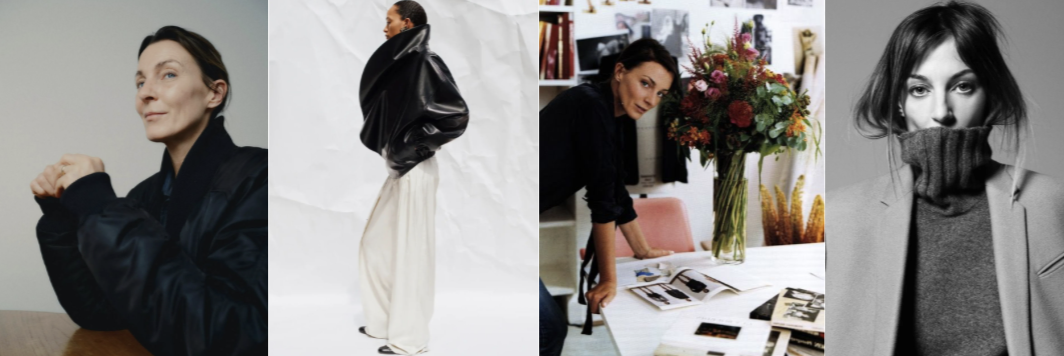
Few designers have reshaped modern fashion as profoundly as Phoebe Philo. Through her work at Chloé and especially Céline, she shifted fashion away from spectacle and toward intelligence, quality, and lived reality. Her legacy lies not in trends, but in a new philosophy of dressing, one rooted in confidence, function, and intention.
The Quiet Revolution, From Chloé to Céline
Before Philo’s rise, early 2000s fashion was dominated by excess: hyper-sexualisation, logo-mania, and clothing designed for visibility rather than reality.
At Chloé, Philo introduced a softer alternative:
- Effortless femininity
- Wearable silhouettes
- Iconic pieces like the Paddington bag
But it was her arrival at Céline in 2008 that changed everything.
With no strong modern identity, Céline became her blank canvas. Instead of chasing trends, she built a new fashion language:
- Impeccable tailoring
- Elevated essentials
- Timeless over seasonal
She didn’t disrupt loudly, she recalibrated quietly.
The Céline Era
Under Philo, Céline became a sanctuary for women seeking:
- Strength without aggression
- Elegance without effort
- Luxury without noise
Key signatures included:
- Wide-leg trousers
- Oversized coats
- Sculptural silhouettes
- Neutral palettes with precise color accents
Accessories became cultural phenomena:
- Luggage Tote
- Box Bag
- Cabas
These weren’t just fashion items, they were tools for modern life.
Her philosophy was clear: Clothes should serve women, not perform for others.
The Female Gaze
Philo’s work is deeply tied to the concept of the female gaze.
In an industry still largely shaped by male designers, she designed:
- For comfort (shoes you can walk in)
- For function (pockets, movement)
- For real bodies and real lives
Rather than objectifying women, she empowered them.
Her clothes didn’t ask:
“How do you look?”
They asked:
“How do you feel?”
This shift redefined femininity:
- Less performative
- More intellectual
- Deeply personal
Aesthetic Philosophy
Philo’s design language can be defined in three words:
Form. Function. Feeling.
Her work emphasized:
- Luxurious materials (cashmere, silk, leather)
- Architectural silhouettes
- Subtle detailing
Nothing was excessive. Everything had purpose.
Even minimal pieces carried emotional weight:
- A coat felt protective
- A knit felt grounding
- A bag felt empowering
This is what made her work timeless, not minimalism, but meaningful minimalism.
Cultural Impact
The “Philo woman” became a cultural archetype:
- Independent
- Intellectual
- Self-assured
She dressed for herself, not for validation.
Philo’s influence extended far beyond runways:
- Inspired “normcore” and elevated basics
- Shifted street style globally
- Influenced a new generation of designers
Even after her departure, her Céline pieces became collector’s items.
6. After Céline: Absence, Shift, and Return
When Philo left Céline in 2018, the industry felt it immediately.
Under Hedi Slimane:
- The brand shifted toward a more traditional, male-gaze aesthetic
- Critics noted a return to hyper-sexualisation
This contrast highlighted what Philo had built, and what was lost.
Her return with her independent label, backed by LVMH, reflects:
- A demand for authenticity
- A rejection of fast fashion cycles
- A desire for meaning in clothing
The Other Side of the Legacy
Despite her influence, Philo’s work is not without criticism:
- 1.Accessibility
- High price points limit her designs to an elite audience
- Raises questions about who “empowered fashion” is truly for
- 2. Minimalism Saturation
- Her aesthetic inspired mass-market imitation
- Resulted in diluted versions lacking quality and depth
- 3. Idealized “Effortlessness”
- The “effortless woman” can still be an idealized figure
- Not always inclusive of all identities or lifestyles
These limits are important, they remind us that even revolutionary visions exist within constraints.
Philosophy of Dressing
At its core, Philo’s legacy is philosophical:
She reframed fashion as:
- A tool for living
- A reflection of values
- A form of quiet power
Her message:
Style is not about being seen, it’s about being yourself.
My Thought
What makes Phoebe Philo so fascinating is not just her design, but her mindset.
In a world obsessed with visibility, she made invisibility powerful. In an industry driven by speed, she slowed things down.
Personally, I think her greatest achievement is this. She gave women permission to stop performing.
But at the same time, her work raises an important question. Can fashion truly be empowering if it remains inaccessible?
Her legacy is inspiring, but also incomplete. And maybe that’s exactly why it still matters today.
Resources:
- Selvane : phoebe-philo-the-designer-who-changed-how-women-dress
- The Gentle Woman: phoebe-philo
- Varsity: 21822
- Elle: phoebe-philo-timeline
- WWD: review
Photos: