The Rise of Fashion Exhibitions

If you’ve recently taken the Paris metro, you may have noticed a striking poster: a woman draped in a golden glow, wearing a majestic dress and veil. It promotes Du Cœur à la Main: Dolce & Gabbana at the Grand Palais.
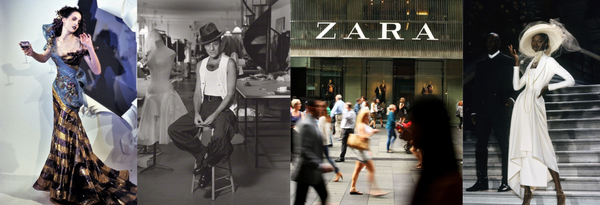
This isn’t an isolated case. Fashion exhibitions are everywhere. From the Louvre announcing couture-focused events to exhibitions like Iris van Herpen: Sculpting the Senses, museums are increasingly embracing fashion.
This raises a question: why is fashion becoming one of the most successful themes in museums today?
The Power of Archives
The rise of fashion exhibitions begins with one essential element: archives.
Today, almost every haute couture house preserves its creations, clothing, accessories, sketches. These archives:
- Legitimize the brand’s history
- Preserve its identity across artistic directors
- Provide endless inspiration for future collections
As Karl Lagerfeld once said, fashion houses rely on continuity, even when reinventing themselves.
Interestingly, this practice wasn’t always common. Before the 1980s:
- Garments were often sold or gifted
- Very little was preserved
Designers like Yves Saint Laurent were pioneers in archiving. Today, his foundation holds:
- 7,000 garments
- 30,000 accessories
Without these archives, modern fashion exhibitions simply wouldn’t exist.
Storytelling Made Easy
Museums rely heavily on storytelling, and fashion makes it easier.
Why? Because designers are not just creators, they are icons.
Names like:
- Karl Lagerfeld
- Yves Saint Laurent
- Coco Chanel
- Vivienne Westwood
…are instantly recognizable, even to people outside the fashion world.
This creates:
- Immediate emotional connection
- Built-in audience interest
- Strong narrative potential
Unlike traditional art, fashion exhibitions can center on:
- A personality
- A lifestyle
- A creative vision
For museums facing reduced funding and strong competition, fashion becomes a “safe” and attractive choice.
Accessibility
One of fashion’s biggest strengths is its accessibility.
Unlike classical art:
- Everyone wears clothes
- Everyone has opinions about style
Visitors can easily relate:
- “Would I wear this?”
- “How would I feel in that dress?”
Fashion also reflects society:
- Gender identity
- Women’s liberation
- Cultural shifts
This makes exhibitions:
- Less intimidating
- More inclusive
- More appealing to non-traditional museum audiences
The Turning Point
A key moment in this rise was Alexander McQueen: Savage Beauty.
This exhibition:
- Attracted over 660,000 visitors in New York
- Became a global cultural phenomenon
It changed how museums approach fashion by introducing:
- Immersive scenography
- Emotional storytelling
- Cinematic experiences
It proved that fashion exhibitions could be:
- Profitable
- Popular
- Critically acclaimed
Aesthetic Experiences & Social Media Power
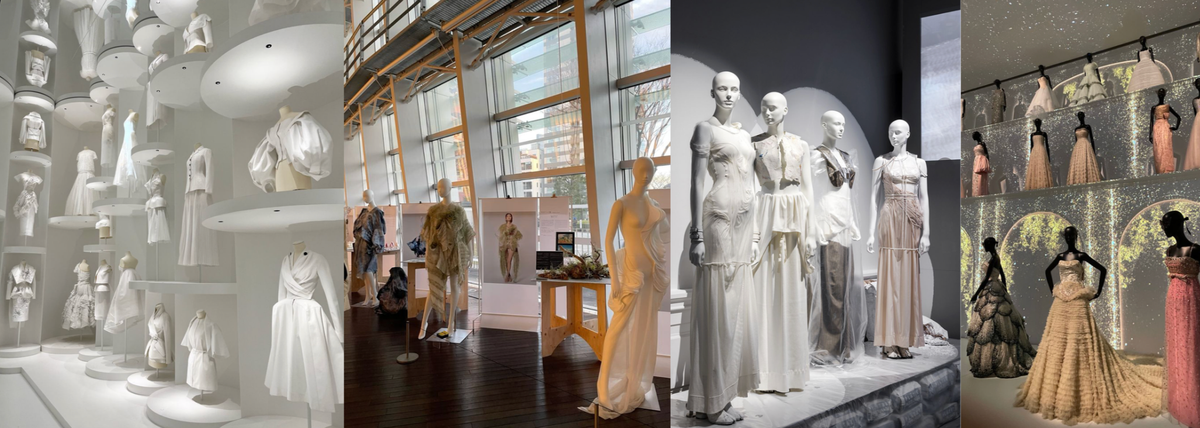
Today, exhibitions are not just informative, they are visual experiences.
Fashion exhibitions stand out through:
- Dramatic lighting
- Creative scenography
- Dynamic presentation
This makes them perfect for social media.
Platforms like Instagram:
- Amplify visibility
- Create viral trends
- Attract younger audiences
Visitors don’t just attend, they:
- Take photos
- Share content
- Promote exhibitions organically
A Strategic Tool for Brands and Museums
Fashion exhibitions are also strategic collaborations.
For brands:
- They showcase heritage
- Strengthen identity
- Reach new audiences
For museums:
- They attract visitors
- Generate revenue
- Stay culturally relevant
Exhibitions act as a form of “slow marketing”, allowing brands to tell deeper stories than runway shows or social media posts.
7. The Limits: Is Fashion Taking Over Too Much?
Despite their success, fashion exhibitions raise important concerns.
- 1. Commercialization of Museums
- Brand sponsorships may influence content
- Exhibitions risk becoming marketing tools
- 2. Superficial Engagement
- Visitors may focus more on photos than learning
- Social media can reduce depth of experience
- 3. Loss of Critical Perspective
- Some exhibitions lack historical or analytical depth
- Risk of “beautiful but empty” displays
- 4. Competition with Fine Art
- Traditional art exhibitions may receive less attention
- Museums might prioritise profitability over diversity
These limitations highlight the need for balance between entertainment and education.
Conclusion
Fashion exhibitions are no longer a trend, they are a major transformation in the museum world.
Their success is driven by:
- Strong storytelling
- Accessibility
- Social media visibility
- Brand collaboration
- Archival richness
They attract new audiences and redefine what museums can be.
My Thought
Personally, I find this evoluion fascinating. Fashion exhibitions make museums more inclusive and engaging, especially for younger generations who might feel disconnected from traditional art.
However, I also think it’s important not to lose the educational and cultural depth that museums represent. If exhibitions become too focused on aesthetics or social media appeal, they risk losing their true purpose.
That being said, if fashion can bring people into museums, spark curiosity, and make culture more accessible, then it’s definitely a positive change. The key is finding the right balance between beauty, storytelling, and knowledge.
Resources:
- Culture Audencia: the-rise-of-fashion-exhibitions-why-museums-are-embracing-couture
- In Style: museum-exhibit-fashion-trend-11826941
- Dazed: are-we-witnessing-the-golden-age-of-fashion-exhibitions
- Forbes: the-growing-popularity-of-fashion-exhibitions
Photos: