Craftsmanship Comeback in Fashion

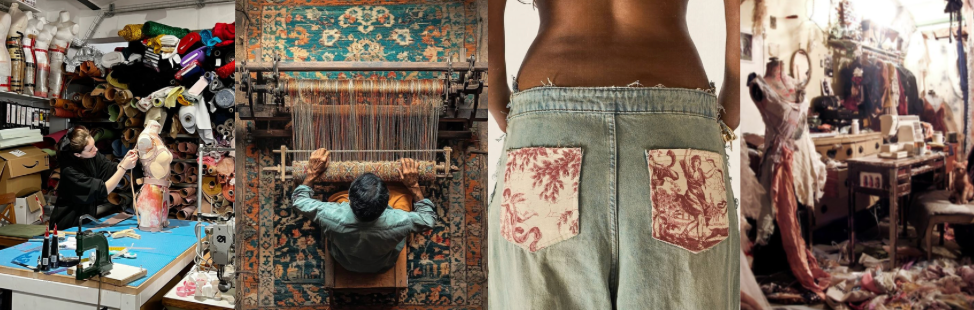
In a world driven by speed, automation, and mass production, craftsmanship is making a powerful return. Handmade techniques such as embroidery, weaving, and tailoring are no longer seen as outdated, they are becoming the new definition of luxury.
Today, luxury is no longer just about price or brand name. It is about authenticity, uniqueness, and human connection. A handcrafted piece carries a story, a cultural identity, and the mark of the artisan behind it. Each imperfection becomes a sign of individuality rather than a flaw.
Changing Consumer Values
One of the main reasons behind this revival is a shift in consumer behavior.
Younger generations, especially Gen Z and millennials, are moving away from fast fashion. They now see clothing as a way to express their identity and values. Mass-produced garments often lack emotional meaning, while handmade pieces offer:
- A story behind the product
- Cultural significance
- A sense of exclusivity
- A deeper emotional connection
Fashion is no longer just about appearance, it’s about meaning and identity.
The Role of Luxury Brands
Major fashion houses have quickly adapted to this shift. Instead of relying solely on industrial production, they are collaborating with artisans around the world.
These collaborations include:
- Embroidery techniques from India
- Textile traditions from Latin America
- Beadwork and craftsmanship from Africa and Southeast Asia
These partnerships allow brands to:
- Preserve endangered crafts
- Provide artisans with stable income
- Bring traditional techniques to a global audience
At the same time, craftsmanship is being reimagined. Designers are blending traditional skills with modern innovation, proving that craft is not “old-fashioned” but full of creative possibilities.
Craftsmanship and Sustainability
Craftsmanship also aligns strongly with the growing demand for sustainability.
Unlike fast fashion, handmade production:
- Uses less energy
- Often relies on natural materials and dyes
- Produces less waste
- Encourages slower consumption
Handcrafted garments are designed to last, both physically and emotionally. Instead of being worn a few times and discarded, they are kept, repaired, and valued over time.
This reflects a broader shift toward slow fashion, where quality is prioritized over quantity.
The Digital Revolution Helping Craft
Technology, surprisingly, is playing a major role in the revival of craftsmanship.
Platforms like Instagram, Etsy, and online marketplaces allow artisans to:
- Reach global audiences
- Share their creative process
- Build direct relationships with customers
Social media has turned craftsmanship into storytelling. Consumers can now see who made their clothes and how they were created, increasing transparency and trust.
Education and the New Generation of Artisans
Fashion schools and institutions are also adapting. Many now combine traditional craftsmanship with modern design and business skills.
Students are:
- Learning artisanal techniques
- Collaborating with craftspeople
- Creating innovative interpretations of heritage
At the same time, major fashion groups are investing in training programs and craft schools to pass down skills to future generations.
The Limits and Challenges of Craftsmanship
Despite its comeback, craftsmanship faces several important challenges:
- 1. Accessibility and Price
- Handmade products are often more expensive due to the time and skill required. This makes them less accessible to a wider audience.
- 2. Declining Workforce
- Many skilled artisans are aging, and fewer young people choose these careers due to:
- Low initial pay
- Long training periods
- Lack of visibility
- 3. Risk of Cultural Exploitation
- When global brands collaborate with artisans, there is a risk of:
- Cultural appropriation
- Unequal profit distribution
- Loss of authenticity
- 4. Scaling Difficulties
- Craftsmanship cannot be easily mass-produced. This limits production capacity and makes it difficult to meet global demand without compromising quality.
A Cultural Shift Toward Slower Living
The return of craftsmanship reflects something bigger than fashion.
It shows a desire for:
- Slower lifestyles
- More mindful consumption
- A reconnection with human creativity
In contrast to fast fashion’s speed and disposability, craftsmanship offers patience, intention, and meaning.
Conclusion
Craftsmanship is no longer a niche, it is shaping the future of fashion. While technology and innovation continue to evolve, the industry is rediscovering the value of human skill and tradition.
The future of fashion will not be defined by speed alone, but by the balance between innovation and heritage, efficiency and artistry.
My Thought
Personally, I think this comeback of craftsmanship is not just a trend, it’s a necessary evolution. Fashion has gone too far into mass production, losing its emotional and cultural value. Craftsmanship brings back something essential: a connection between people, culture, and creativity.
However, I also believe that for this movement to truly succeed, it needs to become more accessible and ethical. Supporting artisans should not only be a marketing strategy for big brands, it should be a real commitment.
In the end, craftsmanship reminds us that fashion is not just something we wear. It’s something we feel, understand, and respect.
Resources:
- BLS: why-craftsmanship-is-making-a-comeback-in-global-fashion
- tatvamasi: the-return-of-craftsmanship-why-handmade-is-the-future-of-fashion
- Bazzar: fashion-craft-spring-2024
Photos