The Art of Pleating

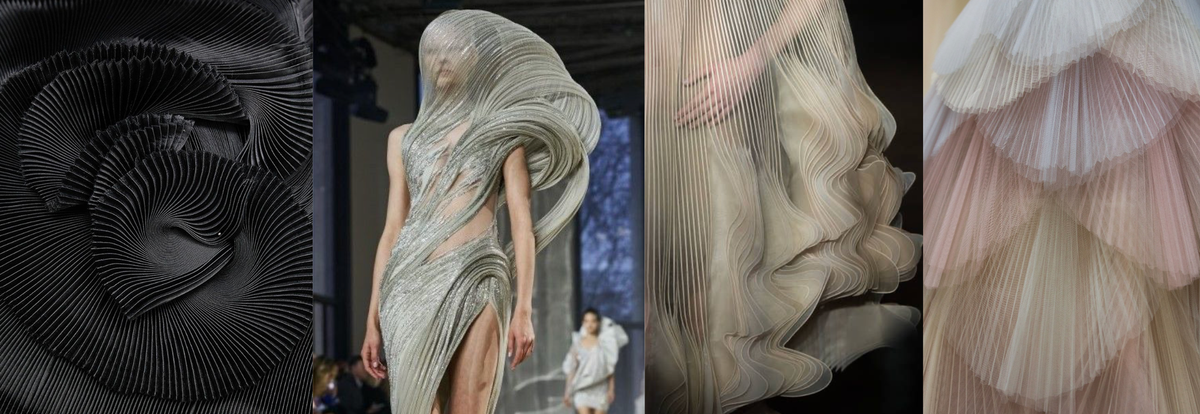
When you browse your wardrobe or scroll through an online catalogue, it’s easy to overlook the history behind each garment. Yet, every piece carries a story shaped by innovation, craftsmanship, and cultural evolution.
Pleated fabric is one of the most fascinating examples. Behind its elegant folds lies a technique that has evolved across centuries, balancing artistry, science, and tradition.
The Origins of Pleating
Pleating dates back to Ancient Egypt, where it was used to decorate the garments of the elite. Created from natural fibres like linen, silk, or cotton, pleats were entirely handmade. However, they disappeared after washing, requiring the process to be repeated each time.
This labor-intensive technique made pleated garments a symbol of wealth and power.
Centuries later, pleats became prominent in Elizabethan England, especially in the form of ruffs, intricate pleated collars worn by figures such as Queen Elizabeth I. These delicate pieces were so fragile they were often worn only once.
Pleating also appeared in other cultures. The Greek fustanella, still worn today by ceremonial guards, reflects a long history dating back to the 3rd century BC, showing how pleats transcended borders and meanings.
Innovation in the 20th Century
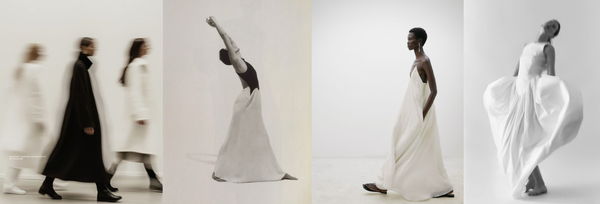
The early 1900s marked a revolution in pleating, led by Spanish designer Mariano Fortuny. His iconic Delphos dressredefined the relationship between fabric and the body.
Inspired by ancient Greek sculptures, the dress featured:
- Extremely fine pleats (up to 450 folds per panel)
- Silk fabric that adapted to the body’s natural shape
- A fluid, sculptural silhouette
Despite its innovation, Fortuny’s technique remains largely undisclosed, adding to its mystique.
Modern Pleating
After World War II, pleating evolved with the invention of synthetic fibres like polyester and nylon. These materials allowed the development of permanent pleats, which retain their shape even after washing.
Today, pleating combines:
- Heat treatments for durability
- Machines for mass production
- Handcrafted techniques for haute couture
Luxury houses and ateliers continue to preserve traditional methods. Workshops like those acquired by Chanel under Paraffection ensure that artisanal knowledge survives in a modern industry.
The Craft of Pleating
There are three main pleating methods:
- 1. Hand Pleating
- A meticulous, time-consuming process allowing maximum creativity and uniqueness.
- 2. Pattern Pleating
- Fabric is folded using templates or molds to create consistent designs.
- 3. Machine Pleating
- Efficient and scalable, enabling mass production while maintaining precision.
Each technique affects:
- Volume and movement
- Texture and structure
- How patterns and colors appear once folded
For example, pleating can amplify or distort prints, making fabric selection crucial.
Contemporary Innovation
In the late 20th century, Japanese designer Issey Miyake transformed pleating once again.
His innovation, garment pleating, involved:
- Sewing garments first
- Then applying pleats using heat and pressure
This technique resulted in:
- Lightweight, wrinkle-resistant clothing
- Flexible garments that move with the body
- Practical fashion designed for everyday life
His line PLEATS PLEASE reflects a philosophy where design serves function as much as aesthetics.
Learning the Craft
At Fashion schools, pleating is taught as both a technical and creative discipline.
Students:
- Learn draping techniques using mannequins
- Mark precise reference points on fabric
- Experiment with volume and form
The process is demanding. Aligning seams while maintaining harmonious pleats requires precision and patience.
Yet, this challenge fosters:
- Creativity
- Technical mastery
- A deeper understanding of fabric behavior
The Limits of Pleating
Despite its beauty, pleating has limitations:
- Fragility (historically): Early pleats disappeared after washing
- Time-intensive processes: Hand pleating remains slow and costly
- Material constraints: Not all fabrics respond well to pleating
- Environmental concerns: Synthetic fibres used for permanent pleats raise sustainability issues
- Loss of craftsmanship: Industrialization threatens traditional artisanal knowledge
These challenges highlight the tension between efficiency and authenticity in modern fashion.
Conclusion
Pleating is more than a decorative technique, it is a dialogue between past and present, craft and technology, structure and movement.
From ancient Egyptian tunics to contemporary haute couture, its evolution reflects the changing relationship between clothing, identity, and innovation.
My Thought
What fascinates me most about pleating is how something so delicate can carry such a powerful history. It represents a perfect balance between control and freedom, where fabric is carefully structured, yet still allowed to move and adapt to the body.
In a world driven by fast fashion, pleating reminds us of the value of time, craftsmanship, and intention. It’s not just about how a garment looks, but about the story it holds and the hands that shaped it.
Resources:
- Cost Wold Collection: the-art-of-pleating
- Design Boom: unfolding-art-pleating-history-techniques-fashion-05-09-2021
- IFA, Paris: art-of-pleating-fashion-student-experience
Photos: