London Fashion Week

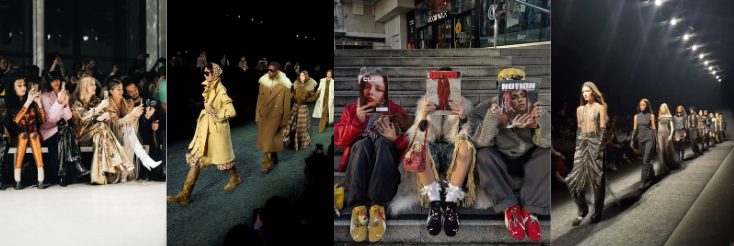
Since its beginnings in 1984, London Fashion Week has grown into one of the most influential fashion events in the world. Organized by the British Fashion Council, it takes place twice a year and stands alongside New York Fashion Week, Paris Fashion Week, and Milan Fashion Week as part of the “Big Four.”
What started in a simple car park at the Commonwealth Institute has transformed into a global spectacle attracting over 5,000 press and buyers, generating more than £100 million in orders each season.
A History of Constant Reinvention
London Fashion Week has never stopped evolving. From iconic venues like Somerset House to 180 The Strand, each location reflects London’s creative identity.
The event has also been a pioneer in innovation:
- First to live-stream shows in 2010
- Early adopter of “see now, buy now” fashion
- Transitioned to a hybrid digital format after COVID-19
This adaptability has kept London at the forefront of fashion and technology.
A Platform for Emerging Talent
London Fashion Week is known as a launchpad for creativity. Designers like Alexander McQueen, John Galliano, and Stella McCartney all began their journeys here.
Graduate shows run alongside major brands, offering young designers a rare opportunity to gain global exposure. This openness makes London one of the most experimental and daring fashion capitals.
Sustainability at the Core
London has become a leader in ethical fashion.
- In 2018, it became the first major fashion week to go fur-free
- From 2025, exotic animal skins will be banned
- Designers like Vivienne Westwood and Stella McCartney promote sustainability through their work
Brands such as Burberry have committed to carbon neutrality and sustainable collections.
This reflects a growing shift toward responsible luxury and environmental awareness.
The Rise of Accessibility
Traditionally exclusive, fashion week has become more accessible thanks to initiatives like the London Fashion Week Festival.
This event allows the public to:
- Attend shows
- Shop designer pieces
- Participate in talks and experiences
London has also embraced gender-neutral fashion, merging menswear and womenswear platforms to reflect modern identities.
Economic and Cultural Impact
London Fashion Week is not just about style, it’s a major economic driver:
- Generates over £130 million annually
- Attracts global media and buyers
- Boosts tourism and creative industries
It positions London as a cultural and commercial fashion hub.
Limits and Criticism
Despite its success, London Fashion Week faces important challenges:
- Environmental Concerns
- Even with sustainability efforts, fashion shows still involve:
- Travel emissions
- Waste from production
- Fast fashion influence
- Exclusivity vs Accessibility
- Although progress has been made, the industry can still feel:
- Elitist
- Difficult to access for smaller designers without funding
- Commercial Pressure
- Emerging designers may face pressure to:
- Become profitable quickly
- Compromise creativity for market demands
These limits show that while fashion evolves, it still needs deeper structural change.
My Thought
To me, London Fashion Week represents more than fashion, it’s a reflection of society. I find it fascinating how it blends creativity, culture, and innovation while also addressing important issues like sustainability and inclusivity.
However, I think its biggest challenge is balancing creativity with responsibility. Fashion should inspire, but it should also respect the world we live in. London seems to be moving in the right direction, but there is still a long way to go.
Resources:
- Istituto Marangoni: london-fashion-week-history-evolution-1
- Wikipedia: London_Fashion_Week
- Proportion London: 5-facts-about-london-fashion-week-that-you-didnt-know
Photos: