Creative Director

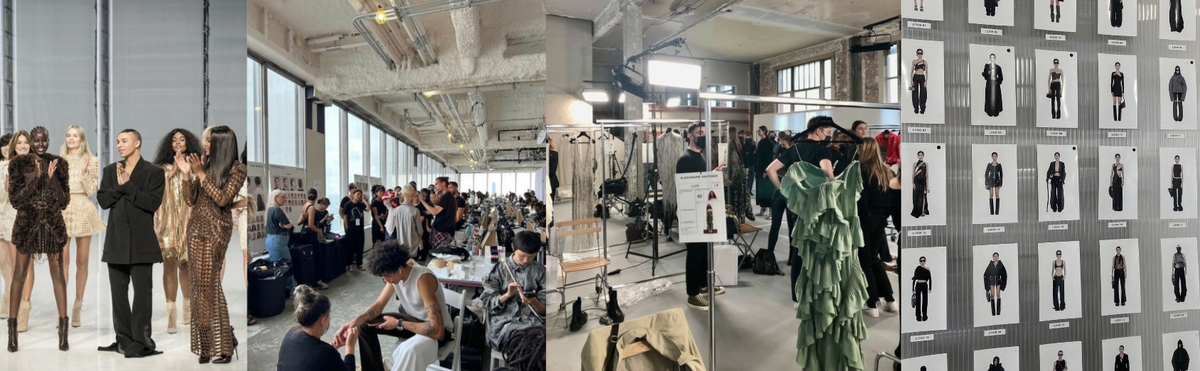
The role of the creative director is one of the most influential positions in creative industries such as fashion, advertising, film, music, and video games. While designers, artists, and creators produce the final works, the creative director is the person who defines the vision behind them. They guide teams, shape brand identities, and transform ideas into coherent creative projects.
Today, creative directors play a crucial role in shaping how audiences experience products, brands, and artistic works. From fashion collections to advertising campaigns and video games, their decisions determine the overall look, message, and direction of a project.
What Is a Creative Director?
A creative director is responsible for making high-level creative decisions and overseeing the development of creative assets such as advertisements, products, events, campaigns, or brand identities.
Rather than executing every design themselves, they guide a team of creatives including designers, copywriters, photographers, and filmmakers to ensure that all work aligns with a clear vision.
Their responsibilities often include:
- Developing the concept and overall creative direction of a project
- Supervising the work of designers, artists, and creative teams
- Leading brainstorming sessions and developing ideas
- Ensuring consistency in brand identity and storytelling
- Translating creative ideas into clear instructions for teams
- Managing projects and deadlines
Creative directors are often described as the bridge between creativity and strategy. They combine artistic vision with leadership and business understanding to ensure that creative projects are both innovative and effective.
Creative Directors Across Different Industries
Although the core responsibilities are similar, the role of a creative director varies depending on the industry.
- Advertising
- In advertising, the creative director develops marketing campaigns and promotional strategies for brands or clients.
- They oversee the entire creative process, from the first concept to the final campaign. Their work often involves collaborating with marketing teams, copywriters, graphic designers, and filmmakers.
- Typical responsibilities include:
- Creating advertising concepts and campaign ideas
- Writing or supervising advertising copy
- Planning visual layouts and campaign timelines
- Managing creative teams and ensuring deadlines are met
- Most advertising creative directors begin their careers as copywriters or art directors, gradually gaining experience before reaching leadership positions.
- Film
- In film production, the equivalent role to creative director is usually the production designer.
- This person is responsible for the visual identity of a movie, including sets, props, and the overall aesthetic.
- Production designers:
- Design the visual atmosphere of the film
- Coordinate the art department
- Manage budgets for sets and visual elements
- Ensure the director’s vision is translated visually
- They often start their careers in lower positions such as assistants or draftsmen before becoming production designers.
- Music
- Creative directors in the music industry supervise the artistic direction of performances, recordings, and visual projects.
- Their role may involve:
- Guiding musicians and artistic teams
- Developing concert concepts or visual identities
- Overseeing music videos and artistic presentations
- A strong understanding of music theory, composition, and performance is often required.
- Fashion
- In fashion, the creative director is the highest creative authority in a fashion house.
- They define the brand’s aesthetic and storytelling while leading teams of designers who create the garments.
- Their responsibilities include:
- Defining the concept of each collection
- Ensuring consistency with the brand’s identity
- Supervising runway shows, campaigns, and collaborations
- Overseeing the entire creative universe of the brand
- While designers create the clothes, the creative director defines the vision behind them.
- Modern creative directors also work on branding, social media, and collaborations, making the role much broader than in the past.
The Role of the Art Director
The art director works closely with the creative director but focuses specifically on visual execution.
Their responsibilities include:
- Managing visual outputs such as magazines, campaigns, or lookbooks
- Translating creative concepts into visual design
- Collaborating with photographers, stylists, and graphic designers
While the creative director sets the vision, the art director ensures that the visuals successfully bring that vision to life.
Skills Needed to Become a Creative Director
Becoming a creative director requires a wide range of skills combining creativity, leadership, and strategic thinking.
Key skills include:
- Creative Vision
- A creative director must be able to imagine new concepts and create a strong narrative around a brand or project.
- Communication
- They must translate complex ideas into clear instructions for large teams.
- Leadership
- Managing creative teams requires strong leadership and the ability to inspire others.
- Business Understanding
- Creative directors must understand marketing, consumer behavior, and brand positioning to ensure their ideas resonate with audiences.
- Cultural Awareness
- Successful creative directors constantly draw inspiration from art, cinema, music, and culture.
As fashion creative director Felipe Oliveira Baptista explains:
“Drink as much culture as you can… the wider your knowledge in creative fields, the bigger your playground to create.”
How to Become a Creative Director
Becoming a creative director usually takes many years.
Most professionals follow a career path similar to this:
- Internship or assistant position
- Junior designer or creative role
- Senior designer or project leader
- Creative director
In fashion, for example, designers often need 10 years or more of experience before reaching this position.
Many famous designers began as assistants. Karl Lagerfeld started as an assistant to Pierre Balmain before becoming the artistic director of Chanel decades later.
However, there are exceptions. Olivier Rousteing became the creative director of Balmain at just 24 years old.
The Challenges and Limits of the Role
Despite its prestige, the creative director role also comes with significant challenges.
- High Pressure
- Creative directors are responsible for the success of collections, campaigns, or projects. If the public response is negative, they often receive the blame.
- Instability
- In the fashion industry especially, creative directors are sometimes replaced quickly if collections fail to perform.
- This constant turnover has been described as “fashion’s musical chairs.”
- Balancing Creativity and Business
- Creative directors must satisfy both artistic ambitions and commercial expectations.
- If they push creativity too far, they risk losing customers. If they focus too much on sales, they may lose artistic credibility.
- Leadership Challenges
- Introducing a strong creative vision can sometimes create tension within teams or organisations.
Why Creative Directors Are So Important Today
In today’s digital world, brands need more than products, they need stories and identities.
Creative directors help companies:
- create strong brand narratives
- connect emotionally with consumers
- stand out in competitive markets
Their influence can even define an entire brand. For example, some designers become almost inseparable from the fashion houses they lead.
My Thought
Personally, I find the role of creative director fascinating because it combines creativity, culture, leadership, and strategy. It is not only about designing beautiful things but about creating a complete vision that connects art, people, and ideas.
What I find particularly inspiring is that there is no single path to becoming a creative director. Some studied fashion, others architecture, marketing, or even political science. What matters most seems to be curiosity, experience, and the ability to see connections between different creative fields.
However, the role also requires resilience. The pressure, criticism, and instability show that success in creative industries is never guaranteed.
For me, this makes the profession even more interesting. It is a challenging path, but also one that allows people to shape culture and creativity in meaningful ways.
See you in the next one,
Eden
Resources:
- Wikipedia: Creative_director
- British Fashion Council: CarrerC.aspx
- Polimoda : become-a-creative-director-in-fashion
- WWD: first-creative-director-fashion-rocky-1237067759
- glam observer: the-role-of-the-creative-director-in-fashion-what-they-do-and-how-to-become-one
Photos: