Cultural Localism in Fashion

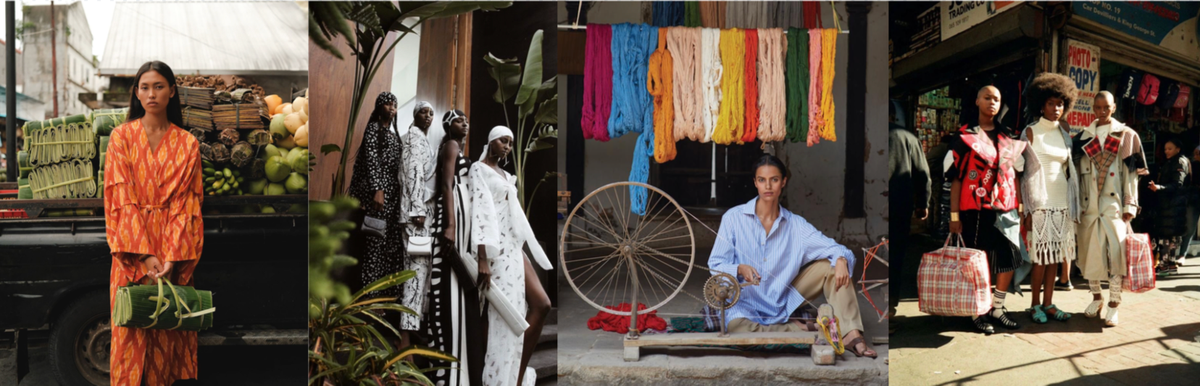
For decades, globalisation promised a universal fashion culture: the same streetwear collaborations, viral trends, and silhouettes accessible everywhere from Tokyo to Toronto. Yet in 2026 and beyond, this model is beginning to fracture.
Consumers, particularly younger generations, are increasingly rejecting the algorithm-driven sameness of fast fashion platforms and social media aesthetics. Instead, they are turning toward hyper-local, culturally rooted fashion narrativesthat feel personal, meaningful, and tied to specific places.
This transformation is often referred to as the Cultural Localism Shift. It is not about nostalgia or nationalism, but rather about micro-belonging, cultural specificity, and garments that carry geographical and historical meaning.
In a time of ecological uncertainty and cultural fragmentation, people are seeking stability through fashion that connects them to place.
The End of Global Sameness
For many years, globalization produced a fashion industry built on standardization and speed. Trends circulated instantly through digital platforms, while large retailers replicated aesthetics across global markets.
However, consumers are beginning to feel fatigue from this algorithmic homogenization. When every platform promotes similar looks generated by the same digital systems, fashion loses its cultural depth.
As a result, many people now seek clothing that cannot easily be replicated by algorithms. Hyper-local design codes, rooted in regional craft traditions, climate, and cultural history, offer precisely this type of authenticity.
Local garments become knowledge-coded pieces: to understand them requires cultural awareness rather than simply following trends.
Why Cultural Localism Is Rising
- Algorithmic Homogenisation Fatigue
- Social media platforms and AI styling tools continuously reproduce similar aesthetics. While this creates efficiency, it also generates a sense of visual repetition.
- Hyper-local fashion offers an alternative: pieces rooted in craft traditions, geographic materials, and community knowledge that resist algorithmic replication.
- Consumers increasingly value clothing that feels uncopyable and deeply contextual.
- Climate-Driven Regionalism
- Climate change is also influencing fashion production. As global supply chains become more fragile, designers and consumers are reconsidering the importance of regional materials and shorter production networks.
- Local fibers, regenerative agriculture, and small-scale craft practices are gaining attention because they reduce transportation emissions and strengthen regional economies.
- Supporting local artisans also connects consumers directly to communities that are experiencing the environmental consequences of climate change.
- Identity Fragmentation and Cultural Reclamation
- In a globalised digital culture, many young people feel disconnected from their cultural origins. Fashion has therefore become a way to reclaim heritage and identity.
- Indigenous craft revivals, diaspora design movements, and folkloric references are increasingly visible in contemporary fashion.
- Rather than embracing generalised multicultural aesthetics, consumers now prioritise authentic cultural narratives.
- A sentiment increasingly expressed by younger consumers is:
- “I don’t want to dress like the world. I want to dress like my world.”
Fashion Expressions of Cultural Localism
- Micro-Regional Storytelling
- Fashion is increasingly acting as a form of cultural journalism. Each garment tells a story about geography, ecology, and craft heritage.
- Designers reference traditional textiles such as Harris Tweed, Bengal muslin, or Andean alpaca weaving, integrating these materials into contemporary silhouettes.
- Brands also educate consumers about the origins of fibers, the history of techniques, and the communities behind production.
- Instead of designing collections based on seasonal trends, designers are building collections based on place-based narratives.
- Hyper-Local Collaborations
- Luxury houses and independent brands are moving beyond celebrity collaborations to develop partnerships with local artisans and communities.
- These collaborations can involve:
- regional dye masters
- embroidery guilds
- indigenous weavers
- local craft collectives
- When done ethically, these partnerships allow designers to combine advanced design with protected cultural knowledge.
- However, they must avoid superficial cultural appropriation. Authentic collaborations require fair compensation, community involvement, and shared ownership of cultural narratives.
- Place-Based Scarcity
- Scarcity in fashion is no longer only about price—it is increasingly about geographic access.
- Certain garments are produced in micro-limited editions available only within specific regions, requiring travel or cultural knowledge to obtain them.
- This system transforms fashion consumption into an insider cultural experience rather than a mass-market transaction.
- Regional boutiques, artisan markets, and traveling craft fairs are therefore regaining importance in the fashion ecosystem.
Designers Leading Cultural Localism
- Story mfg (UK / India)
- Story mfg combines regenerative Indian craft with contemporary British design.
- Their garments are hand-dyed, handwoven, and produced slowly using natural materials such as indigo and organic cotton.
- The brand emphasizes transparency in its supply chain, showing how garments are made and who creates them.
- Key insight: emotional connection can be built through visibility of craft processes.
- ELMY (Native American-Owned, USA)
- ELMY collaborates with Native American artisans to produce garments incorporating traditional beadwork, weaving, and symbolic motifs.
- The brand ensures that cultural storytelling remains community-led, allowing indigenous creators to maintain control over representation and profits.
- Key insight: authenticity in localism requires leadership from the cultural communities involved.
- Paria Farzaneh (UK / Iranian Diaspora)
- Designer Paria Farzaneh integrates Persian heritage into contemporary streetwear silhouettes.
- Her work incorporates calligraphy, traditional patterns, and diaspora narratives, creating a dialogue between global fashion structures and personal heritage.
- Key insight: personal identity can generate entirely new design languages.
- Fashion Ecologies: A Systemic View of Localism
- The Fashion Ecologies project explored how clothing systems are deeply embedded within local environments and communities.
- Rather than viewing fashion simply as products or supply chains, the project framed fashion as an integrated system of relationships between land, people, skills, and culture.
- Researchers used unconventional methods—such as mapping, drawing, interviewing, and observational research—to understand how garments interact with local economies and ecosystems.
- The findings showed that fashion localism involves both:
- practical infrastructure (skills, tools, local material supply)
- cultural imagination (new ways of valuing clothing practices)
- Local fashion therefore becomes a collective process that sustains communities and ecosystems over time.
The Limits and Challenges of Fashion Localism
Although cultural localism offers promising possibilities, it also presents important challenges.
- Risk of Cultural Appropriation
- Brands may attempt to use cultural narratives without properly collaborating with the communities involved. When local crafts are used only for aesthetic value, it can reproduce exploitative dynamics rather than empowering artisans.
- Accessibility and Elitism
- Hyper-local scarcity can create exclusivity that favors wealthy consumers who can travel or access insider networks. This risks transforming local culture into a luxury commodity rather than a shared heritage.
- Economic Tensions
- Local craft production often operates at smaller scales, which can make garments more expensive. This creates tension between sustainability and affordability, particularly for younger consumers.
- Romanticisation of Tradition
- Some narratives of localism risk portraying traditional crafts as static museum pieces. However, living cultural traditions evolve constantly. Designers must therefore treat heritage as dynamic and adaptable.
The Future of Fashion: Micro-Worlds
Between 2026 and 2027, fashion influence is becoming increasingly decentralized.
Instead of a few dominant capitals such as Paris, Milan, or New York, style innovation is emerging from thousands of hyper-specific cultural ecosystems.
For fashion brands, the challenge is no longer to expand globally but to deepen connections locally, with communities, materials, and landscapes.
The future of fashion will likely be fragmented, place-rooted, and knowledge-driven.
My Thought
I find the rise of cultural localism fascinating because it changes the way we think about fashion entirely. Instead of simply buying trends, clothing becomes a story about place, culture, and identity.
At the same time, I think it is important to remain critical. Localism should not become another marketing strategy where brands use cultural imagery without respecting the communities behind it.
For me, the most interesting aspect of this movement is how it reconnects fashion with craft, land, and knowledge. When fashion reflects real places and real people, it becomes much more meaningful than simply following global trends.
See you in the next one,
Eden
Resources :
- Trendsuite: cultural-localism-how-hyper-local-identity-is-reshaping-fashion
- University of Arts London: fashion-ecologies
- Journal of Fashion Practice : url
Photos