Fashion and Art

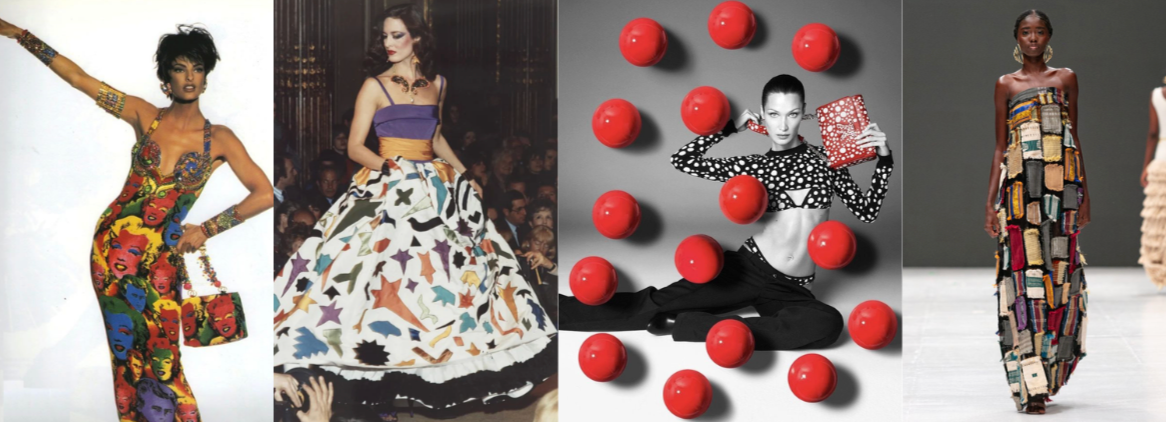
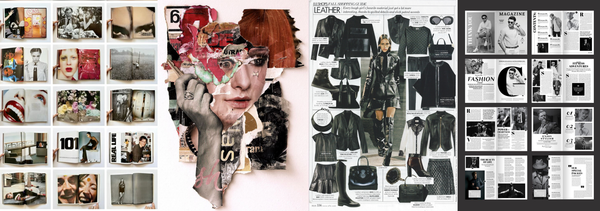
Fashion has never existed in isolation. From the earliest civilisations to contemporary runway shows, fashion has constantly interacted with art. Painting, sculpture, architecture, music and literature have shaped the way designers imagine clothing, while fashion itself has become a form of visual expression similar to a living artwork.
In haute couture especially, garments are more than functional objects, they become creative statements. Each collection can be understood as a moving exhibition where fabrics, colours and silhouettes reflect cultural influences and artistic movements.
Understanding the relationship between fashion and art allows us to better appreciate how clothing reflects society, identity and creativity across time.
Fashion as an Artistic Medium
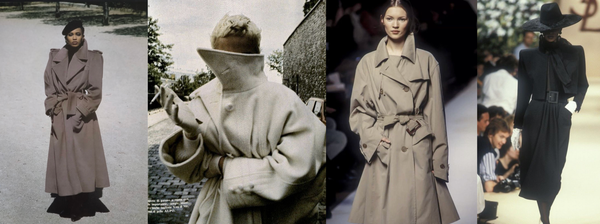
For luxury fashion houses, garments and footwear function like canvases. Designers use textiles, embroidery, silhouettes and patterns to translate artistic ideas into wearable creations.
A runway show often resembles a gallery exhibition. Each piece tells a story or expresses a concept inspired by artistic movements, cultural traditions or historical references.
Fashion therefore acts as a bridge between art and everyday life. While paintings remain in museums, clothing brings artistic expression into the streets, making art accessible to a wider audience.
This is why many designers consider themselves artists: they manipulate materials and forms to create emotional experiences, provoke reflection and reflect the spirit of their era.
Artistic Movements That Shaped Fashion
Throughout history, fashion has been deeply influenced by artistic styles. Many designers reinterpret these movements through clothing.
- Art Nouveau
- Art Nouveau fashion is characterised by flowing lines and organic forms inspired by nature. Fabrics such as silk and velvet were often used to highlight movement and elegance.
- Designers like Charles Frederick Worth incorporated floral motifs and curved silhouettes reminiscent of the decorative art style popular at the end of the 19th century.
- Art Deco
- Art Deco introduced geometric patterns, streamlined silhouettes and modern elegance.
- One of the most influential designers inspired by this movement was Coco Chanel, whose clean silhouettes and refined materials reflected the modern aesthetic of the 1920s.
- Pop Art
- Pop Art brought bold colours, repetition and references to popular culture into fashion. Designers began incorporating graphic prints inspired by advertising and celebrity imagery.
- Gianni Versace famously used Andy Warhol-inspired prints in his 1991 collection, including portraits of Marilyn Monroe.
- Minimalism
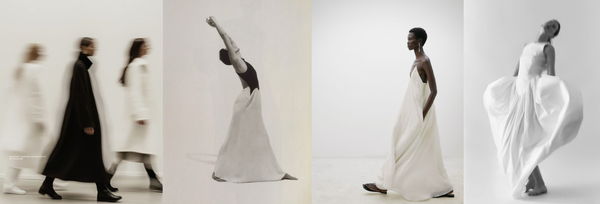
- Minimalism focuses on simplicity, clean lines and neutral colours.
- Designer Jil Sander became known for collections that reflected the minimalist philosophy of “less is more,” proving that simplicity can be both elegant and powerful.
- Futurism
- Futurism celebrated speed, technology and modernity.
- Pierre Cardin’s space-age collections of the 1960s captured this vision through metallic fabrics, geometric shapes and experimental silhouettes.
Iconic Collaborations Between Art and Fashion
Many fashion designers have drawn direct inspiration from famous artworks.
- Madeleine Vionnet and Ancient Greek Art
- Madeleine Vionnet studied classical Greek sculptures and translated their flowing drapery into garments made from silk crepe and jersey. Her designs from the early 20th century recreated the natural contours seen in ancient statues.
- Yves Saint Laurent and Piet Mondrian
- In 1965, Yves Saint Laurent created the famous “Mondrian dress,” a shift dress inspired by the geometric paintings of Piet Mondrian. The piece became one of the most iconic examples of fashion directly referencing modern art.
- Elsa Schiaparelli and Surrealism
- Elsa Schiaparelli collaborated with surrealist artist Salvador Dalí to create imaginative garments. Their famous Lobster Dress from 1937 merged haute couture with surrealist symbolism.
- Valentino and Hieronymus Bosch
- Valentino’s creative director Pierpaolo Piccioli created a collection inspired by the surreal imagery of Bosch’s painting The Garden of Earthly Delights, translating its colours and fantastical imagery into embroidery and elaborate silhouettes.
Historical Art Periods Reinterpreted in Fashion
Beyond individual artworks, entire historical eras have influenced fashion design.
- The Renaissance
- Designers such as Dolce & Gabbana have created collections inspired by Renaissance paintings, incorporating rich fabrics, dramatic sleeves and ornate embroidery reminiscent of Italian masterpieces.
- Elizabethan Fashion
- The dramatic silhouettes of Elizabeth I’d court, such as elaborate ruffs and embroidered gowns, continue to inspire designers like Vivienne Westwood and Valentino.
- Baroque Opulence
- Baroque art, known for its grandeur and theatricality, inspired richly decorated garments with elaborate gold embroidery and bold floral motifs.
- Japanese Ukiyo-e
- The iconic print The Great Wave off Kanagawa by Hokusai has inspired multiple designers who reinterpret its wave motif through prints and fabrics.
- Rococo and Versailles Fashion
The luxurious style of the 18th century, associated with Marie Antoinette, continues to inspire modern runway collections featuring pastel silks, floral patterns and decorative embellishments.
The Arts and Crafts Movement and Fashion Reform
The Arts and Crafts movement of the late 19th century also had a major impact on fashion.
Its principles emphasised:
- craftsmanship
- handmade production
- natural motifs
- artistic collaboration
Designers promoted embroidery, lace-making and textile craftsmanship, giving many women opportunities to work as professional designers.
This movement also influenced the Dress Reform Movement, which aimed to create clothing that allowed greater comfort and freedom of movement. It challenged restrictive Victorian garments such as corsets and heavy skirt structures.
By the early 20th century, these ideas helped pave the way for more practical and modern silhouettes.
The Limits and Criticism of the Relationship Between Fashion and Art
Although the connection between fashion and art is celebrated, it also raises several important issues.
- Accessibility and elitism
- Many couture pieces inspired by art are extremely expensive and accessible only to a small elite. This contradicts the Arts and Crafts movement’s original goal of bringing beauty into everyday life.
- Commercialisation of art
- Some critics argue that fashion can reduce artworks to decorative motifs, transforming complex artistic ideas into commercial products.
- Cultural appropriation
- When designers borrow visual elements from historical or cultural traditions without proper context, it can lead to criticism and accusations of cultural appropriation.
- Environmental impact
- The constant cycle of fashion collections inspired by artistic trends can contribute to overproduction and waste, raising questions about sustainability.
Recognizing these limitations is essential to understanding the broader cultural impact of fashion.
Everyday Fashion
Fashion lovers can also explore the relationship between art and clothing in their own style.
Some ways to do this include:
- Visiting museums and galleries for visual inspiration
- Choosing designers influenced by specific art movements
- Incorporating colours, patterns or silhouettes inspired by artistic styles
- Learning about art history to understand how aesthetics evolve
By doing so, personal style becomes a form of creative expression inspired by artistic culture.
My Thought
For me, the relationship between fashion and art is one of the most fascinating aspects of the fashion industry. Fashion is often seen as something superficial, but when you look closely, it carries centuries of artistic influence and cultural history.
What I find particularly interesting is how designers transform paintings, sculptures or historical references into wearable pieces. Fashion becomes a way to experience art in everyday life rather than only in museums.
However, I also think it is important to remain critical. Fashion sometimes commercializes artistic ideas or restricts them to luxury markets, which limits accessibility. As the industry evolves, it will be interesting to see how designers balance creativity, sustainability and cultural respect.
Ultimately, fashion and art will probably continue inspiring each other, shaping the way we express identity and creativity in the future.
See you in the next one,
Eden
Resources:
- Odda : fashion-and-art-a-connection-between-creativity-expression-and-artistic-currents
- Fashion Capital: how-art-has-inspired-fashion-throughout-history
- Victoria and Albert: how-arts-and-crafts-influenced-fashion
- Wearable art: 5-times-art-movements-have-inspired-fashion-designers
- Art Uk : from-canvas-to-catwalk-how-art-history-inspires-contemporary-fashion
Photos: