Fashion Mood Boards
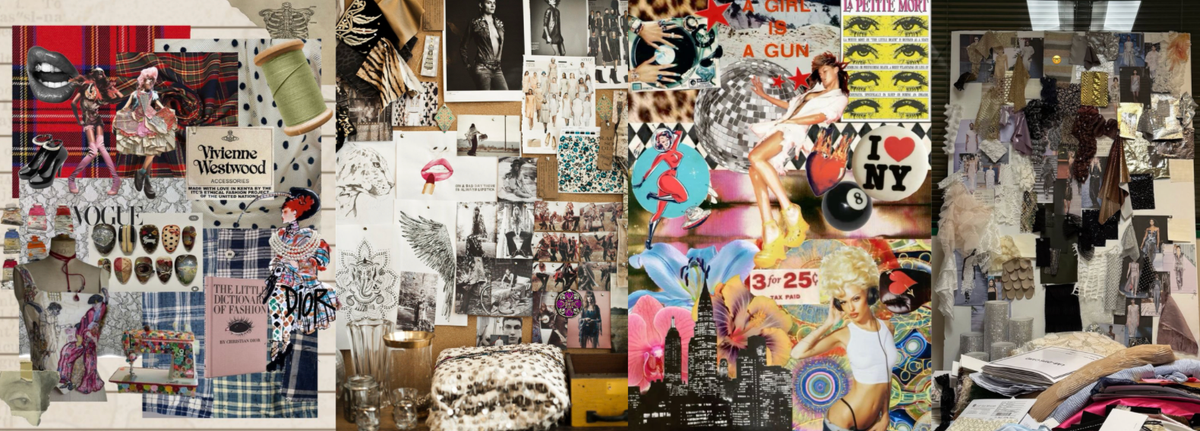
If you are passionate about fashion, you have probably encountered fashion mood boards, those aesthetic collages filled with colours, textures, silhouettes, and inspiring images that seem to capture an entire creative universe in one place.
For designers, stylists, and creative teams, mood boards are far more than visually pleasing images. They are a strategic creative tool used to transform abstract ideas into a clear artistic direction.
Whether it is for designing a clothing collection, planning a photoshoot, building a brand identity, or even refining personal style, mood boards play a central role in the creative process. This article explores what fashion mood boards are, how they are used in the industry, their advantages and limitations, and how anyone can create one.
What Is a Fashion Mood Board?
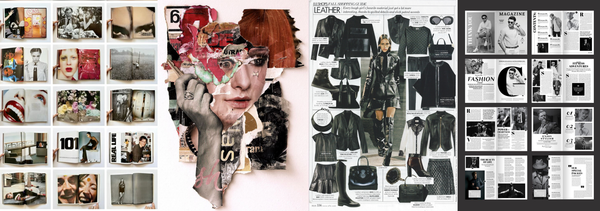
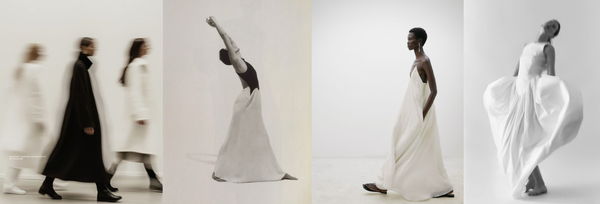
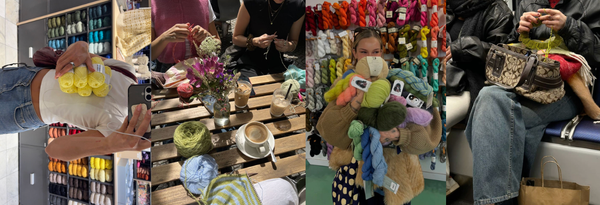
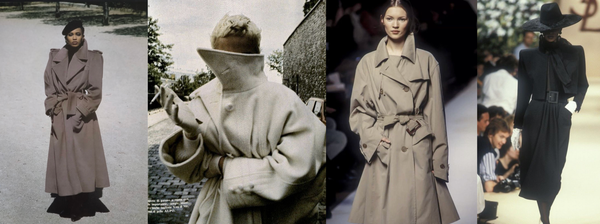
A fashion mood board is a visual collage that represents the aesthetic direction of a creative project. It gathers elements such as:
- Color palettes
- Fabric swatches and textures
- Photographs and editorial images
- Runway references
- Typography
- Patterns and silhouettes
- Cultural or artistic inspirations
The goal is to visually express the mood, tone, and story behind a fashion concept before production begins.
Traditionally, mood boards were created physically using magazine cutouts, fabrics, and printed photos pinned onto boards. Today, many creatives use digital tools like Pinterest, Canva, or Photoshop, allowing faster creation and easier collaboration.
In essence, a mood board is the first step between inspiration and execution, helping designers translate ideas into a cohesive vision.
Why Mood Boards Are Important in Fashion
Mood boards are widely used because they help creatives:
- Clarify Creative Vision
- When starting a project, ideas can be vague or scattered. A mood board helps visualise the concept and refine it before investing time and resources.
- Communicate Ideas Clearly
- Fashion projects involve teams, designers, stylists, photographers, marketers. A mood board allows everyone to see the same creative direction.
- Maintain Visual Consistence
- From the garments to the marketing campaign, mood boards ensure that every element aligns with the same aesthetic identity.
- Spark Inspiration
- Collecting references from art, cinema, architecture, and culture helps creatives discover unexpected ideas.
How Fashion Professionals Use Mood Boards
Mood boards are used at almost every stage of the fashion industry.
- Seasonal Trend Research
- Design teams collect references from runway shows, street style, and cultural movements to identify:
- emerging color palettes
- fabrics and textures
- new silhouettes
- This helps brands anticipate trends for upcoming seasons.
- Design teams collect references from runway shows, street style, and cultural movements to identify:
- Collection Development
- Designers organize sketches, fabric samples, and inspiration images to guide the development of a clothing line.
- Brand Identity
- Mood boards define how a brand looks and feels by exploring:
- logo inspiration
- typography
- visual storytelling
- lifestyle imagery
- Mood boards define how a brand looks and feels by exploring:
- Campaign Styling
- Art directors and stylists use mood boards to plan the visual direction of photoshoots, lookbooks, or advertising campaigns.
- Personal Style Planning
- Mood boards are also useful for individuals wanting to refine their wardrobe or explore a new aesthetic.
Four Types of Professional Fashion Mood Boards
- 1. Fashion Trend Mood Board
- Trend mood boards focus on future fashion directions. They often include:
- color forecasts
- textile inspiration
- silhouettes
- cultural references
- runway imagery
- These boards guide design teams when developing new collections.
- Trend mood boards focus on future fashion directions. They often include:
- 2. Fashion Styling Mood Board
- Used by stylists and producers, styling mood boards help plan outfits and visual aesthetics for shoots or shows.
- They often include:
- outfit combinations
- accessories
- hair and makeup references
- fabric pairings
- editorial inspirations
- 3. Fashion Branding Mood Board
- Branding mood boards define the visual identity of a fashion label.
- They typically feature:
- logo inspiration
- typography choices
- brand colour palette
- packaging references
- lifestyle imagery reflecting the target customer
- 4. Fashion Campaign or Lookbook Mood Board
- These boards guide photoshoots and marketing campaigns.
- They include:
- lighting references
- poses and composition
- set design ideas
- locations
- mood and atmosphere imagery
Digital vs Physical Mood Boards
- Digital Mood Boards
- Digital mood boards have become extremely popular because they offer:
- easy editing and rearranging
- unlimited visual resources online
- real-time collaboration
- accessibility from anywhere
- eco-friendly creation without printing
- Digital mood boards have become extremely popular because they offer:
Physical Mood Boards
- Despite digital tools, physical boards remain valuable.
- They provide:
- tactile interaction with fabrics and textures
- stronger visual impact during presentations
- a more immersive creative experience
- Many designers actually combine both formats during the design process.
- They provide:
Mood Boards in Branding and Social Media
Mood boards have also evolved into marketing tools.
Brands now share their mood boards publicly on platforms like Instagram and Pinterest to communicate their aesthetic and connect with audiences.
For example, some fashion brands create entire visual universes online, where images of architecture, vintage advertisements, travel, and art all reinforce their brand identity.
This strategy helps audiences understand the lifestyle behind the brand, not just the products.
The Limits and Criticism of Mood Boards
Although mood boards are powerful tools, they also have some limitations.
- Risk of Over-Inspiration
- Sometimes designers rely too heavily on existing images, which can lead to a lack of originality.
- Visual Overload
- A mood board filled with too many images may lose clarity and fail to communicate a clear concept.
- Surface-Level Creativity
- Critics argue that mood boards can encourage aesthetic imitation rather than deeper conceptual thinking.
- Social Media Saturation
- With platforms like Pinterest and Instagram, mood boards have become extremely popular. As a result, many boards start to look similar because they draw from the same viral images.
- Understanding these limits helps creatives use mood boards more thoughtfully and strategically.
How to Create a Fashion Mood Board
- 1. Start With a Concept
- Think about the story or emotion you want to communicate.
- 2. Gather Visual Inspiration
- Sources can include:
- fashion magazines
- art and photography
- cinema
- architecture
- nature
- social media platforms
- Sources can include:
- 3. Curate Carefully
- Select images that truly support the concept instead of adding too many references.
- 4. Organize Visually
- Arrange elements by:
- color palette
- texture
- composition
- mood
- Arrange elements by:
- 5. Refine the Board
- Remove unnecessary images and maintain visual harmony.
- 6. Gather Feedback
- Sharing the mood board with collaborators can provide valuable insights.
My Thought
Personally, I find fashion mood boards fascinating because they show how creativity begins long before a garment is actually produced. They reveal the hidden process behind design, where ideas, culture, art, and emotions blend together to create a vision.
What I particularly appreciate is that mood boards are not only tools for professionals. Anyone interested in fashion can use them to explore their identity and personal style.
However, I also think it is important to remember that inspiration should not replace originality. Mood boards should guide creativity, not limit it.
When used thoughtfully, they can become a bridge between imagination and reality, transforming scattered ideas into meaningful fashion projects.
See you in the next one,
Eden
Resources :
- Adobe: fashion.html
- Troyware : why-moodboards-matter
- Esquire: mood-board-instagram-fashion-trend
- No labels : all-about-fashion-moodboard
Photos :