Harper’s Bazaar

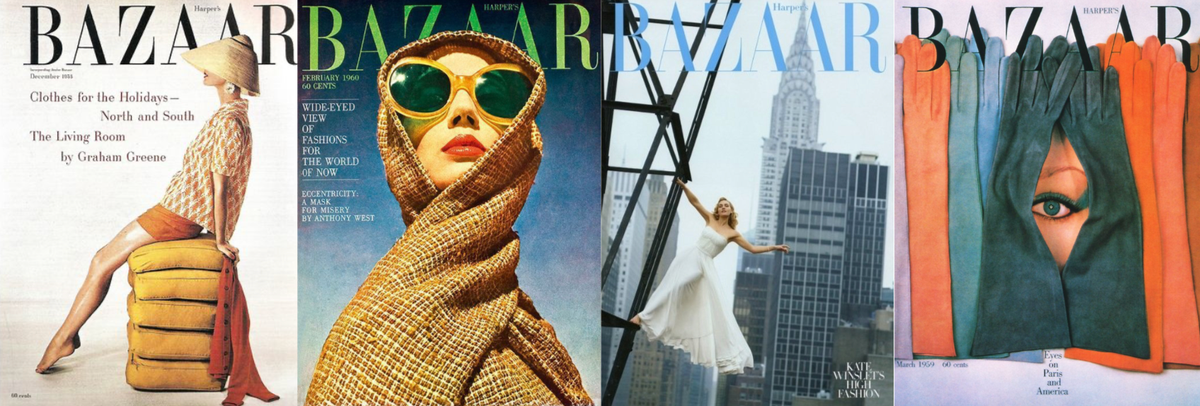
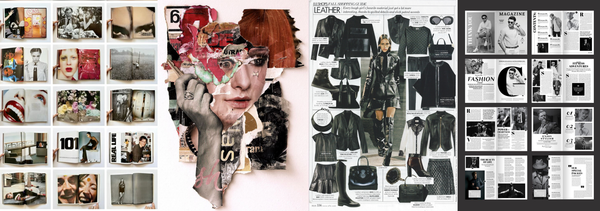
Harper’s Bazaar is one of the most influential fashion magazines in the world. Founded in New York City in 1867, it is considered the oldest women’s fashion magazine still in operation. Originally published weekly as Harper’s Bazar, it evolved into a monthly publication and became a global authority on fashion, art, and culture.
Since 1913, the magazine has been owned by Hearst, and today its headquarters are located in Hearst Tower in Manhattan.
The Birth of Harper’s Bazaar (1867–1913)
The magazine was founded by Harper & Brothers, inspired by the German publication Der Bazar. From the beginning, it aimed to be more than a fashion magazine. It described itself as:
“A repository of fashion, pleasure, and instruction.”
Under its first editor, Mary Louise Booth, the magazine blended:
- Fashion trends
- Literature and poetry
- Social commentary
Interestingly, although it avoided explicit politics, it subtly supported:
- Women’s education
- Women’s rights
- Early suffrage movements
This made it a quiet but powerful voice for change.
A Cultural Mirror of Society
In the late 19th century, the Industrial Revolution transformed society. Harper’s Bazaar reflected these changes by:
- Showcasing European luxury and elegance
- Guiding upper-class women on lifestyle and etiquette
- Publishing works from major writers like Henry James and George Eliot
It became not just a fashion guide, but a cultural and intellectual platform for women.
Reinvention and Rise (1913–1934)
After being acquired by Hearst in 1913, the magazine underwent major changes:
- Transition to a glossy, modern format
- Stronger editorial identity
- Shift toward visual storytelling
In 1929, the magazine officially became Harper’s Bazaar, marking a new era.
The Golden Age of Creativity (1930s–1970s)
This period is considered the magazine’s most revolutionary.
- Carmel Snow’s Vision
- As editor-in-chief, she transformed the magazine into a creative powerhouse.
- Alexey Brodovitch’s Innovation
- Art director Alexey Brodovitch revolutionized magazine design by:
- Introducing modern layouts
- Using white space creatively
- Elevating photography to an art form
- Art director Alexey Brodovitch revolutionized magazine design by:
- A Turning Point in Fashion Photography
- A 1933 shoot by Martin Munkácsi showed a model running on a beach—breaking away from stiff studio poses. This moment changed fashion photography forever.
- Legendary Contributors
- The magazine collaborated with:
- Richard Avedon
- Man Ray
- Andy Warhol
- The magazine collaborated with:
It became known as “a photographer’s magazine.”
Representation and Progress
Harper’s Bazaar also played a role in representation:
- Ady Fidelin became one of the first Black models featured (1937)
- China Machado appeared in a major editorial in 1959
However, these decisions were often controversial, showing the tension between progress and societal resistance.
A Rivalry at the Top
For decades, Harper’s Bazaar has been the main competitor of Vogue.
In the 1990s, under editor Liz Tilberis, the magazine was reinvented with a clear ambition:
“To make it the most beautiful fashion magazine in the world.”
This repositioned it as a leader in luxury fashion publishing.
Sustainability and Modern Values
In December 2025, a major shift occurred:
- Hearst banned the promotion of fur across all its magazines
- This included Harper’s Bazaar and its global editions
This decision reflects:
- Growing environmental awareness
- Changing ethical standards in fashion
Limits and Criticism
Despite its influence, Harper’s Bazaar has limitations:
- Elite Perspective
- Originally targeted wealthy women
- Often promoted unattainable lifestyles
- Slow Inclusivity
- Representation of diversity came late
- Faced resistance from its own publishers
- Commercial Influence
- Strong ties to advertising and luxury brands
- Can limit editorial independence
These factors remind us that fashion magazines are not just cultural tools, but also commercial products.
Conclusion: A Lasting Influence
For over 150 years, Harper’s Bazaar has:
- Shaped fashion trends
- Influenced visual culture
- Reflected the evolution of women’s roles
It remains a global symbol of creativity, elegance, and storytelling.
My Thought
What I find most interesting about Harper’s Bazaar is how it goes beyond fashion. It’s not just about clothes, it’s about identity, culture, and power.
At the same time, it also shows the contradictions of the fashion industry: it promotes beauty and creativity, but also exclusivity and consumerism.
For me, Harper’s Bazaar represents both inspiration and limitation. It’s a magazine that reflects the world, but also helps shape it.
Resources :
- Wikipedia: Harper's_Bazaar
- Harper’s Bazaar: history-of-harpers-bazaar
- Style CHNGR : the-origins-of-harper-s-bazaar-a-legacy-of-fashion-and-culture
Photos :