The New Luxury Codes

Luxury is no longer what it used to be. Once defined by bold logos, exclusivity through price, and visible wealth, it is now evolving into something far more subtle and intellectual. In modern urban apparel, status is communicated through nuance: craftsmanship, materials, cultural awareness, and personal expression.
This transformation reflects a broader shift in consumer values. Today’s audience, especially younger, urban generations, seeks authenticity over ostentation. Luxury is no longer about showing off; it’s about knowing.
Quiet Luxury
One of the most defining shifts is the rise of “quiet luxury.” Instead of bold branding, the focus is on:
- Impeccable tailoring
- High-quality materials
- Timeless, understated design
Luxury is now recognized by those who understand it. It’s a language spoken between insiders rather than broadcast to the masses.
This reflects deeper values:
- Sustainability
- Longevity
- Ethical production
Owning luxury is no longer enough, understanding it is what creates status.
Material Matters
In this new era, materials and construction have become central.
Luxury garments are defined by:
- Technical fabrics designed for urban life
- Rare or sustainable natural fibers
- Precision craftsmanship (stitching, seams, finishing)
The value lies in how something is made, not just how it looks.
Brands are increasingly revealing their production processes, emphasizing savoir-faire and artisanal heritage. Consumers want transparency, they want to know the story behind what they wear.
Curated Comfort
The boundary between casual and formal wear has disappeared.
Today’s luxury wardrobe includes:
- Cashmere hoodies
- Silk-blend tracksuits
- High-performance sneakers
Comfort is no longer the opposite of luxury, it is a core component of it.
This reflects modern lifestyles: fast-paced, flexible, and hybrid. True luxury now means being able to move seamlessly between contexts without compromising style.
Scarcity Reimagined
Exclusivity still matters, but it has evolved.
Instead of just high prices, brands now create scarcity through:
- Limited drops
- Collaborations
- Members-only access
Owning these pieces signals:
- Cultural awareness
- Timing
- Belonging to a specific community
Luxury is no longer just economic capital, it’s cultural capital.
Subculture Influence
Street culture has become one of the most powerful forces shaping luxury.
Influences include:
- Skate culture
- Hip-hop
- Underground creative communities
Luxury brands now look to the streets for authenticity. The result is a fusion:
- High-end craftsmanship
- Raw, cultural energy
This has democratised luxury, making it more inclusive and diverse, but also more complex.
Beyond Clothing
Luxury today extends beyond garments.
- Silhouette
- Clothing has become quieter:
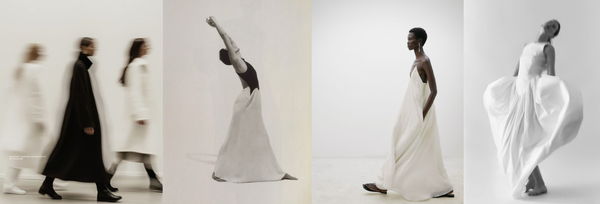
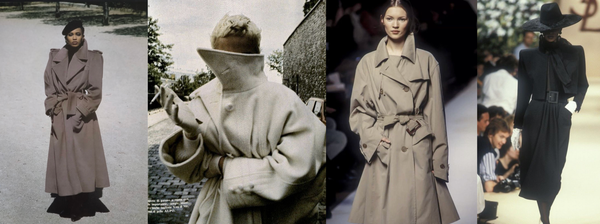
- Relaxed tailoring
- Fluid shapes
- Effortless yet precise design
- Fragrance
- Scent is now a key part of identity:
- Niche perfumes create individuality
- Fragrance acts as an invisible signature
- Accessories & Timepieces
- Accessories are minimal but intentional:
- A single defining object
- Or carefully curated layering
Watches, in particular, represent permanence in a fast-changing world.
Reinventing Luxury Branding
- a. Craftsmanship Transparency
- Brands highlight artisans and production processes, showing the “behind the scenes” of luxury.
- b. Storytelling & Heritage
- Luxury brands now share their history openly, creating emotional connections with consumers.
- c. Experiences Over Products
- Luxury is no longer just about owning, it’s about experiencing:
- Pop-ups
- Interactive stores
- Digital immersion
- d. Sustainability & Ethics
- Luxury brands are increasingly:
- Using recycled materials
- Supporting environmental initiatives
- Promoting responsible consumption
This creates a “guilt-free luxury” that aligns with modern values.
The Limits and Criticism of New Luxury
Despite its evolution, modern luxury is not without contradictions.
- a. Accessibility vs. Exclusivity
- While luxury appears more inclusive, it still relies on scarcity and high pricing, creating a paradox.
- b. Sustainability vs. Consumption
- Many brands promote sustainability while continuing to produce large quantities, raising questions about authenticity.
- c. Cultural Appropriation
- The use of subcultures by luxury brands can sometimes exploit communities without properly crediting them.
- d. The Illusion of Effortlessness
- “Effortless style” often requires significant financial means, making it inaccessible to many.
Conclusion
Luxury today is no longer about what you show, it’s about what you know.
It is defined by:
- Subtlety
- Craft
- Cultural awareness
- Personal identity
Modern luxury is quieter, but also more complex. It is not just about owning objects, but about expressing a thoughtful and informed way of living.
My Thought
I think this evolution of luxury is both inspiring and contradictory.
On one hand, it promotes better values: sustainability, craftsmanship, and individuality. It encourages people to buy less but better, and to think more deeply about what they wear.
But at the same time, it still creates invisible barriers. Luxury hasn’t disappeared, it has just become harder to decode. Instead of obvious logos, it now requires knowledge, access, and cultural awareness, which are not equally available to everyone.
To me, the most interesting part is how luxury has become more personal. It’s no longer about impressing others, it’s about building an identity. And maybe that’s the real shift: luxury is no longer something you show, it’s something you understand.
Resources:
- Medium: the-new-luxury-codes-deconstructing-status-in-modern-urban-apparel-ce00aa87fc4a
- The Glass Magazine: glass-dissects-the-new-codes-of-modern-luxury
- The Branding Journal: new-luxury-branding-codes-4-ways-venerable-brands-reinventing-appeal
Photos: