Can Luxury Ever Truly Be Sustainable?

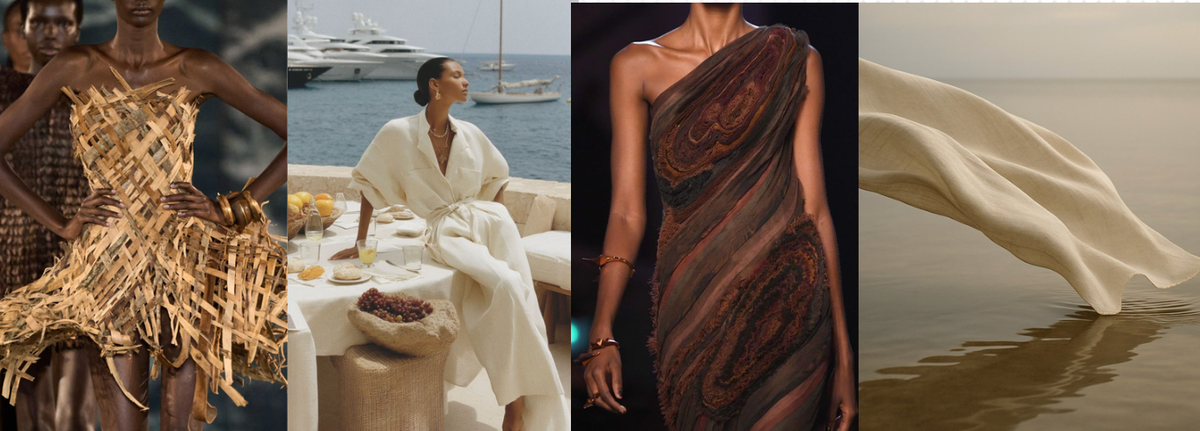
Luxury and sustainability were once seen as opposing ideas. Luxury was associated with exclusivity, indulgence, and abundance, while sustainability focused on conservation, responsibility, and restraint. Yet in recent years, luxury brands have increasingly embraced sustainability as both a business strategy and a moral obligation. From recycled materials and circular business models to carbon reduction targets and supply chain transparency, the luxury sector is attempting to redefine what luxury means in the 21st century.
But can luxury fashion ever be truly sustainable, or is it simply becoming better at managing its environmental impact? The answer is complex.
Why Sustainability Has Become Essential for Luxury
Consumer expectations are changing rapidly. Research from McKinsey found that European consumers are becoming increasingly concerned about climate change and environmental responsibility. Many now actively seek products made from sustainable materials, environmentally friendly packaging, and brands that demonstrate genuine commitments to sustainability.
For luxury brands, sustainability is no longer optional. It has become a key factor influencing purchasing decisions, particularly among younger generations who expect companies to align with their values.
As a result, major luxury groups and independent brands alike are investing heavily in environmental and social initiatives.
Luxury's Natural Advantage: Products Designed to Last
One of luxury fashion's strongest arguments for sustainability is durability.
Unlike fast fashion, luxury products are often created with exceptional craftsmanship and high-quality materials intended to last for decades. A luxury handbag, coat, or watch is typically purchased with the expectation that it will remain valuable and usable for years.
Federico Marchetti, Chairman and CEO of Yoox Net-a-Porter, believes the future of luxury lies in fewer collections, reduced production, and products that can be treasured for a lifetime.
The concept is simple: buying fewer but better products reduces waste and lowers overall demand for new resources. In theory, luxury already aligns with one of sustainability's most important principles, longevity.
However, this model only works if consumers treat luxury goods as long-term investments rather than seasonal trends.
Responsible Sourcing: Where Sustainability Begins
A luxury product is only as sustainable as the materials used to create it.
Consumers increasingly want to know:
- Where materials originate
- How they are produced
- Who is involved in the supply chain
- What environmental impact they create
Brands are responding by investing in traceable and responsibly sourced materials.
One example is Burberry's partnership to develop a more sustainable cashmere industry in Afghanistan. The initiative focuses not only on environmental improvements but also on social issues such as gender equality, land management, and community development.
Similarly, Yoox Net-a-Porter's "Modern Artisan" project combined traditional craftsmanship with traceable cashmere, wool, and organic silk sourced from trusted suppliers.
The goal is clear: luxury must extend beyond product quality to include ethical and environmental responsibility.
Technology's Role in Building Sustainable Luxury
Technology is becoming one of the industry's most powerful tools for sustainability.
Luxury jewellery brand Lark & Berry exclusively uses laboratory-grown diamonds, eliminating many of the environmental and social concerns associated with traditional diamond mining.
The company also:
- Uses renewable energy in diamond production
- Relies on recycled metals
- Plants trees in mining-affected regions
- Offsets shipping emissions
Similarly, Vienna-based jewellery house Boltenstern uses recycled gold powder and 3D printing technology to create jewellery with minimal material waste.
According to many industry leaders, technological innovation will be essential for reducing emissions, improving efficiency, and developing new sustainable materials.
The Rise of Circular Luxury
Perhaps the most promising development is the emergence of the circular economy.
Luxury products are uniquely suited for resale, repair, and rental because they retain value over time.
Today, many luxury brands are exploring:
Resale Platforms
Allowing customers to buy and sell pre-owned luxury goods.
Repair Services
Extending product lifespans through maintenance and restoration.
Rental Models
Providing access to luxury products without requiring ownership.
Made-to-Order Production
Reducing excess inventory and overproduction.
Luxury's emphasis on craftsmanship and durability makes it naturally compatible with circular business models.
A Hermès scarf or Chanel handbag can pass through multiple owners while retaining both desirability and value.
The Human Side of Sustainability
Sustainability is not only about environmental impact.
It also includes:
- Fair wages
- Safe working conditions
- Diversity and inclusion
- Ethical sourcing
- Human rights protections
Consumers increasingly expect transparency regarding who makes luxury products and under what conditions.
Recent controversies surrounding supply chain practices have demonstrated that luxury branding alone does not guarantee ethical production.
This growing scrutiny is forcing brands to become more transparent and accountable than ever before.
The Challenges and Contradictions of Sustainable Luxury
While progress is being made, significant obstacles remain.
Growth Versus Sustainability
Luxury companies are businesses designed to grow. Growth often means producing and selling more products, which inevitably increases resource consumption.
Even companies with ambitious sustainability goals face this challenge.
For example, Kering, the owner of Gucci, Balenciaga, and Saint Laurent, has implemented extensive sustainability initiatives. Yet increased consumer demand has at times led to rising emissions despite ongoing environmental improvements.
This highlights a difficult reality: it is extremely difficult to achieve sustainability while simultaneously pursuing continuous growth.
Material Limitations
Many sustainable materials remain expensive and difficult to scale.
Innovations such as mushroom leather, algae-based textiles, and bio-materials are exciting developments, but most are currently limited to small-scale projects rather than mass adoption.
The challenge is transforming promising innovations into solutions capable of supporting global production.
Greenwashing
Perhaps the biggest concern is greenwashing.
Some brands highlight isolated sustainability initiatives while avoiding discussion of larger environmental impacts.
A collection made from recycled materials may sound impressive, but if production volumes continue to rise dramatically, the overall environmental footprint may still increase.
True sustainability requires transparency across an entire business, not just selected marketing campaigns.
Leadership, Transparency, and Systemic Change
Experts increasingly argue that sustainability cannot be treated as a separate department.
According to Diana Verde Nieto, co-founder of Positive Luxury, sustainability must be integrated into every aspect of a company's operations, from design and sourcing to logistics and executive decision-making.
She also emphasizes that governments and legislation must play a larger role.
Without stronger regulations and incentives, businesses alone may struggle to drive the systemic changes needed to address environmental and social challenges at scale.
As she famously describes it, current efforts can sometimes feel like trying to patch holes in a leaking bathtub rather than replacing the bathtub entirely.
So, Can Luxury Ever Be Fully Sustainable?
The honest answer is probably not, at least not in the absolute sense.
Every product requires resources, energy, transportation, and human labor. As long as production exists, some environmental impact will remain.
However, luxury may be better positioned than most sectors to become significantly more sustainable.
Its focus on quality, craftsmanship, longevity, repairability, and timeless design aligns naturally with many sustainability principles.
The industry's future likely depends on embracing:
- Fewer but better products
- Transparent supply chains
- Circular business models
- Ethical labor practices
- Technological innovation
- Responsible sourcing
The goal may not be perfect sustainability, but rather continuous improvement and meaningful reduction of harm.
My Thought
I believe luxury fashion can become one of the most sustainable segments of the fashion industry, but only if it redefines what luxury truly means.
For decades, luxury was often associated with exclusivity, excess, and constant novelty. Today, consumers are beginning to value something different: quality, transparency, craftsmanship, and responsibility.
A truly luxurious product should not only look beautiful; it should be made ethically, sourced responsibly, and designed to last for years rather than seasons.
At the same time, we should remain critical. Sustainability should never become just another marketing trend. Brands must be judged not by their promises but by measurable actions and transparent results.
Luxury may never be perfectly sustainable, but it can become far more responsible. The brands that embrace this reality today will likely define the future of fashion tomorrow.
Resources:
- Luxury Society: can-luxury-ever-truly-be-sustainable
- Sources: luxury-fashion-sustainable
- BBC: 20231108-can-luxury-fashion-ever-be-fully-sustainable
- Billy Tannery: can-luxury-be-sustainable
Photos: