Why Minimalism Became a Luxury Symbol

For decades, luxury was easy to recognize. Large logos, monogrammed bags, and recognizable designer patterns were considered the ultimate symbols of wealth. Brands such as Louis Vuitton, Christian Dior, and Ralph Lauren built their identities around visibility.
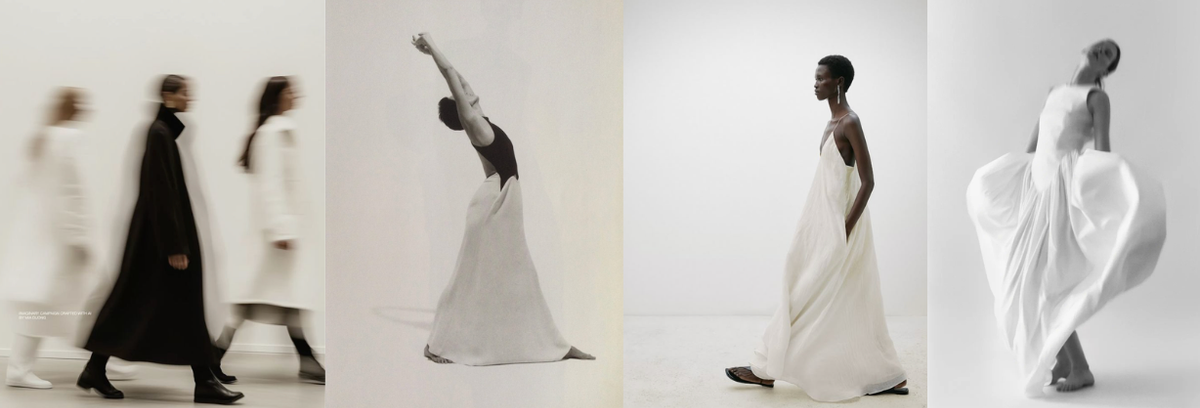
Today, however, the definition of luxury has changed. Instead of loud logos and flashy branding, many affluent consumers are turning toward minimalist fashion, often called Quiet Luxury. In this new era, quality, craftsmanship, and timeless design speak louder than logos ever could.
The End of Logo Mania
During the 1980s, 1990s, and early 2000s, luxury was closely linked to visibility. Designer logos covered handbags, clothing, and accessories. The idea was simple: if you could afford luxury, you wanted everyone to know.
However, as luxury brands expanded globally, luxury products became more accessible. Through outlet stores, sales, credit purchasing, and counterfeit goods, logo-heavy luxury became increasingly common.
As a result, logos gradually lost their exclusivity. When everyone could carry a designer-branded item, logos no longer served as a reliable indicator of wealth or status.
This opened the door for a new form of luxury.
What Is Quiet Luxury?
Quiet Luxury is a fashion philosophy centered on subtle elegance rather than obvious branding.
Key Characteristics
- Neutral color palettes such as beige, camel, navy, black, cream, and grey
- High-quality fabrics including cashmere, silk, fine wool, and premium leather
- Minimal or invisible branding
- Timeless silhouettes
- Exceptional tailoring and fit
- Long-lasting pieces designed to be worn for years
Rather than saying, "Look at me," quiet luxury communicates confidence through quality.
The message becomes:
"Those who understand quality will recognize it."
Why Has Minimalism Become the New Luxury?
1. Quality Is Harder to Fake
A logo can easily be copied.
True craftsmanship cannot.
Premium cashmere, hand-finished stitching, expertly tailored garments, and exceptional leather quality require skill, expertise, and expensive materials.
This makes quality a stronger symbol of luxury than branding.
2. It Signals Knowledge and Taste
Quiet luxury requires understanding.
Recognizing superior fabrics, construction methods, and timeless design reflects cultural knowledge and refined taste.
In many ways, knowledge itself has become a status symbol.
3. It Reflects Confidence
Loud luxury often seeks recognition.
Quiet luxury reflects self-assurance.
People who embrace minimalist luxury generally feel less pressure to prove their wealth to others.
4. It Matches Modern Values
Today's consumers increasingly prioritize:
- Sustainability
- Quality over quantity
- Authenticity
- Longevity
Minimalist luxury aligns naturally with these values because products are often designed to last for decades rather than seasons.
The Brands Defining Quiet Luxury
The Row
Founded by Mary-Kate Olsen and Ashley Olsen, The Row is often considered the ultimate quiet luxury brand.
Its collections focus on:
- Perfect tailoring
- Exceptional fabrics
- Minimalist aesthetics
- No visible logos
Loro Piana
Known for producing some of the world's finest cashmere and vicuña wool, Loro Piana represents luxury through material excellence.
Khaite
Khaite offers a more modern interpretation of quiet luxury while maintaining premium craftsmanship and understated elegance.
Max Mara
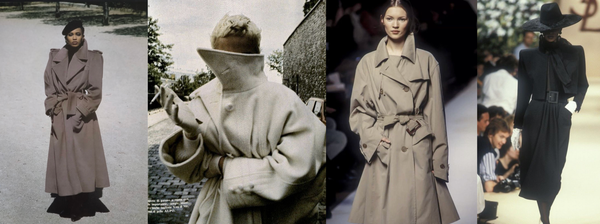
Famous for its timeless camel coats, Max Mara demonstrates how minimalism can remain elegant and practical for everyday life.
The Connection Between Minimalism and Sustainability
One reason minimalism has become increasingly popular is its connection to sustainability.
Consumers are becoming more aware of:
- Fast fashion waste
- Overconsumption
- Environmental impact
Instead of purchasing numerous trend-driven pieces, many consumers now prefer investing in fewer, higher-quality items that can last for years.
This "buy less, buy better" mentality perfectly aligns with minimalist fashion.
Technology's Influence on Minimalism
Technology leaders have also contributed to the rise of minimalism.
Figures such as Steve Jobs and Mark Zuckerberg became known for wearing nearly identical outfits every day.
Their approach suggested that simplicity can reduce decision fatigue and allow greater focus on important tasks.
This idea resonated with modern consumers who increasingly value practicality and efficiency.
The Psychology Behind Quiet Luxury
Quiet luxury appeals to people because it offers:
Authenticity
Consumers are becoming tired of performative consumption and influencer-driven trends.
Quiet luxury feels more genuine because it focuses on personal satisfaction rather than public recognition.
Exclusivity Through Knowledge
Unlike logo-based luxury, quiet luxury creates a sense of insider recognition.
Only those familiar with fashion craftsmanship can truly identify many luxury minimalist pieces.
Simplicity and Comfort
Minimalist wardrobes are:
- Easier to style
- More versatile
- Less stressful
- More cohesive
Many people discover that owning fewer, better pieces simplifies everyday life.
The Limits of Quiet Luxury
Although quiet luxury has many advantages, it is not without criticism.
It Can Still Be Extremely Expensive
Even without visible logos, many quiet luxury brands remain inaccessible to most consumers.
A minimalist coat may still cost thousands of euros.
Minimalism Can Become Another Status Symbol
Some critics argue that quiet luxury simply replaces one form of status signaling with another.
Instead of displaying logos, consumers display their knowledge of expensive brands and materials.
Sustainability Claims Are Not Always Perfect
While minimalist wardrobes can encourage slower consumption, many luxury brands still operate within industries that consume significant resources.
Therefore, quiet luxury should not automatically be viewed as completely sustainable.
It May Feel Exclusionary
Because recognition depends on insider knowledge, quiet luxury can sometimes reinforce social divisions based on education, culture, and wealth.
The Future of Luxury
Many experts believe quiet luxury represents more than a temporary trend.
It reflects broader cultural changes:
- Greater appreciation for craftsmanship
- Growing environmental awareness
- Desire for authenticity
- Rejection of excessive consumption
Rather than focusing on visibility, modern luxury increasingly emphasizes quality, longevity, and personal satisfaction.
In this sense, luxury is becoming less about what others see and more about how something feels.
My Thought
I find the rise of quiet luxury fascinating because it shows how fashion constantly evolves with society. In a world dominated by social media, advertisements, and fast fashion, minimalism feels almost rebellious. It encourages people to slow down, focus on quality, and build a wardrobe that reflects their personal style rather than temporary trends.
However, I also think it is important to remember that quiet luxury is still a form of luxury. While it promotes sustainability and timelessness, many of its products remain financially inaccessible for most people. The true lesson of quiet luxury may not be buying expensive clothing, but learning to appreciate quality, craftsmanship, and thoughtful consumption regardless of budget.
Photos:
Resources: