Why Fashion Feels Faster Than Ever

Fashion has always evolved, but never at the speed we experience today. Thanks to social media platforms such as TikTok, Instagram, and Pinterest, trends can emerge, spread globally, and disappear within a matter of weeks. Every day, consumers are exposed to countless aesthetics, products, and styling ideas, creating a fashion environment driven by constant novelty.
However, beneath this rapid pace lies an interesting contradiction. While fashion is accelerating faster than ever, many consumers are increasingly searching for permanence, authenticity, and timeless value. This phenomenon is often referred to as the Fashion Acceleration Paradox: the faster fashion moves, the more people seek pieces that endure beyond the trend cycle.
The Rise of Fashion Acceleration
In the past, trends followed predictable seasonal cycles. Designers presented collections months in advance, magazines introduced new styles, and trends developed gradually.
Today, social media has completely transformed this rhythm.
A single influencer post can generate worldwide demand overnight. Viral aesthetics such as coastal grandmother, cottagecore, coquette, indie sleaze, or the mob wife aesthetic can dominate online conversations for a few weeks before being replaced by the next trend.
Consumers are constantly exposed to:
- Runway collections
- Celebrity outfits
- Vintage archives
- Pinterest mood boards
- Influencer recommendations
- Resale platforms
- AI-generated fashion inspiration
The result is an endless stream of visual content that never slows down.
Why Newness No Longer Feels Special
Fashion traditionally relied on the excitement of discovering something new. However, when consumers see hundreds of new trends every day, "newness" begins to lose its impact.
When everything is:
- Instantly visible
- Instantly available
- Instantly replaced
The emotional value of novelty weakens.
Many consumers report feeling overwhelmed by the constant pressure to keep up. Instead of excitement, fashion can sometimes create anxiety, exhaustion, and confusion.
This phenomenon is known as trend fatigue.
Understanding Trend Fatigue
Trend fatigue occurs when consumers become overwhelmed by the rapid pace of changing styles.
Common symptoms include:
- Emotional exhaustion
- Buyer’s remorse
- Overconsumption burnout
- Difficulty developing a personal style
- Reduced enjoyment of shopping
Many members of Generation Z openly discuss feeling pressured by social media trends.
For example, trends such as Stanley tumblers, cheetah print, or viral fashion aesthetics can feel outdated only weeks after reaching popularity. This creates a cycle where consumers feel constantly behind.
As one young consumer explained:
"The prevalence and pure amount of microtrends has made it impossible to understand or participate."
Why Permanence Suddenly Feels Modern
Interestingly, as trends accelerate, timeless fashion is becoming more attractive.
Consumers are increasingly investing in:
- Quality garments
- Vintage pieces
- Archival fashion
- Durable materials
- Minimalist wardrobes
- Heritage craftsmanship
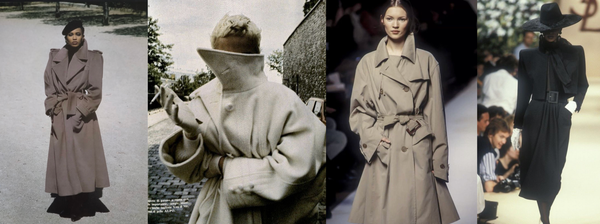
What was once considered "safe" or "classic" is now viewed as modern and desirable.
People are looking for clothing that feels meaningful rather than disposable.
This explains the growing popularity of:
- Quiet luxury
- Investment pieces
- Sustainable fashion
- Capsule wardrobes
- Second-hand shopping
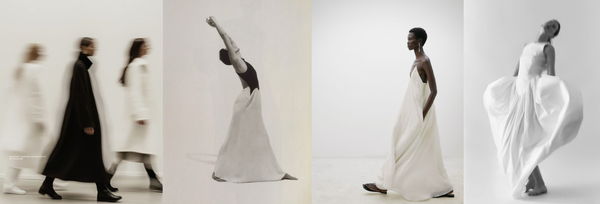
Fashion is beginning to slow itself down visually, even while digital culture continues speeding up.
The Psychology Behind Fashion Trends
Social Proof
One of the biggest reasons trends spread so quickly is a psychological principle known as social proof.
When celebrities, influencers, or large groups of people wear something, our brains interpret it as desirable.
Examples include:
- Miu Miu mini skirts
- Viral TikTok accessories
- Designer collaborations
- Limited-edition sneakers
The more people we see wearing something, the more likely we are to want it ourselves.
The Search for Novelty
Humans naturally crave new experiences.
Psychologists explain that novelty triggers the release of dopamine, a chemical associated with pleasure and reward.
Trying a new trend provides excitement and satisfaction, which explains why consumers often feel drawn toward the latest fashion craze even when they know it may be short-lived.
Fear of Missing Out (FOMO)
Fashion brands frequently use scarcity and exclusivity to encourage purchases.
Limited drops, influencer endorsements, and viral products create a fear of missing out.
Consumers may purchase products quickly because they worry:
- The item will sell out
- The trend will disappear
- They will feel excluded socially
This pressure fuels the rapid turnover of fashion trends.
The Environmental Cost of Fast Trends
While fast-moving trends create excitement, they also generate significant environmental concerns.
Research has shown:
- The average number of times a garment is worn has decreased dramatically.
- Millions of clothing items are discarded every year.
- Fast fashion encourages overproduction and overconsumption.
When trends disappear within weeks, many products quickly become unwanted.
This contributes to:
- Textile waste
- Landfill accumulation
- Resource depletion
- Increased carbon emissions
Fashion acceleration is not only changing consumer behavior—it is also increasing the industry's environmental footprint.
The Rise of Underconsumption
In response to trend fatigue, many consumers are embracing movements such as:
- Underconsumption Core
- Low-Buy Challenges
- No-Buy Years
- Sustainable Fashion
These movements encourage people to:
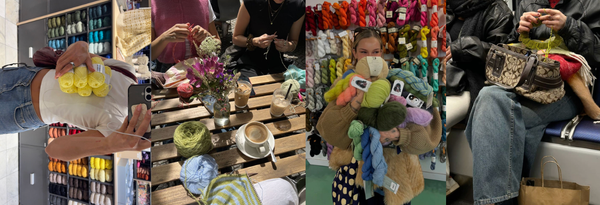
- Wear existing clothing longer
- Reduce unnecessary purchases
- Focus on personal style
- Resist constant trend chasing
Although some of these movements have themselves become trends, they reflect a growing desire for a healthier relationship with fashion.
What Does the Future of Fashion Look Like?
Fashion experts believe trends will continue moving quickly, especially online.
However, consumers may increasingly prioritize:
- Quality over quantity
- Personal style over trend following
- Sustainability over impulse buying
- Meaning over novelty
Brands that successfully combine innovation with longevity may be best positioned for the future.
The challenge is no longer identifying what is popular today. It is understanding which ideas will still matter tomorrow.
Conclusion
Fashion has entered an era of unprecedented acceleration. Social media, influencer culture, and fast fashion have compressed trend cycles from years into weeks, creating a landscape of constant change.
Yet this acceleration has also created a powerful counter-movement. Consumers are increasingly searching for permanence, emotional value, and authenticity. The faster trends appear and disappear, the more desirable timelessness becomes.
The future of fashion may not be slower, but it will likely be more conscious. Success will belong not only to brands that move quickly, but also to those that create products capable of lasting beyond the next scroll.
My Thought
Personally, I find the Fashion Acceleration Paradox fascinating because it perfectly reflects the world we live in today. We have access to more inspiration than any generation before us, yet many people feel overwhelmed rather than inspired.
I think fashion should be a tool for self-expression, not a race to keep up with every new microtrend. While trends can be exciting and creative, constantly chasing them can make fashion feel disposable and exhausting. The growing interest in vintage clothing, investment pieces, and personal style shows that many consumers are looking for something more meaningful.
In the future, I believe the most successful brands will not necessarily be the fastest. Instead, they will be the ones that create emotional connections with consumers and offer products that remain relevant long after the trend has passed.
Resources:
- Trendsuite: https://www.tiffanyhill.co.uk/post/the-fashion-acceleration-paradox-why-fashion-moves-faster-while-meaning-slows-down
- The Star: fashion-trends-are-cycling-faster-than-ever-and-gen-z-ers-are-getting-fatigued
- Vogue:
- 76ceca5f85f46ccabd62b25a484b95ea
- Fashion Times: are-fast-fashion-trends-moving-too-fast-understanding-trend-fatigue-consumer-behavior-13365
- Fashion is Psychology: the-psychology-behind-trend-cycles-why-we-cant-resist-the-latest-fashion-fads
Photos: