Fashion Brand Manager

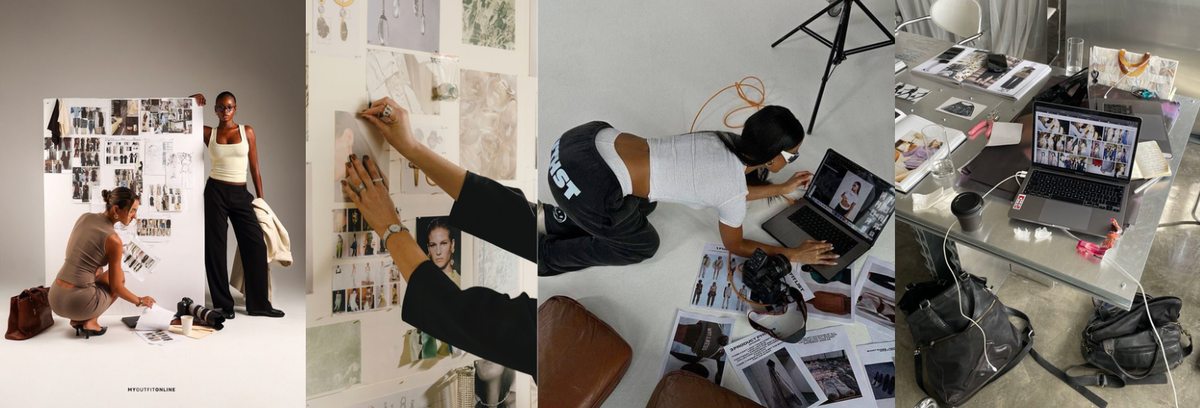
When people think about careers in fashion, the first jobs that usually come to mind are designer, stylist, or creative director. But fashion is much more than creation. Behind every successful fashion brand, there is a strong business strategy, and at the center of it is the Fashion Brand Manager.
The Fashion Brand Manager is one of the most important roles in the industry because they are responsible for building, protecting, and growing a brand’s identity.
In a world where consumers do not just buy products but also stories, values, and emotions, this role has become essential.
Who Is a Fashion Brand Manager?
A Fashion Brand Manager is the person responsible for managing the image and business strategy of a fashion brand.
Their role is to make sure that everything the brand communicates is coherent: from products to campaigns, from prices to customer experience.
They work between creativity and business.
Unlike designers, who create products, Brand Managers create strategy.
Their goal is simple: increase brand value and make the brand stronger in the market.
For example, when you think about Gucci, Prada, or Dior, you immediately associate them with strong identities.
That consistency is the work of Brand Managers.
What Does a Fashion Brand Manager Do?
The Fashion Brand Manager has many responsibilities because they oversee the global vision of the brand.
1. Defining Brand Identity
The first mission is understanding the brand’s DNA:
- history
- values
- mission
- target audience
- positioning
They make sure the brand stays true to itself.
2. Building Strategy
They define business strategies for:
- product launches
- pricing
- collections
- communication
- distribution
Every business decision must support the brand image.
3. Market Research
Fashion changes constantly.
Brand Managers study:
- trends
- competitors
- consumer behavior
- new market opportunities
They must always stay ahead.
4. Managing Communication
They work closely with:
- marketing teams
- PR teams
- digital teams
- creative teams
Their role is to ensure consistency across all communication channels.
5. Monitoring Performance
A Brand Manager analyses:
- sales performance
- brand perception
- campaign results
- customer feedback
If something doesn’t work, they adapt.
6. Managing Budgets
Fashion is creativity, but also business.
Brand Managers control investments and budgets to maximise results.
What Skills Are Needed?
To succeed as a Fashion Brand Manager, you need both hard and soft skills.
- Project Management Skills
A Brand Manager handles multiple projects at once.
Campaigns, launches, meetings, deadlines.
Organization is crucial.
- Business Mindset
Fashion is an industry.
Profitability matters.
Understanding finance, budgets, and pricing is essential.
- Creativity
Not in designing clothes.
But in strategy.
Creating innovative campaigns and strong storytelling requires creative thinking.
- Marketing Knowledge
Branding and marketing are deeply connected.
Understanding consumer behavior and brand positioning is key.
- Communication Skills
This role connects many departments.
Strong communication makes collaboration easier.
- Fashion Industry Knowledge
Understanding trends and the market is essential.
Reading Vogue Business, Business of Fashion, and WWD helps.
- Flexibility
Fashion evolves fast.
Strategies must evolve too.
Adaptability is necessary.
What Should You Study?
The interesting part is:
You do not need a fashion degree.
Most Brand Managers study:
- business
- marketing
- economics
- management
- communication
Then they specialize in fashion.
Specialized schools include:
Istituto MarangoniDomus AcademyItalian Institute of Fashion Management
But experience matters more than diplomas.
How Do You Start?
Brand Manager is not an entry-level position.
You usually begin with internships.
Examples:
- marketing intern
- PR intern
- e-commerce intern
- project assistant
- merchandising assistant
These positions help build experience.
Over time, you move up.
Career Evolution
A Fashion Brand Manager can evolve into higher strategic positions:
- Marketing Director
- Brand Strategist
- Global Brand Director
- Chief Marketing Officer (CMO)
This makes it a strong long-term career.
Luxury Brand Management
Luxury fashion branding is even more strategic.
Luxury brands sell exclusivity and heritage.
A Luxury Brand Manager focuses on:
- prestige
- desirability
- heritage
- global expansion
Luxury sectors include fashion, jewelry, watches, and cars.
Brands like Louis Vuitton and Chanel rely heavily on this.
The Difficult Side of the Job
This job sounds exciting.
But it comes with real challenges.
- Pressure
Deadlines are constant.
Fashion moves fast.
Mistakes can impact the whole brand.
- Competition
The industry is extremely competitive.
Standing out is difficult.
- Responsibility
A bad strategy can hurt sales and image.
The responsibility is high.
- Constant Adaptation
Consumer behavior changes quickly.
Strategies must constantly evolve.
- Workload
Managing many departments and projects at the same time can be exhausting.
Why This Job Matters Today
Today, fashion brands are more powerful than ever.
Social media has increased visibility.
Consumers expect strong values, consistency, and authenticity.
Brand Managers are the people ensuring that.
They shape how the world sees a brand.
And in many ways, they shape culture.
My Thought
What I find most interesting about the Fashion Brand Manager role is that it combines two worlds that usually seem opposite: creativity and business.
It is a role where strategy directly influences emotions.
I think it is one of the most intelligent ways to enter the fashion industry because it gives you a complete understanding of how a brand functions.
But it is also a demanding job.
You carry the responsibility of the brand image, which means your decisions have real impact.
Personally, I think this role will become even more important in the future because brands are no longer just selling products, they are selling identity.
And someone has to build that identity.
Resources:
- Galm Observer : what-is-fashion-branding-and-how-to-become-a-brand-manager
- Instituto Marangoni: how-to-become-fashion-luxury-brand-manager
- IIFM: brand-manager-who-they-are-what-they-do-and-how-to-become-one
- Domus Academy Milano: how-to-become-fashion-brand-manager
Photos: