The History of Linen

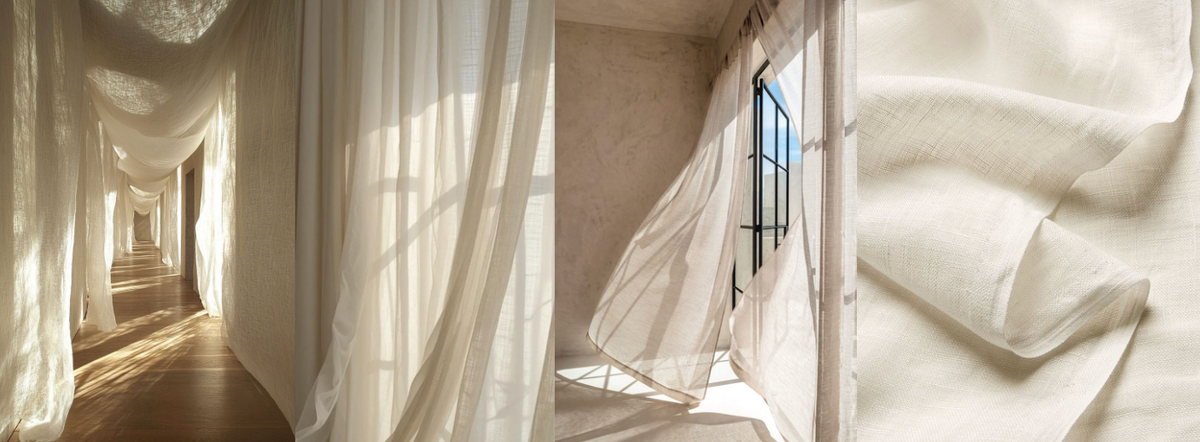
Linen is one of humanity’s oldest known fabrics. Archaeologists discovered dyed flax fibers in caves in Georgia dating back around 36,000 years, showing that prehistoric people were already experimenting with flax fibers.
Later, linen became essential in ancient civilizations:
- Mesopotamia: Linen was mostly used by wealthy people and priests.
- Ancient Egypt: Linen was everywhere clothing, burial cloths, and mummy wrappings.
- Ancient Greece: Linen was used for garments and household textiles.
- Biblical Times: Linen is frequently mentioned as a symbol of purity.
By the Middle Ages, Europe had developed a large linen trade, especially in Germany, Ireland, and Belgium.
The Rise of Ireland: “Linenopolis”
In the 18th century, Ireland became the center of linen production. Belfast was so famous for linen manufacturing that it earned the nickname “Linenopolis.”
For centuries, linen was one of Europe’s most valuable textiles until cotton became cheaper and easier to produce.
How Linen is Made
Linen production is long and labor-intensive.
- The Process
- Planting
- Flax grows in cool weather and is usually ready in about 100 days.
- Harvesting
- Unlike cotton, flax plants are often pulled out entirely to preserve fiber length.
- Retting
- The stalks are soaked so bacteria can break down the plant material and separate fibers.
- Breaking and Scutching
- Machines crush the stalks and remove woody parts.
- Combing
- The fibers are combed into long smooth strands.
- Spinning
- The fibers are spun into yarn.
- Weaving
- The yarn is woven into linen fabric.
- This process explains why linen costs more than cotton.
The Main Properties of Linen
- Breathability
- Linen allows air to circulate, making it ideal for summer clothing.
- Absorbency
- It can absorb up to 20% of its weight in moisture without feeling wet.
- Strength
- Linen is up to three times stronger than cotton.
- Durability
- It can last decades if cared for properly.
- Hypoallergenic
- Perfect for sensitive skin.
- Biodegradable
- Unlike synthetic fabrics, linen naturally decomposes.
The Different Types of Linen
- Damask Linen
- Elegant and decorative, often used in luxury home decoration.
- Plain-Woven Linen
- Strong and practical, used for towels and kitchen textiles.
- Loosely-Woven Linen
- Highly absorbent but less durable.
- Sheeting Linen
- Soft and smooth, ideal for clothing and bedding.
How Linen is Used Today
- Fashion
- Shirts, pants, dresses, suits, skirts.
- Linen is especially loved in warm countries because it stays cool.
- Home Textiles
- Bedsheets, curtains, napkins, tablecloths.
- Its temperature-regulating qualities make it excellent for bedding.
- Art
- Professional painters often prefer linen canvas over cotton.
- Industrial Uses
- Sailcloth, ropes, luggage, thread.
- Baking
- Bakers use linen cloth (“couche”) to shape bread dough.
Linen vs Cotton
Cotton is easier for daily care, but linen is often considered higher quality.
The Negative Side of Linen
It’s important to talk about linen’s limits too.
- Expensive
- Linen costs more because production takes more time and work.
- Wrinkles Easily
- Its poor elasticity makes it wrinkle very quickly.
- For some people, this natural wrinkled look is beautiful. For others, it feels messy.
- Hard to Produce
- The manufacturing process is complex and slower than cotton.
- Environmental Concerns
- While linen is sustainable, some manufacturers use chemical retting, which can pollute water and damage ecosystems.
- Soil Damage
- Large-scale flax farming can contribute to soil erosion.
- Labor Issues
- Like many textile industries, some linen production involves poor working conditions.
- Sustainability depends on how the linen is produced.
Is Linen Sustainable?
Overall: yes.
Compared to synthetic fabrics:
- biodegradable
- less water consumption than cotton
- fewer pesticides
But true sustainability depends on:
- water retting instead of chemical retting
- fair labor practices
- organic farming
Look for certifications like:
- USDA Organic
- EU Organic
- OEKO-TEX
How to Care for Linen
- Washing
- Cold water, gentle cycle.
- Drying
- Air drying is best.
- Ironing
- Iron while damp for best results.
- Storage
- Keep in a cool dry place.
- Good care makes linen softer and stronger over time.
My Thought
Personally, I think linen is one of the most fascinating fabrics because it combines history, luxury, and practicality. It has survived for over 30,000 years, which says a lot about its value. I love how natural and breathable it feels, especially in summer, and how it becomes softer over time.
What I find interesting is that linen is imperfect, it wrinkles, it costs more, and it takes effort to maintain. But maybe that’s exactly what makes it beautiful. In a world full of fast fashion and synthetic materials, linen feels authentic.
For me, linen represents a slower and more conscious way of consuming fashion: buying less, but buying better.
Resources :
- Wikipedia: Linen
- Sewport: linen-fabric
- Peacock Alley: what-is-linen-fabric
Photos: