“Fashion References Explained” Cinema References in Fashion Campaigns

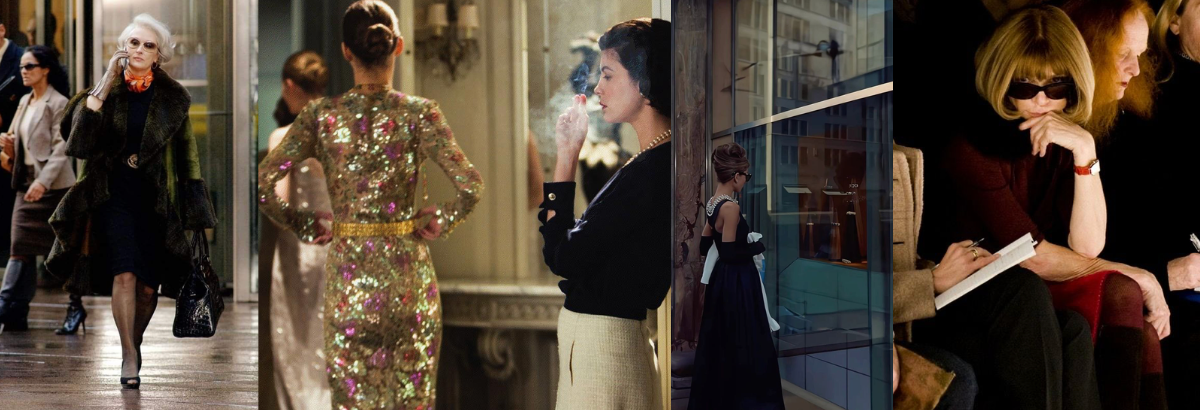
Fashion and cinema have shared a close relationship since the birth of film. Both industries rely on visual storytelling, emotion, and creativity to captivate audiences. While cinema uses clothing to define characters and create memorable scenes, fashion often draws inspiration from films, directors, and actors to create campaigns and collections. Together, they have built some of the most iconic images in popular culture.
From Audrey Hepburn's little black dress to the perfectly tailored suits of James Bond, fashion and cinema continue to influence one another, creating trends that last for generations.
The Historical Relationship Between Fashion and Film
The connection between fashion and cinema is not a modern phenomenon. Even before the invention of film, theatre productions relied heavily on costumes to communicate character, status, and emotion.
When cinema emerged in the late nineteenth century, costume design became an essential part of storytelling. Clothing helped audiences understand characters without dialogue. This importance remains so significant today that major film awards include categories dedicated to costume design.
Fashion houses quickly realized that films provided a unique opportunity to showcase their creations to a global audience. At the same time, designers helped create the public image of actors and actresses, making the relationship mutually beneficial.
One of the most famous examples is the collaboration between Hubert de Givenchy and Audrey Hepburn. Their partnership began with Sabrina in 1954 and forever changed the relationship between luxury fashion and Hollywood.
Fashion Houses Inspired by Cinema
Givenchy and Audrey Hepburn
The partnership between Givenchy and Audrey Hepburn remains one of the most legendary collaborations in fashion history. Hepburn's elegance perfectly embodied Givenchy's refined aesthetic.
Her iconic looks in films such as Breakfast at Tiffany's transformed both her image and the brand's reputation, creating a timeless vision of sophistication.
Saint Laurent and French Cinema
Yves Saint Laurent developed strong relationships with many French film stars, particularly Catherine Deneuve.
The costumes designed for Belle de Jour (1967) became some of the most recognizable representations of Saint Laurent's aesthetic. More recently, Saint Laurent has expanded its involvement in cinema by producing films and collaborating with directors such as Pedro Almodóvar.
Prada's Cinematic Universe
Prada has maintained a long-standing connection with cinema. Miuccia Prada designed costumes for Baz Luhrmann's Romeo + Juliet and later contributed to The Great Gatsby.
The brand frequently features actors in runway shows and campaigns, strengthening its image as a fashion house closely linked to film culture.
The Wes Anderson Effect: When Cinema Influences Fashion
Few modern directors have influenced fashion as much as Wes Anderson.
His films are known for their symmetrical compositions, pastel color palettes, vintage-inspired costumes, and carefully curated aesthetics. These visual characteristics have become instantly recognizable and highly influential.
Today, Anderson's style can be seen everywhere:
- Fashion campaigns
- Interior design
- Social media photography
- Advertising campaigns
- Instagram trends
Brands such as Gucci have embraced elements of the "Wes Anderson aesthetic" to create campaigns that feel nostalgic, artistic, and whimsical.
The Instagram account "Accidentally Wes Anderson" demonstrates how strongly his visual language has entered popular culture.
Iconic Fashion Brands Made Famous by Movies
Breakfast at Tiffany's and Chanel
Audrey Hepburn's famous black dress became one of the most recognizable outfits in film history.
The film helped reinforce Chanel's image as the embodiment of timeless elegance and sophistication.
The Devil Wears Prada and Prada
Through Miranda Priestly's powerful wardrobe, Prada became associated with ambition, success, and authority.
The film transformed the brand into a symbol of professional power within the fashion industry.
Sex and the City and Manolo Blahnik
Carrie Bradshaw's obsession with Manolo Blahnik shoes turned the brand into a global phenomenon.
The shoes became symbols of aspiration, romance, and modern city life.
Pretty Woman and Versace
Julia Roberts' stunning transformation showcased the glamorous side of Versace and demonstrated how clothing can symbolize personal growth and confidence.
James Bond and Tom Ford
Tom Ford's suits became essential to the modern James Bond image.
The brand successfully combined luxury, masculinity, and sophistication.
Clueless and Chanel & Moschino
Clueless brought luxury fashion into teenage culture, presenting designer clothing in a fun and accessible way.
The film remains one of the most influential fashion movies of the 1990s.
The Great Gatsby and Brooks Brothers
The film revived interest in 1920s fashion and showcased Brooks Brothers' elegant tailoring.
The brand became closely associated with the glamour and excess of the Jazz Age.
Ocean's 8 and Cartier
The Cartier necklace served as the central object of the story, transforming jewelry into both a fashion statement and a narrative element.
A Single Man and Gucci
Gucci's subtle elegance perfectly reflected the film's emotional depth and visual sophistication.
Call Me by Your Name and Prada & Missoni
The relaxed styling helped create the film's nostalgic atmosphere and demonstrated how fashion can enhance storytelling without dominating it.
Why Fashion and Cinema Work So Well Together
Fashion and cinema are both forms of artistic expression.
They share several key characteristics:
- Visual storytelling
- Emotional communication
- Identity creation
- Cultural influence
- Artistic innovation
Clothing allows filmmakers to communicate personality, social status, emotions, and historical context. Likewise, cinema provides fashion brands with a powerful platform to reach new audiences and create lasting cultural impact.
When these two worlds collaborate successfully, they create images that remain unforgettable long after a film's release.
The Limits and Criticisms of Fashion in Cinema
Despite their successful relationship, fashion and cinema also face criticism.
Commercialization
Many critics argue that luxury brands increasingly use films as marketing tools. Product placement can sometimes distract audiences from storytelling.
Unrealistic Beauty Standards
Fashion-focused films often promote idealized lifestyles and appearances that can create unrealistic expectations for viewers.
Exclusivity
Luxury fashion remains inaccessible to most people due to its high cost. Films may glamorize products that are financially unattainable for the majority of audiences.
Overuse of Aesthetics
The popularity of visual styles such as the Wes Anderson aesthetic has led some critics to argue that creativity can become repetitive when copied too frequently.
Conclusion
Fashion and cinema have influenced each other for over a century. Together, they create some of the most memorable cultural moments in history.
Whether through Audrey Hepburn's elegance, James Bond's tailoring, or Wes Anderson's carefully crafted worlds, fashion continues to help define the stories we watch and the trends we follow.
Their relationship demonstrates the power of visual storytelling and proves that clothing is much more than fabric, it is a language capable of shaping culture itself.
My Thought
Personally, I believe that fashion and cinema are among the most powerful forms of artistic expression because they tell stories without always needing words. Some of the most memorable moments in film history are remembered as much for their clothing as for their dialogue.
What fascinates me most is how a single outfit can influence generations, inspire designers, and even become part of popular culture. At the same time, I think it is important to remain critical of the commercialization and unrealistic standards that can result from this relationship.
Overall, the connection between fashion and cinema continues to evolve, and I believe it will remain one of the most exciting intersections between art, culture, and creativity.
Recources:
- Ottodisanpietro: cinema-is-in-fashion
- The guardian: from-gucci-ads-to-instagram-fads-how-the-wes-anderson-aesthetic-took-over-the-world
- SGMC Brand: legendary-fashion-brands-in-movies
Pictures: