“Fashion Vocabulary” What Is Couture?

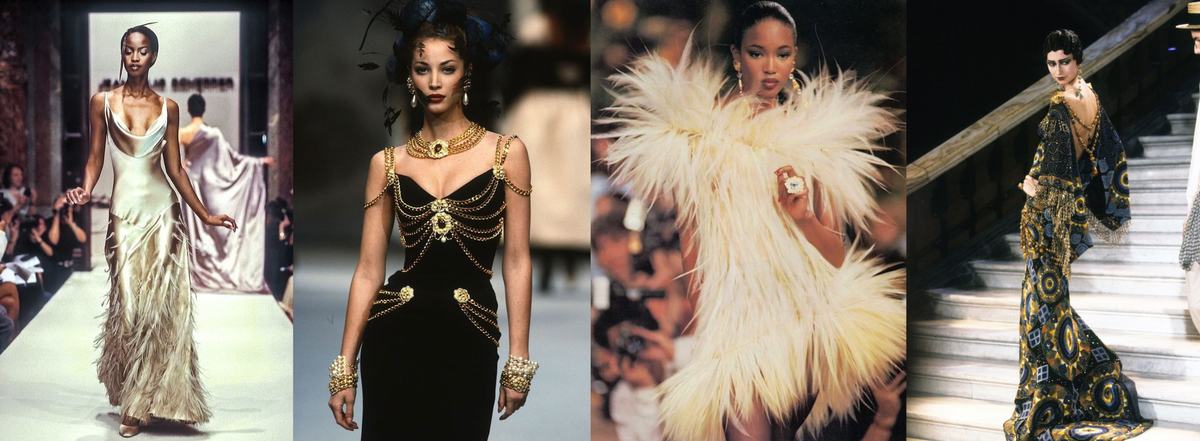
Haute couture is one of the most prestigious and misunderstood concepts in fashion. The term is often used to describe luxury clothing, expensive designer garments, or runway creations. However, true haute couture is much more than that. It represents the highest level of craftsmanship, exclusivity, and creativity in the fashion industry.
From custom-made gowns worn by celebrities to the meticulous work of hundreds of artisans, haute couture continues to fascinate fashion enthusiasts around the world. But what exactly is haute couture, and why does it remain relevant in today's fashion landscape?
The Meaning of Haute Couture
The term "haute couture" comes from French.
- Haute means "high" or "elevated."
- Couture means "dressmaking" or "sewing."
Together, the phrase translates to "high dressmaking."
Haute couture refers to garments that are custom-made for a specific client. Unlike ready-to-wear clothing, each piece is designed, fitted, and crafted individually. These garments often require hundreds or even thousands of hours of work and are made using the finest materials available.
The concept of couture dates back centuries, but the modern system is largely credited to Charles Frederick Worth, an English designer working in Paris during the nineteenth century. His attention to craftsmanship, luxurious fabrics, and perfect fit established many of the standards that define couture today.
Why Is Haute Couture Important?
Although haute couture serves only a very small number of clients, it plays an important role in fashion.
A Celebration of Craftsmanship
Every couture garment showcases extraordinary technical skills. Embroidery, beading, tailoring, and hand-finishing techniques are often performed by artisans who have spent decades mastering their craft.
A Laboratory for Creativity
Haute couture allows designers to experiment without the commercial limitations of ready-to-wear fashion. Many innovative ideas first appear in couture collections before influencing mainstream fashion.
Cultural and Artistic Value
Beyond clothing, couture is often considered wearable art. Fashion houses use couture collections to express creativity, tell stories, and preserve traditional craftsmanship.
Red Carpet Influence
Many couture designs are created for celebrities, royalty, and high-profile clients. Major events such as film festivals and award ceremonies often feature couture creations that influence fashion trends worldwide.
The Strict Rules of Haute Couture
One of the reasons haute couture is so prestigious is because the term is legally protected in France.
Not every luxury fashion brand can call itself a couture house. To receive official haute couture status, a fashion house must meet strict requirements established by the French fashion authorities.
These include:
- Designing made-to-order garments for private clients.
- Providing multiple fittings for each client.
- Maintaining a workshop with highly skilled artisans.
- Employing a significant number of full-time technical staff.
- Presenting at least fifty original daywear and eveningwear designs during each couture season.
These requirements ensure that haute couture remains a symbol of excellence rather than simply a marketing term.
The Couture Creation Process
Creating a couture garment is a long and highly detailed process.
Step 1: Consultation
The client meets with the fashion house to discuss ideas, fabrics, colors, and silhouettes.
Step 2: Measurements
Precise body measurements are taken to ensure a perfect fit.
Step 3: Design Development
Design sketches are created and refined according to the client's wishes.
Step 4: Construction
Artisans begin creating the garment by hand using specialised techniques.
Step 5: Fittings
Several fittings are conducted to make adjustments and perfect the garment.
Step 6: Final Delivery
After weeks or even months of work, the finished piece is delivered to the client.
Because of this intensive process, couture garments can cost tens of thousands, or even hundreds of thousands, of dollars.
The Designers and Fashion Houses of Haute Couture
Only a select number of fashion houses are recognized as official haute couture members.
Some of the most famous couture houses include:
- Chanel
- Christian Dior
- Givenchy
- Maison Margiela
- Schiaparelli
- Jean Paul Gaultier
- Giambattista Valli
Membership is difficult to obtain and can also be revoked if a house no longer meets the required standards.
The Future of Haute Couture
Despite predictions that couture would disappear with the rise of ready-to-wear fashion, it continues to thrive.
Social media has introduced couture to a new audience. Platforms such as Instagram, TikTok, and YouTube allow millions of people to admire creations that were once only seen by an exclusive elite.
At the same time, fashion organizations are working to attract younger generations through educational programs and greater transparency.
The future of couture will likely balance tradition and innovation, preserving artisanal skills while embracing new technologies and audiences.
The Limits and Criticisms of Haute Couture
While haute couture is admired for its beauty and craftsmanship, it is not without criticism.
Extreme Cost
The price of couture makes it accessible only to a tiny percentage of the world's population.
Exclusivity
Only a few thousand people worldwide are considered couture clients, making it one of the most exclusive sectors of fashion.
Misuse of the Term
Many brands and consumers incorrectly use the word "couture" to describe luxury clothing that does not meet official haute couture standards.
Sustainability Questions
Although couture garments are generally made to last, the fashion industry as a whole continues to face questions about resource consumption and environmental impact.
These criticisms remind us that while couture is an artistic achievement, it also exists within broader social and economic realities.
My Thought
What I find most fascinating about haute couture is that it represents the purest form of fashion as an art. In a world increasingly driven by mass production and fast consumption, couture shows the value of craftsmanship, patience, and creativity.
At the same time, I think it is important to recognize its limits. Haute couture remains inaccessible to most people, and its exclusivity can sometimes make it feel disconnected from everyday fashion.
However, even if few people can purchase couture, its influence reaches everyone. The ideas, techniques, and creativity developed in couture collections often inspire trends that eventually become part of mainstream fashion. For me, haute couture is not just about luxury, it is about preserving the artistry and imagination that make fashion so fascinating.
Resources:
- Russh: what-is-haute-couture
- Sinonymio: synonyms-of-couture
- Khaleejesque: the-intricate-world-of-haute-couture
- BOF: fashion-a-z
Pictures: