Helmut Lang and the Birth of Modern Minimalism

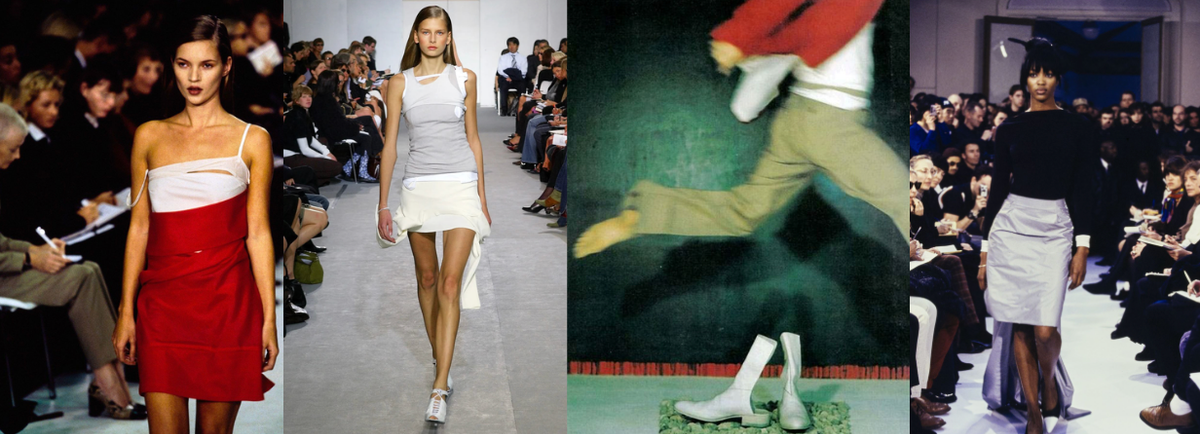
Few designers have influenced contemporary fashion as profoundly as Helmut Lang. During the 1990s, when fashion was moving away from the excess and glamour of the 1980s, Lang introduced a new vision based on simplicity, functionality, and modernity. His work helped define an entire generation and continues to inspire designers today.
More than just a minimalist designer, Helmut Lang challenged traditional fashion rules, pioneered new ways of presenting collections, and blurred the boundaries between fashion, art, and technology. His legacy remains visible in many of today's trends, from quiet luxury to utilitarian fashion.
From Vienna to Fashion Revolution
Born in Vienna in 1956, Helmut Lang was largely self-taught. Unlike many luxury designers who emerged from prestigious fashion schools, Lang developed his skills independently and approached fashion from an unconventional perspective.
His early experiences exposed him to both bourgeois dress codes and underground subcultures. This dual influence would later become one of the defining characteristics of his work, allowing him to merge elegance with rebellion.
Lang launched his fashion career in Vienna before presenting his first Paris show in 1984. By the 1990s, his distinctive aesthetic had gained international recognition.
What Made Helmut Lang Different?
Minimalism Reimagined
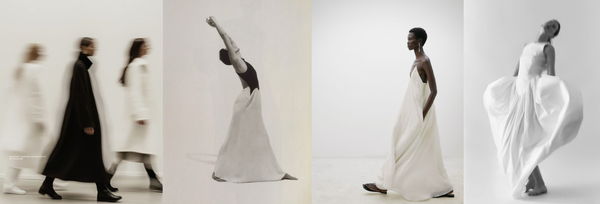
Helmut Lang is often associated with minimalism, but many fashion historians argue that "essentialism" is a more accurate description.
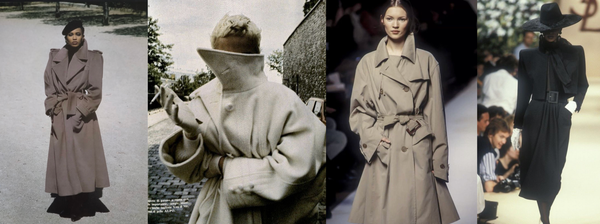
Rather than simply removing details, Lang focused on highlighting the essential elements of a garment. His designs featured:
- Clean silhouettes
- Neutral color palettes
- Precise tailoring
- Functional details
- Modern proportions
His clothing felt effortless, sophisticated, and contemporary.
Mixing Simplicity with Edge
Although his collections appeared simple at first glance, they often contained unexpected elements such as:
- Bondage straps
- Transparent fabrics
- Leather accents
- Utility-inspired details
- Industrial materials
This combination created a unique tension between elegance and rebellion.
A Pioneer Ahead of His Time
Helmut Lang constantly introduced ideas that would later become industry standards.
Fashion and Technology
Long before digital fashion became common, Lang experimented with technology:
- He became one of the first designers to livestream a runway presentation.
- His Fall/Winter 1998 collection was distributed online and through CD-ROMs.
- He launched one of the earliest designer websites.
Today, these practices are considered normal, but at the time they were revolutionary.
Reinventing Fashion Shows
Lang transformed the runway experience by:
- Presenting men's and women's collections together.
- Casting people with unique personalities rather than only traditional supermodels.
- Creating dynamic show formats instead of the standard catwalk presentation.
His shows felt more like cultural experiences than commercial presentations.
Changing Fashion Month Forever
One of Lang's most influential decisions was moving his show schedule earlier.
His choice prompted other New York designers, including Calvin Klein and Donna Karan, to follow his lead. As a result, New York Fashion Week moved ahead of the European shows, establishing the fashion calendar structure that still exists today.
Fashion, Art, and Collaboration
Helmut Lang never viewed fashion as a standalone discipline.
Throughout his career, he collaborated with major artists including:
- Louise Bourgeois
- Jenny Holzer
- Robert Mapplethorpe
These collaborations appeared in stores, advertising campaigns, runway presentations, and even fragrances.
His work demonstrated that fashion could function as a cultural conversation rather than simply a commercial product.
The Influence We Still See Today
Many designers and brands continue to draw inspiration from Helmut Lang's ideas.
His influence can be seen in:
- Quiet luxury aesthetics
- Utilitarian fashion
- Technical fabrics
- Slim tailoring
- Gender-fluid styling
- Minimal branding
Designers such as Hedi Slimane, Matthew Williams, Telfar, and many contemporary luxury brands have built upon concepts that Lang introduced decades earlier.
The Limits and Criticisms of Helmut Lang's Approach
While Helmut Lang's impact is undeniable, his approach also had limitations.
Minimalism Can Feel Exclusive
The understated nature of his designs often appealed to fashion insiders and luxury consumers, making some collections feel inaccessible to the broader public.
Commercial Challenges
After the Prada Group acquired a significant stake in his company, tensions emerged regarding the brand's commercial direction.
The focus on accessories and expansion reportedly conflicted with Lang's creative vision, illustrating the ongoing struggle between artistic integrity and business growth.
A Difficult Legacy to Preserve
After Lang left fashion in 2005, many observers argued that his brand struggled to maintain the same level of innovation and cultural relevance without its founder.
This highlights how closely the brand's identity was tied to his personal vision.
Why Helmut Lang Still Matters
More than twenty years after his most influential collections, Helmut Lang remains one of fashion's most important innovators.
His work helped redefine luxury, challenge traditional beauty standards, integrate technology into fashion, and create a new visual language based on authenticity and functionality.
Many of today's fashion movements, from quiet luxury to modern minimalism, can trace their roots back to the ideas Lang introduced during the 1990s.
My Thought
What fascinates me most about Helmut Lang is that he never seemed interested in following fashion trends. Instead, he focused on creating something honest and meaningful. While many designers chase attention through logos and spectacle, Lang proved that simplicity can be just as powerful.
His career also reminds us that true innovation often comes from people willing to challenge existing rules. Even though he left fashion more than twenty years ago, his influence remains everywhere. For me, Helmut Lang is not simply a designer; he is one of the architects of modern fashion as we know it today.
Resources
- L’Officiel: helmut-lang-designer-career-90s-minimalism-fashion-month
- NNS Magazine: helmut-lang-minimal-story
- AnOther: helmut-lang-vienna-exhibition-minimalism-jenny-holzer-louise-bourgeois
Photo: