Steven Meisel: The Architect of Fashion Fantasy

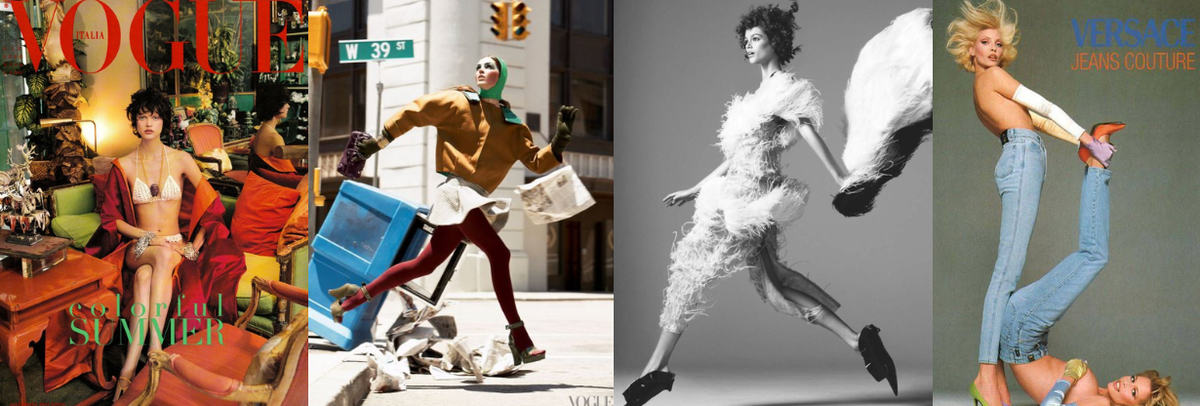
Few photographers have shaped the visual language of fashion as profoundly as Steven Meisel. For more than four decades, his images have defined beauty, glamour, controversy, and storytelling in the fashion industry. From launching the careers of legendary supermodels to creating some of the most memorable editorials in fashion history, Meisel has become one of the most influential photographers of all time.
Yet his legacy extends far beyond beautiful images. His work explores themes of power, identity, race, celebrity culture, and society's obsession with appearance. At the same time, some of his most famous projects have sparked criticism and debate, proving that fashion photography can be both artistic and controversial.
Who Is Steven Meisel?
Born on June 5, 1954, in New York City, Steven Meisel developed an interest in fashion at a very young age. Rather than playing with toys, he spent hours sketching models from fashion magazines.
He studied at the High School of Art and Design before attending Parsons School of Design, where he specialized in fashion illustration. Before becoming a photographer, Meisel worked as an illustrator for Women's Wear Daily and taught illustration classes at Parsons.
His transition to photography happened gradually. While working as an illustrator, he began photographing models in his spare time. Those early images eventually led to assignments from fashion magazines and launched one of the most influential careers in fashion photography.
The Rise of a Fashion Visionary
Meisel's first Vogue cover appeared in British Vogue in 1986. Soon afterward, he became one of the defining creative forces behind Vogue Italia, where he photographed covers and editorials for nearly three decades.
Unlike photographers who simply document clothing, Meisel creates complete visual worlds. His photographs often resemble scenes from films, featuring carefully designed sets, dramatic storytelling, and strong emotional tension.
His images are instantly recognizable because they combine:
- Cinematic storytelling
- Luxury and fantasy
- Strong female characters
- Detailed set design
- Social commentary
- High-fashion aesthetics
Many critics describe Meisel as a director as much as a photographer, since every image feels like a scene from a larger story.
The Supermodel Era
During the late 1980s and 1990s, Meisel played a crucial role in the rise of the supermodel phenomenon.
He worked closely with iconic models such as:
- Naomi Campbell
- Linda Evangelista
- Christy Turlington
- Karen Elson
- Amber Valletta
- Natalia Vodianova
Many of today's most recognizable models were either discovered or significantly promoted through his work.
What made Meisel unique was his ability to transform models into characters. Rather than simply posing them, he coached expression, posture, attitude, and personality. Models often describe working with Meisel as collaborative and transformative.
Fashion as Storytelling
One of Meisel's greatest contributions is his belief that fashion photography can tell stories.
His editorials often explore themes such as:
Celebrity Culture
Meisel frequently satirized fame, paparazzi culture, and society's obsession with celebrities.
Beauty Standards
His work has questioned plastic surgery, cosmetic enhancement, and unrealistic beauty ideals.
Gender and Identity
Several editorials explored masculinity, femininity, and the ways society objectifies both women and men.
Consumerism and Luxury
Many of his images critique the excesses of wealth and fashion while simultaneously celebrating their visual appeal.
This duality is what makes Meisel's work so compelling: he often critiques the very industry he works within.
Fighting Racism in Fashion
One of Meisel's most important projects was the July 2008 "Black Issue" of Vogue Italia.
The entire issue featured Black models and was created as a response to the lack of diversity in the fashion industry.
The issue became the best-selling edition in Vogue Italia's history and generated international discussion about racial representation in fashion.
However, Meisel himself later expressed disappointment. Despite the issue's success, he felt that the fashion industry failed to make lasting changes. He openly criticized the industry's continued lack of diversity and described fashion as deeply resistant to change.
This project remains one of the strongest examples of fashion photography being used as a platform for social commentary.
Collaborations with Fashion's Biggest Names
Throughout his career, Meisel has worked with many of the world's most influential brands.
These include:
- Versace Official Website
- Prada Official Website
- Dolce & Gabbana Official Website
- Valentino Official Website
- Calvin Klein Official Website
- Louis Vuitton Official Website
- Zara Official Website
He also collaborated extensively with Madonna, photographing the iconic 1992 book Sex and numerous magazine covers and campaigns.
These collaborations helped establish Meisel as one of the most commercially successful photographers in fashion history.
Controversies and Criticism
While Meisel's work is widely admired, it has also generated significant controversy.
Glamorizing Serious Issues
Several editorials were criticized for presenting difficult subjects through a glamorous fashion lens.
Examples include:
- War-inspired editorials
- Rehabilitation and addiction-themed shoots
- Plastic surgery-themed editorials
- Police brutality-inspired imagery
Critics argued that these projects risked trivializing serious issues.
The "State of Emergency" Editorial
One of his most controversial projects depicted models interacting with armed police officers in scenes that some critics felt eroticized violence and authority.
The Iraq War-Inspired Editorial
Another editorial featured models dressed in luxury fashion while surrounded by military imagery. Critics accused Meisel of glamorizing conflict and violence.
His Defense
Meisel consistently argued that these projects were not endorsements. Instead, he described them as social commentary intended to force viewers to confront uncomfortable realities.
This tension between artistic expression and public interpretation remains one of the defining debates surrounding his career.
Why Steven Meisel Matters
Steven Meisel's influence reaches far beyond photography.
His impact can be seen in:
- Modern fashion editorials
- Luxury advertising campaigns
- Supermodel culture
- Visual storytelling
- Conversations about diversity in fashion
- The relationship between fashion and social commentary
Many industry insiders believe that trends often begin with Meisel's editorials before appearing on runways and in advertising campaigns.
His ability to shape not only fashion imagery but fashion itself is a rare achievement.
The Limits of His Legacy
Although Meisel is considered a visionary, there are limitations worth discussing.
Fashion's Structural Problems
Despite his efforts to address issues such as racism and representation, many of the industry's underlying problems remain unresolved.
Dependence on Luxury Fantasy
Much of his work celebrates wealth, exclusivity, and aspiration. While visually stunning, these ideals can feel disconnected from everyday realities.
Controversial Storytelling
Some critics argue that provocative imagery can sometimes overshadow the message it intends to communicate.
This raises an important question: when does social commentary become exploitation?
The debate surrounding Meisel's work demonstrates that powerful images can inspire conversation but can also be interpreted in very different ways.
Conclusion
Steven Meisel is more than a fashion photographer. He is a visual storyteller, cultural commentator, and creative force who helped define modern fashion imagery.
His photographs blend fantasy and reality, beauty and critique, glamour and controversy. Whether celebrating supermodels, challenging industry norms, or provoking difficult conversations, Meisel has consistently pushed fashion photography beyond simple documentation.
Few photographers have left such a lasting imprint on both fashion and visual culture.
My Thought
What fascinates me most about Steven Meisel is his ability to create images that feel both beautiful and uncomfortable at the same time. Many fashion photographers capture clothing, but Meisel captures ideas. His work forces us to think about beauty, status, power, identity, and society's obsessions.
At the same time, I think it is important to acknowledge the criticisms surrounding some of his projects. Fashion has tremendous cultural influence, and when sensitive subjects are transformed into luxury imagery, the line between commentary and glorification can become blurred.
Whether you love or dislike some of his work, one thing is undeniable: Steven Meisel changed fashion photography forever. His images continue to influence designers, photographers, models, and audiences around the world.
Resources:
- The guardian: art.artsfeatures
- 032c: who-is-steven-meisel
- Wikipedia: Steven_Meisel
Pictures: