The New Rise in Second-Hand Buying

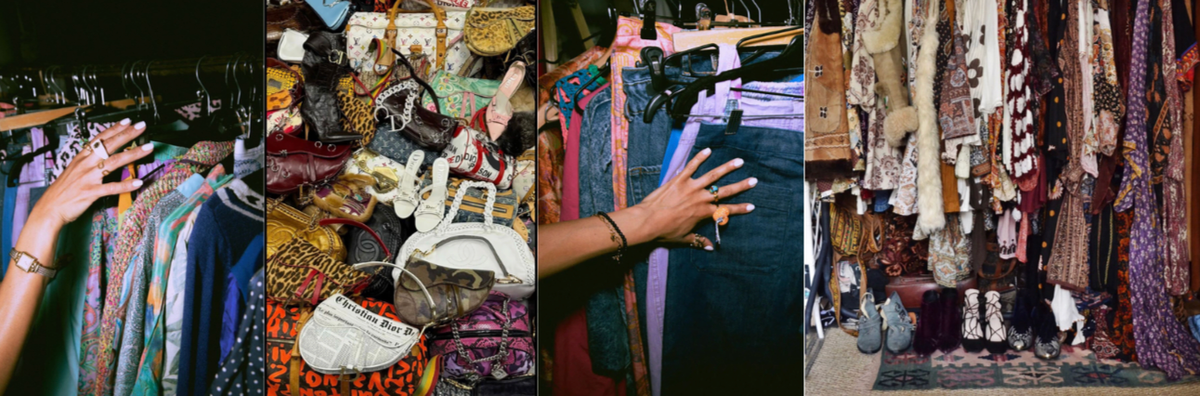
In recent years, second-hand fashion has undergone a remarkable transformation. Once associated with bargain hunters or vintage lovers, thrift shopping is now a dominant force shaping the global fashion industry. From sustainability concerns to cultural shifts driven by Gen Z, second-hand fashion is no longer an alternative, it’s becoming the norm.
But what is really driving this change? And why are more people choosing pre-loved clothing over fast fashion?
Sustainability
One of the biggest reasons behind the rise of second-hand fashion is the growing awareness of environmental issues.
The fashion industry is one of the world’s largest polluters, contributing to:
- Water waste
- Carbon emissions
- Textile waste
Second-hand shopping directly addresses these problems by extending the life cycle of garments and reducing landfill waste.
It also fits into the concept of the circular economy, where products are reused instead of discarded.
Today, sustainability is no longer optional, it has become a key factor in consumer decisions, especially for younger generations.
The Digital Boom of Thrift Shopping
Technology has played a crucial role in making second-hand fashion accessible.
Online platforms such as:
- Depop
- Vinted
- ThredUp
- Poshmark
have transformed thrifting into a global experience.
These platforms:
- Offer worldwide access to unique pieces
- Provide authentication for luxury items
- Create communities around fashion
Thrifting is now as easy as online shopping, just with more personality.
Style, Individuality, and Vintage Appeal
Second-hand fashion isn’t only about sustainability, it’s also about style and identity.
Unlike fast fashion, thrift stores offer:
- Unique pieces
- Vintage clothing from different decades
- Higher-quality garments
From 90s denim to 70s dresses, second-hand fashion allows people to:
- Escape mass trends
- Build a personal aesthetic
- Wear clothes with history
In a world of mass production, individuality has become the new luxury.
Gen Z and Social Media Influence
Gen Z is at the center of the thrift revolution.
Platforms like TikTok and Instagram have made thrifting:
- Trendy
- Visible
- Aspirational
Popular content includes:
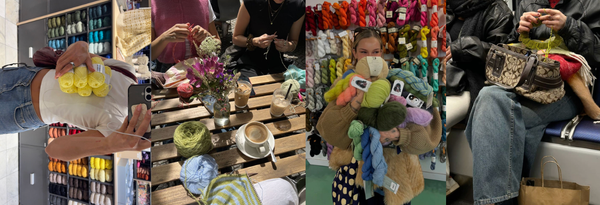
- Thrift hauls
- Vintage outfit inspiration
- DIY upcycling
Gen Z values:
- Sustainability
- Transparency
- Self-expression
They don’t just follow trends, they remix them.
Fashion Is Cyclical
Fashion constantly reinvents itself.
Trends like:
- Y2K fashion
- 90s minimalism
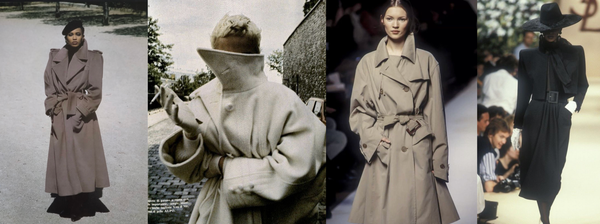
- 70s silhouettes
are all making a comeback.
Second-hand shopping allows consumers to:
- Access authentic vintage pieces
- Stay ahead of trends
- Avoid overpriced replicas
Why buy a copy when you can own the original?
Second-Hand as the New Luxury
The perception of second-hand fashion has changed dramatically.
What was once seen as “cheap” is now:
- Stylish
- Smart
- Even prestigious
Luxury resale platforms such as:
- The RealReal
- Vestiaire Collective
have made high-end fashion more accessible.
Luxury brands are also adapting by:
- Launching resale programs
- Encouraging circular fashion
- Monitoring second-hand markets
Today, rarity and sustainability define modern luxury.
Economic Factors
Rising living costs and economic uncertainty have also boosted second-hand shopping.
Consumers can:
- Buy high-quality items for less
- Access designer brands affordably
- Save money without sacrificing style
Thrifting is both a financial and ethical choice.
The Limits and Challenges of Second-Hand Fashion
Despite its growth, second-hand fashion has some limitations.
- Quality and Hygiene Concerns
- Some consumers worry about:
- Cleanliness
- Wear and tear
- Product condition
- Authenticity Issues
- Especially in luxury resale:
- Counterfeits remain a concern
- Not all platforms guarantee verification
- Environmental Paradox
- Although sustainable, second-hand shopping can:
- Increase shipping emissions (online purchases)
- Encourage overconsumption if treated like fast fashion
- Rising Prices
- Ironically, popularity has made thrifting:
- Less affordable in some areas
- More competitive
Second-hand fashion is not perfect, it still requires conscious consumption.
The Future of Second-Hand Fashion
The second-hand market is expected to grow rapidly in the coming years.
Future developments may include:
- AI-powered personalization
- Blockchain authentication
- Increased brand involvement
Second-hand fashion is no longer a trend, it’s a long-term transformation of the industry.
Conclusion
The rise of second-hand buying reflects a deeper shift in values: sustainability, individuality, and conscious consumption.
It challenges traditional ideas of fashion by proving that:
- New isn’t always better
- Style doesn’t need to be wasteful
- Luxury can be responsible
My Thought
Personally, I think second-hand fashion is one of the most interesting evolutions in the fashion industry today. It combines creativity, sustainability, and storytelling in a way that fast fashion simply cannot.
What I find the most inspiring is how each piece has a history, it’s not just clothing, it’s something that has already lived a life before reaching you. At the same time, I think it’s important to stay mindful. Just because something is second-hand doesn’t mean we should overconsume.
For me, thrifting is not just about buying clothes, it’s about finding identity, expressing creativity, and making more conscious choices.
Resources:
- The carbon Nest: 55pglv44c1-the-new-rise-in-secondhand-buying-why-is
- Fashion Times: secondhand-fashion-revolution-thrift-shopping-trends-shaping-future-luxury-13334
- Crispidea: second-hand-and-thrift-shopping-trend
- Medium: second-hand-chic-why-thrifting-is-the-new-luxury-d62da11cdb18
- Condé Nast: how-secondhand-shopping-has-shown-me-the-world
Photos