The Relationship Between Fashion and Memory

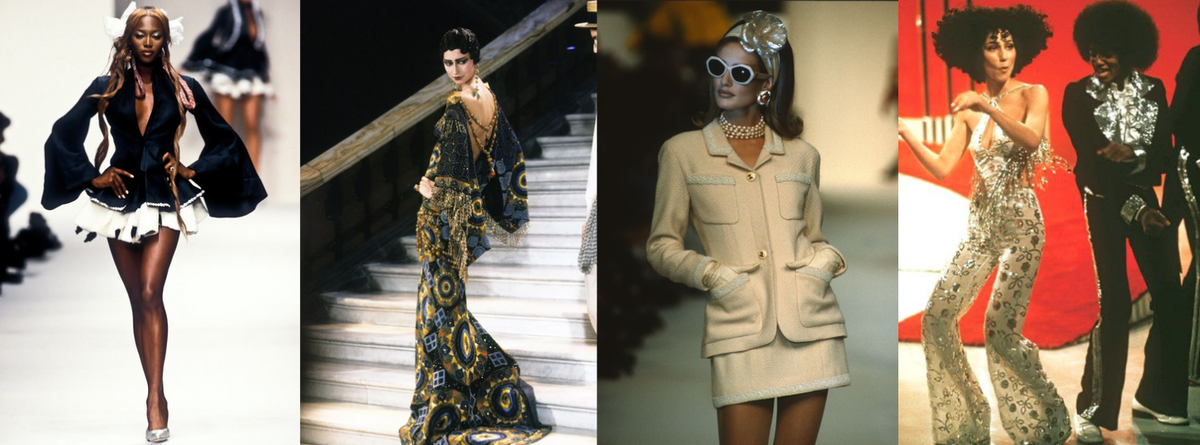
Fashion is often described as a reflection of culture, identity, and creativity. Yet beyond trends and aesthetics lies another powerful dimension: memory. The clothes we wear are not merely objects that cover our bodies, they are vessels of emotion, personal history, and collective remembrance.
A faded concert T-shirt, a grandmother's cardigan, a wedding dress preserved for decades, or even a school uniform tucked away in a closet can evoke memories more vividly than photographs. Fashion exists at the intersection of the personal and the cultural, allowing us to carry pieces of our past into the present.
As fashion becomes increasingly personalised, the relationship between clothing and memory has emerged as one of the most fascinating conversations within contemporary fashion studies.
Fashion as a Personal Archive
For many people, clothing functions as a living archive.
When a loved one passes away, families often sort through wardrobes as a way of preserving memories. The garments left behind become more than fabric, they become traces of a person, carrying their habits, scent, personality, and presence.
Writer and researcher Elizabeth Wilson argues that fashion exists in an ambiguous space between past and present. While the fashion industry constantly pursues novelty, clothing itself often becomes a repository of memory.
Unlike luxury items that may retain monetary value, the garments we treasure most are frequently those with little financial worth. A worn sweater, a stained T-shirt, or a jacket missing buttons may hold immense emotional significance because of the memories attached to them.
This raises an important question:
Should the value of clothing be measured only by its material worth, or also by its emotional significance?
The Rise of Personalised Fashion
Over the past decade, fashion has become increasingly personal.
Consumers are moving away from mass-produced garments and seeking pieces that reflect their individual identities and experiences.
Popular forms of personalisation include:
Custom Embroidery
Adding initials, meaningful dates, or personal messages to garments.
Monogrammed Accessories
Transforming everyday items into unique personal statements.
Made-to-Order Clothing
Garments designed specifically for an individual's measurements and preferences.
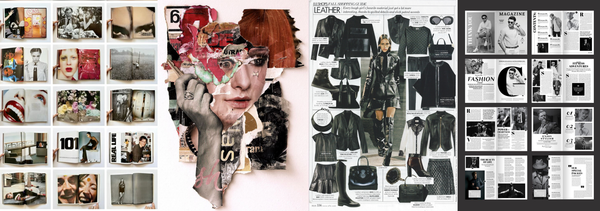
Fashion Photo Books
Collections documenting personal style evolution, fashion shoots, family wardrobes, or significant life moments.
According to a 2022 McKinsey report, nearly 40% of global consumers expressed interest in personalised fashion experiences, highlighting a growing desire for individuality in an increasingly standardised world.
Fashion as Storytelling
Fashion has always been a form of storytelling.
Historically, clothing reflected social status, political movements, economic conditions, and cultural values. Today, personal narratives have become equally important.
A garment can tell a story about:
- A life-changing journey
- Family heritage
- Cultural identity
- Love and relationships
- Achievement and celebration
- Loss and remembrance
A wedding dress captures one of life's most significant moments. A vintage jacket inherited from a parent carries family history. A scarf purchased during a memorable trip can become a wearable reminder of a specific place and time.
In this way, clothing becomes a visual autobiography.
The Science Behind Clothing and Memory
Researchers have increasingly explored why clothing triggers such powerful memories.
Studies involving cognitive psychology suggest that clothing, alongside music, produces some of the strongest emotional responses linked to autobiographical memory.
Research conducted by cognitive psychologist Catherine Loveday found that objects closely connected to personal identity often generate particularly vivid recollections.
One explanation is that clothing functions as a "second skin."
Unlike many possessions, garments accompany us through daily experiences. They absorb physical traces of our lives through wear, smell, texture, stains, repairs, and alterations.
Fashion scholar Bethan Bide notes that clothing literally takes an imprint of the body, making garments uniquely capable of preserving memories.
Collective Memory vs. Personal Memory
Fashion does not only preserve individual memories, it also preserves collective histories.
In Worn Clothes and Textiles as Archives of Memory, researcher Carole Hunt distinguishes between:
Private Memory
Personal experiences attached to specific garments.
Collective Memory
Shared cultural memories connected to clothing, uniforms, traditions, and historical events.
Examples include:
- Military uniforms from World War II
- Traditional cultural dress
- Protest clothing associated with social movements
- Religious garments
- National costumes
Clothing can therefore act as both an intimate personal object and a historical document.
Memory, Nostalgia, and Vintage Fashion
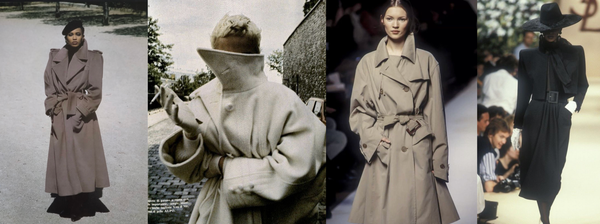
The popularity of vintage fashion demonstrates the emotional power of nostalgia.
Many contemporary brands intentionally reference previous decades through:
- Retro silhouettes
- Heritage fabrics
- Archival reissues
- Historical advertising aesthetics
Consumers are often attracted not only to the design itself but also to the emotions associated with a romanticized past.
Fashion becomes a bridge between generations, allowing people to reconnect with memories they experienced directly, or imagine through cultural storytelling.
Fashion Photography: Preserving Moments in Time
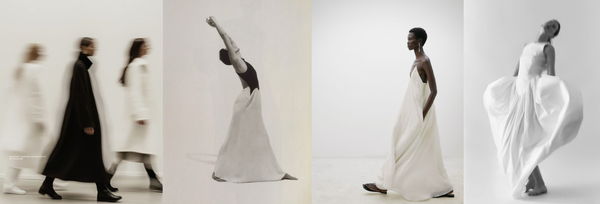
Fashion photography plays a crucial role in transforming fleeting fashion moments into lasting records.
German philosopher Walter Benjamin observed that photographs contain traces of a specific "here and now," preserving moments that would otherwise disappear.
Today, social media platforms function as digital fashion archives.
Instagram, Pinterest, and TikTok allow individuals to:
- Document outfit evolution
- Preserve fashion memories
- Share personal narratives
- Build visual identities
Fashion photography is no longer reserved for magazines, it has become part of everyday life.
Fashion Weeks and Personal Narratives
Fashion Weeks in Paris, Milan, London, New York, and beyond have increasingly become platforms for storytelling.
Designers regularly draw from:
- Childhood memories
- Family histories
- Cultural heritage
- Personal struggles
- Social and political experiences
Rather than presenting clothing solely as products, many collections now communicate narratives that connect emotionally with audiences.
The runway becomes a space where memory, identity, and creativity intersect.
Building a Memory-Inspired Wardrobe
There are many ways to integrate personal stories into everyday style.
Repurpose Family Heirlooms
Transform inherited garments into wearable contemporary pieces.
Add Personalised Embroidery
Include meaningful names, dates, or messages.
Draw Inspiration from Family Photographs
Reinterpret historical outfits through a modern lens.
Celebrate Cultural Heritage
Incorporate traditional garments or symbolic accessories.
Upcycle Sentimental Pieces
Convert old clothing into new creations rather than discarding them.
By doing so, fashion becomes more meaningful and sustainable.
The Limits of Fashion as Memory
While fashion and memory share a powerful connection, there are important limitations worth acknowledging.
Memory Can Be Selective
Memories are not perfect records of reality. They evolve over time, becoming romanticized, distorted, or incomplete.
As scholar Alison Slater notes, our memories of clothing "wear" just as garments themselves do.
Nostalgia Can Overshadow Reality
Fashion often presents idealized versions of the past.
Vintage aesthetics may celebrate beauty and craftsmanship while overlooking historical inequalities, labor conditions, or social restrictions associated with those eras.
Emotional Attachment Can Encourage Overconsumption
Not every item can or should be preserved indefinitely.
Holding onto excessive quantities of clothing solely for sentimental reasons may create practical challenges and contribute to clutter.
Storytelling Can Become Marketing
As brands increasingly use emotional narratives to connect with consumers, some storytelling risks becoming a commercial strategy rather than a genuine expression of heritage or identity.
Consumers should remain aware of when memory is being authentically celebrated and when it is being commodified.
My Thought
One of the most beautiful aspects of fashion is that it allows us to carry fragments of our lives with us. Long after trends have disappeared, certain garments remain. They stay because they remind us of a person, a place, or a moment we never want to forget.
I believe fashion becomes most meaningful when it moves beyond aesthetics and enters the realm of memory. A worn jacket inherited from a grandparent may never appear in a luxury campaign, yet it can hold more value than any designer piece because of the story it carries.
At the same time, memory should not prevent us from being critical. Nostalgia can sometimes idealize the past, and fashion's storytelling can occasionally become a marketing tool. The challenge is finding a balance between emotional connection and conscious consumption.
Ultimately, fashion is not just about what we wear. It is about what we remember. Every stain, repair, faded fabric, and inherited garment tells a story, and perhaps those stories are what make fashion truly timeless.
- Resources:
- DC Fashion Week: the-intersection-of-fashion-and-memory-how-personal-stories-shape-style
- Medium: fashion-as-memory-archive-9fd2cbe79b02
- Chong Kwan, S., Laing, M and Roman, M. J. (2014): AAM-Fashion-and-Memory.pdf