Tokyo Street Style and the Art of Individuality

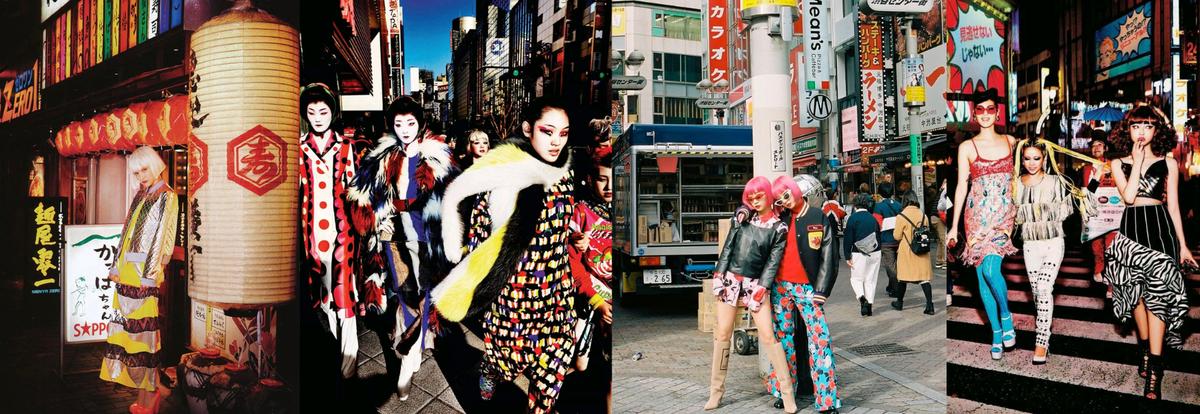
Tokyo has long been considered one of the world's most influential fashion capitals. Unlike cities that are often associated with a single aesthetic, Tokyo's fashion scene thrives on diversity, experimentation, and individuality. From the colorful streets of Harajuku to the minimalist sophistication of Ginza, Tokyo street style continues to inspire designers, brands, and fashion enthusiasts around the globe.
More than just clothing, Tokyo street fashion represents creativity, identity, and cultural expression.
The Origins of Tokyo Street Style
Tokyo's modern street fashion culture emerged during the 1990s, particularly in Harajuku. According to fashion journalist and editor Shoichi Aoki, founder of the influential magazines STREET and FRUiTS, a major shift occurred when young people stopped following a single trend and began creating their own unique looks.
Inspired by London's vintage and second-hand fashion culture, Tokyo's youth started mixing different brands, reconstructing garments, and creating outfits based on personal taste rather than mainstream trends.
This movement transformed Harajuku into a global symbol of creativity and individuality.
The Role of FRUiTS Magazine
One of the most important contributors to Tokyo's fashion reputation was FRUiTS magazine.
Founded in 1997 by Shoichi Aoki, the magazine documented real people wearing unique outfits in the streets of Harajuku. Unlike traditional fashion magazines that focused on luxury brands and runway collections, FRUiTS celebrated self-expression.
The magazine introduced the world to Japanese street fashion and helped establish Tokyo as a center of fashion innovation.
Many photographers, designers, and fashion enthusiasts still cite FRUiTS as one of the most influential street-style publications ever created.
Beyond Harajuku: The Diversity of Tokyo Fashion
Fashion writer Yoko Yagi argues that one of the biggest misconceptions about Japanese fashion is the belief that it is only about "kawaii" culture or Harajuku.
Tokyo's fashion scene is far more diverse.
Different neighborhoods have developed their own identities:
Harajuku
Known for bold self-expression, colorful outfits, and experimental fashion.
Shibuya
A hub for contemporary streetwear, sneakers, and youth culture.
Shimokitazawa
Famous for vintage clothing, second-hand shopping, and independent fashion.
Aoyama
Home to luxury boutiques and sophisticated contemporary fashion.
Nakameguro
Known for creative professionals and understated elegance.
This diversity is one of the reasons Tokyo continues to fascinate fashion observers worldwide.
Why Tokyo Influences Global Fashion
Tokyo's influence extends far beyond Japan.
Designers around the world regularly look to Tokyo for inspiration because the city combines:
- Traditional Japanese aesthetics
- Modern streetwear culture
- Fearless experimentation
- High-quality craftsmanship
- Individual self-expression
Brands such as Comme des Garçons, Undercover, BAPE, Kapital, and Yohji Yamamoto have introduced distinctly Japanese perspectives to the global fashion industry.
Today, oversized silhouettes, layered outfits, gender-neutral fashion, and the mixing of luxury and casual clothing are all trends strongly associated with Tokyo's fashion culture.
Fashion as Lifestyle
Yoko Yagi highlights an interesting aspect of Tokyo culture: fashion goes beyond clothing.
For many stylish Tokyo residents, personal style extends to:
- Food choices
- Interior design
- Restaurants
- Lifestyle habits
Fashion becomes a way of expressing identity through everyday life.
This broader understanding of style explains why Tokyo's fashion scene often feels more like a cultural movement than a simple clothing trend.
The Challenges Facing Tokyo Street Style
Despite its global influence, Tokyo street fashion faces several challenges.
Social Media and Globalisation
According to both Yoko Yagi and Shoichi Aoki, social media has made fashion more globalized than ever.
Trends now spread instantly across countries, making it harder for cities to develop unique local identities.
As a result, some observers worry that Tokyo's distinctive fashion culture is becoming less unique.
The Rise of Fast Fashion
The growth of fast fashion during the 2010s also had a significant impact.
Affordable clothing became widely accessible, but it sometimes encouraged consumers to follow trends rather than develop personal styles.
Many fashion insiders felt that individuality was being replaced by uniformity.
Fear of Standing Out
Another concern is that some younger people increasingly view dressing differently as embarrassing.
A culture that once celebrated bold self-expression now faces pressure from social conformity and online judgment.
These challenges raise important questions about the future of creative fashion communities.
The Future of Tokyo Street Style
Despite these concerns, Tokyo remains one of the most innovative fashion cities in the world.
Experts predict several future developments:
- Greater diversity of fashion subcultures
- More gender-neutral clothing
- Increased focus on sustainability
- Stronger interest in vintage and second-hand fashion
- Continued blending of luxury and casual wear
Rather than disappearing, Tokyo street style is evolving.
Its ability to adapt may be the reason it continues to remain relevant decades after its emergence.
My Thought
What fascinates me most about Tokyo street style is that it treats fashion as a form of personal storytelling.
In many places, fashion is often about following trends. In Tokyo, fashion can become a way to express individuality, creativity, and even personal values.
At the same time, the challenges created by social media and globalization are real. When trends spread instantly around the world, maintaining unique local identities becomes more difficult.
However, Tokyo has always thrived on reinvention. Even if Harajuku no longer looks exactly like it did in the 1990s, the spirit of experimentation and self-expression is still present.
For me, Tokyo street style remains one of the best examples of how fashion can be both artistic and deeply personal.
Recourse:
- Metropolis: tokyo-street-style
- Tokion:shoichi-aoki-part1
- Her Fashion Daily: tokyo-street-style-global-influence-2026
Photos: