Vogue: How One Magazine Became Fashion's Ultimate Authority

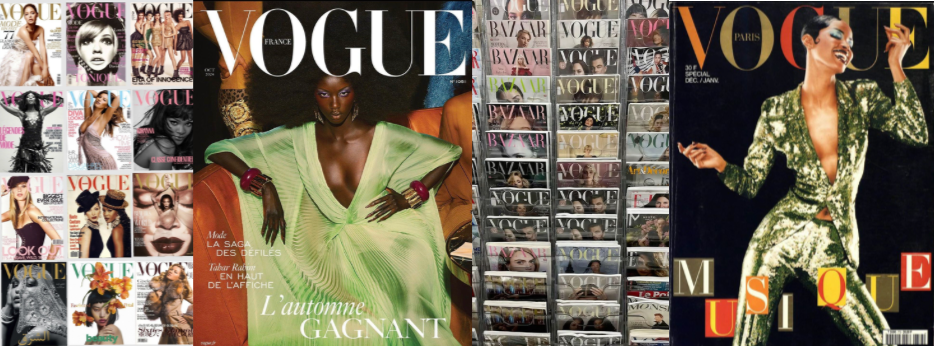
For more than a century, Vogue has been one of the most influential names in fashion. More than just a magazine, it has become a cultural institution that shapes trends, launches careers, and defines what is considered fashionable around the world. From its beginnings as a society publication in New York to its current status as a global multimedia platform, Vogue has continuously adapted to changing times while maintaining its position at the top of the fashion industry.
The Origins of Vogue
Vogue was founded in 1892 by Arthur Turnure as a weekly publication focused on New York high society. The magazine covered social events, fashion, and lifestyle topics for the city's elite.
A major turning point came in 1909 when Condé Nast purchased Vogue. Under his leadership, the publication expanded beyond society reporting and became a magazine dedicated to fashion, creativity, and culture. Over the following decades, Vogue collaborated with some of the world's most talented photographers, artists, writers, and designers, helping establish its reputation as the industry's leading authority.
Why Vogue Became the Fashion Standard
Unlike many fashion publications that simply report trends, Vogue has often played a role in creating them.
Being featured in Vogue is considered a major achievement for designers, models, photographers, and brands. A Vogue feature can dramatically increase a creator's visibility and credibility within the industry. For many emerging designers, appearing in the magazine serves as a form of international recognition that can accelerate their careers.
Because Vogue is published in more than 25 countries, it acts as a common language within global fashion. Whether in New York, Paris, Milan, London, Tokyo, or Shanghai, Vogue connects fashion professionals and consumers through a shared understanding of style and luxury.
Vogue's Unique Visual Identity
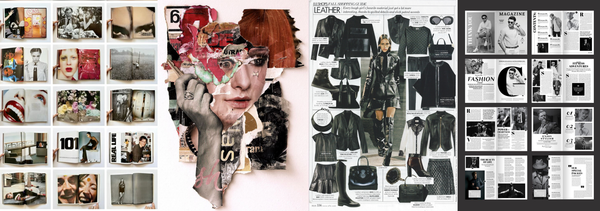
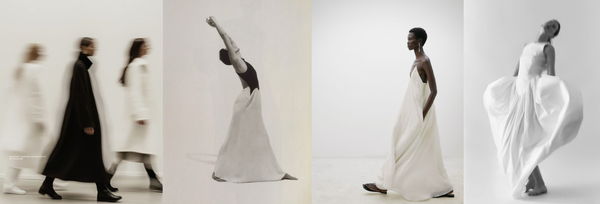
One of Vogue's greatest strengths is its commitment to visual storytelling.
The magazine has worked with legendary photographers such as Irving Penn, Richard Avedon, and Annie Leibovitz.
Rather than simply presenting clothing, Vogue creates artistic narratives through photography, styling, and design. Many Vogue editorials are now considered cultural artifacts and are displayed in exhibitions and museums.
This focus on creativity has allowed Vogue to remain relevant across generations while influencing how fashion is presented globally.
The Anna Wintour Era
Anna Wintour became editor-in-chief of American Vogue in 1988 and transformed the magazine's identity.
Her first cover was revolutionary. It featured model Michaela Bercu wearing a luxurious Christian Lacroix jacket paired with simple blue jeans. This unexpected combination signaled a new direction for fashion publishing and reflected how women actually dressed.
Under Wintour's leadership, Vogue expanded beyond fashion and entered mainstream culture. She introduced more celebrity covers, featuring stars such as:
- Madonna
- Gwyneth Paltrow
- Beyoncé
This strategy helped bridge the gap between fashion, entertainment, and popular culture.
Vogue's Digital Transformation
As digital media transformed publishing, Vogue successfully adapted.
The magazine expanded through:
- Vogue.com
- YouTube content
- Podcasts
- Newsletters
- Social media
- Live events
Series such as 73 Questions and Beauty Secrets introduced Vogue to younger audiences and helped the brand maintain relevance in the digital age.
Today, Vogue is no longer just a monthly magazine. It operates as a multimedia platform that publishes content daily across multiple formats.
Vogue World and Fashion Experiences
Vogue has also expanded beyond traditional publishing through events such as Vogue World.
Launched in 2022, Vogue World combines fashion shows, music, performance, film, and live entertainment. These events have been hosted in cities such as New York, London, Paris, and Los Angeles.
By transforming runway presentations into immersive cultural experiences, Vogue continues to redefine how fashion is experienced by audiences around the world.
Criticisms and Limitations
Although Vogue is highly respected, it has not escaped criticism.
Diversity and Representation
For many years, critics argued that Vogue failed to adequately represent diverse communities and perspectives.
In 2020, Anna Wintour publicly acknowledged these shortcomings and committed to improving representation within the magazine. Since then, Vogue has featured more diverse voices and highlighted issues such as social justice, sustainability, and mental health.
Concentration of Influence
Some critics argue that Vogue's immense influence gives a small group of editors significant power over what is considered fashionable and valuable.
As Vogue centralizes editorial decisions across its international editions, concerns have emerged regarding the potential loss of local perspectives and editorial independence.
Exclusivity
Despite efforts toward inclusivity, Vogue is still associated with luxury fashion and elite cultural spaces. As a result, some people believe it can feel disconnected from everyday consumers and inaccessible to broader audiences.
Vogue's Legacy
More than 130 years after its creation, Vogue remains one of the most influential forces in fashion.
Its ability to combine fashion, culture, art, beauty, entertainment, and journalism has allowed it to maintain its relevance across generations. Whether through print magazines, digital platforms, social media, or live events, Vogue continues to shape conversations about style and creativity worldwide.
For many people working in fashion, appearing in Vogue remains one of the highest forms of professional recognition.
My Thought
As someone interested in fashion and creative industries, I find Vogue fascinating because it shows how a magazine can become much more than a publication. Vogue has influenced not only clothing trends but also photography, art, beauty standards, and cultural conversations.
What I admire most is its ability to evolve with each generation while maintaining its prestige. However, I also think it is important to recognize its limitations. Fashion should be diverse and accessible, and no single publication should completely define beauty or creativity.
Even so, Vogue's impact on the fashion world is undeniable. Whether people agree with its choices or challenge them, Vogue continues to be one of the most powerful voices in global fashion.
Resources:
Vogue: about-us
Captured: the-evolution-of-vogue-under-anna-wintour-from-fashion-authority-to-digital-giant
note: n18cef882d932
Factory international: an-introduction-to-vogue
The guardian: 30-years-vogue-anna-wintour-changed-way-world-gets-dressed
Photos: