Why Young Designers Are Rejecting Trends, Perfection, and Technology

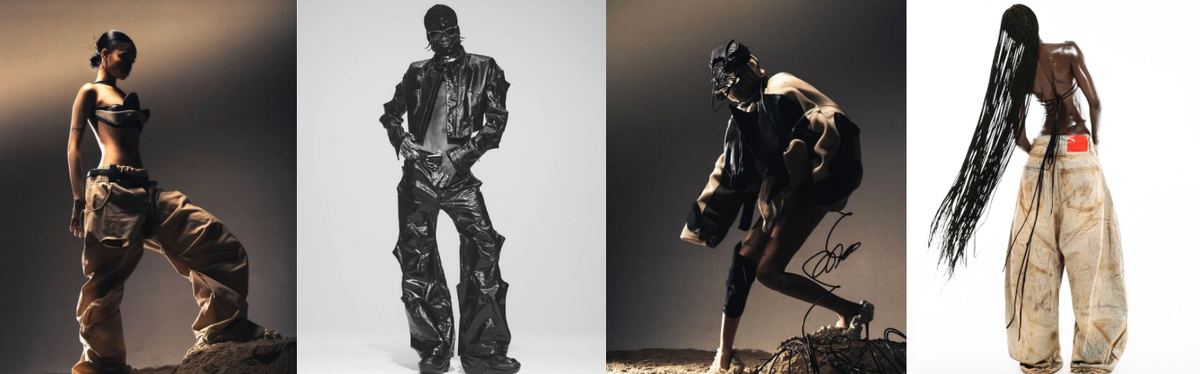
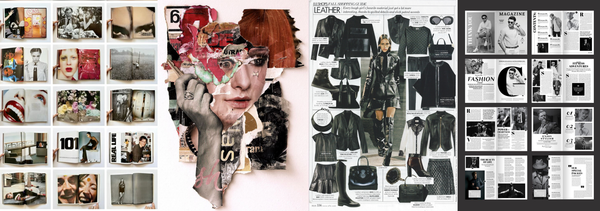
For years, technology has been viewed as the future of creativity. Artificial intelligence, digital tools, social media algorithms, and highly polished visual content have transformed the fashion and design industries. Yet, a growing number of young designers are moving in the opposite direction.
Rather than embracing perfection and automation, many are returning to craftsmanship, imperfection, and human connection. This shift reflects a broader cultural movement, particularly among younger generations, who are increasingly searching for authenticity in a world dominated by screens and digital experiences.
From handmade objects to raw fashion campaigns, the future of creativity may not be about creating something flawless, but something real.
The Back-to-Basics Movement
Across different industries, young people are showing a desire to disconnect from constant digital stimulation. Reports have noted an increase in activities that prioritize human interaction, community, and slower lifestyles.
This desire has also influenced the design world.
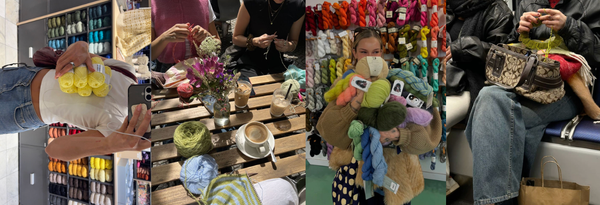
At Milan Design Week, designers repeatedly emphasized the importance of moving away from technology and returning to traditional craftsmanship. Rather than relying entirely on digital tools, many creatives are exploring handmade processes, natural materials, and artisanal techniques.
Designer Federica Biasi highlighted the need for more "real things" in our homes, while designer Nifemi Marcus-Bello explained that handcrafted products create emotional connections that mass-produced objects often lack.
The appeal lies in the imperfections. Handmade creations contain traces of the people who made them, making each piece unique and meaningful.
Why Imperfection Is Becoming Desirable
For decades, brands have chased perfection.
Fashion campaigns were heavily retouched. Social media feeds were carefully curated. Products were designed to appear flawless.
However, younger consumers are increasingly rejecting these ideals.
According to denim expert Tilmann Wröbel, artificial perfection no longer resonates with Gen Z consumers. Having grown up surrounded by edited images and digital filters, younger generations are often skeptical of content that appears too polished.
Instead, authenticity has become a new form of luxury.
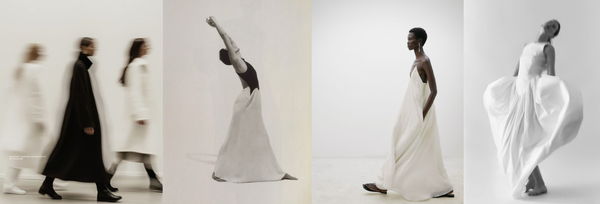
This can be seen in campaigns by designer Willy Chavarria, which feature realistic lighting, natural styling, and unedited imagery. These campaigns feel relatable because they reflect reality rather than an idealized fantasy.
The message is clear: imperfections make products and people feel genuine.
The New Consumer Mindset
Gen Z's relationship with fashion differs significantly from that of previous generations.
While Millennials embraced accessible fashion and digital convenience, younger consumers increasingly seek exclusivity and uniqueness.
Limited-edition products, exclusive retail experiences, and rare items have become valuable forms of social currency.
This trend reflects a growing dissatisfaction with online shopping. When everything is instantly available, the excitement of discovery disappears.
Consumers want the thrill of searching for something special rather than simply clicking a button.
As a result, brands are being encouraged to create experiences that feel personal, unique, and memorable.
What Emerging Designers Can Learn
The shift toward authenticity creates opportunities for emerging designers.
Unlike large luxury conglomerates, independent brands often have stronger personal stories, closer relationships with customers, and more distinctive creative identities.
According to Vogue Business, many consumers are actually increasing their spending on independent and emerging brands despite the luxury market slowdown.
Several key lessons emerge:
1. Embrace Change
The current luxury slowdown is forcing designers to rethink traditional business models. Brands that build strong communities and engage directly with customers may have an advantage over those relying solely on traditional retail channels.
2. Balance Creativity and Commercial Success
Many emerging designers are adapting products to make them more accessible without sacrificing their identity. Finding this balance can help brands survive challenging economic periods.
3. Protect Your Creative Vision
While commercial pressure is increasing, many designers warn against abandoning what makes their brand unique. Consumers are often attracted to independent brands because they offer something different from mainstream luxury.
4. Prioritize Quality and Craftsmanship
Consumers continue to value quality materials, creativity, and exceptional craftsmanship. In uncertain times, people may buy fewer items, but they are more likely to invest in pieces that feel meaningful and durable.
5. Explore New Business Models
Many emerging brands are moving toward direct-to-consumer sales, made-to-order production, bespoke services, and community-focused retail strategies. These approaches can reduce risk while strengthening customer relationships.
The Limits of the Anti-Technology Movement
Although the return to craftsmanship offers many benefits, it is important to recognise its limitations.
Technology Is Still Necessary
Modern fashion businesses rely heavily on technology for communication, production management, e-commerce, logistics, and marketing. Completely rejecting technology is unrealistic for most brands.
Handmade Production Can Be Expensive
Craftsmanship often requires more time, skilled labor, and resources. This can lead to higher prices that may not be accessible to all consumers.
Exclusivity Can Become Excessive
While scarcity creates excitement, excessive exclusivity risks alienating customers. Brands must find a balance between desirability and accessibility.
Authenticity Can Become a Marketing Tool
Ironically, "authenticity" itself can become a trend. Some brands may attempt to manufacture imperfection purely for commercial purposes, undermining the genuine values that consumers are seeking.
A New Definition of Luxury
The growing rejection of perfection signals a significant cultural shift.
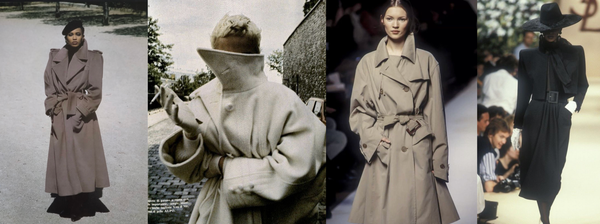
Luxury is no longer defined solely by logos, status, or flawless presentation. Increasingly, consumers value individuality, craftsmanship, transparency, and emotional connection.
Young designers are demonstrating that imperfections can be beautiful, that creativity requires human effort, and that authenticity may be more powerful than perfection.
As technology continues to evolve, the future of fashion and design may depend not on how digital we become, but on how human we remain.
My Thought
What I find most interesting about this movement is that it feels like a reaction to the world we have created. We are surrounded by algorithms, filters, artificial intelligence, and endless content. While these tools offer incredible opportunities, they can sometimes make everything feel similar and predictable.
The growing appreciation for craftsmanship, imperfections, and authenticity shows that people still crave human connection. I don't believe technology is the enemy, but I do think the most successful brands of the future will be those that combine innovation with genuine creativity and emotional storytelling.
Rather than choosing between technology and craftsmanship, the future may belong to designers who know how to use both while staying true to their identity.
Resources:
- Monocle: young-designers-rejecting-tech-comment
- WWD: gen-z-rejecting-perfect-fashion-exclusivity-willy-chavarria-1238862542
- VOGUE: the-luxury-slowdown-survival-guide-for-emerging-designers
Pictures: