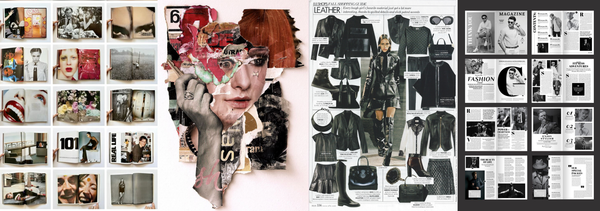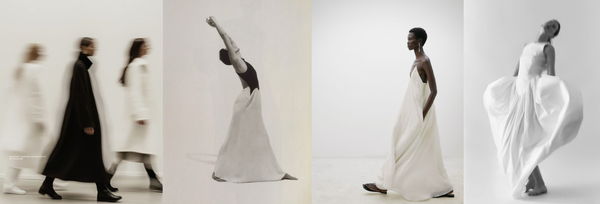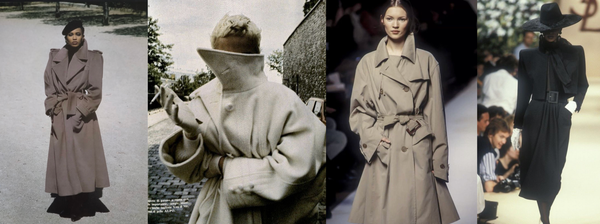
Antwerp: The City That Changed Avant-Garde Fashion

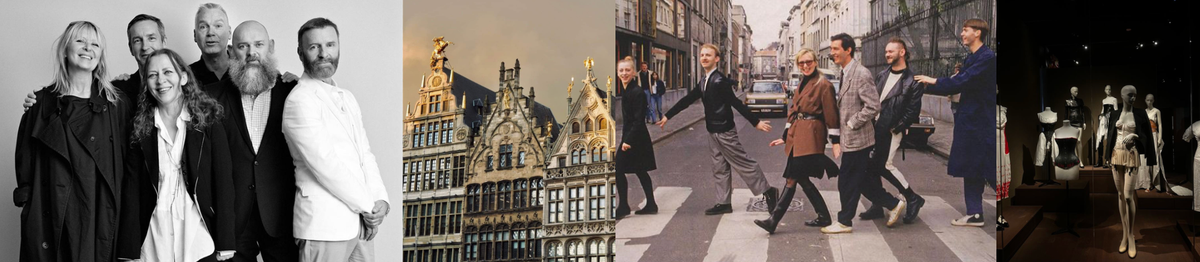
When people think about fashion capitals, cities like Paris, Milan, or London usually come to mind first. Yet tucked away in northern Belgium lies Antwerp, a city that quietly revolutionized avant-garde fashion forever.
From cobblestone streets and Gothic cathedrals to conceptual boutiques and fashion museums, Antwerp became the birthplace of a movement that challenged the traditional rules of luxury and beauty. In the 1980s, a group of young designers known as the “Antwerp Six” transformed the city into one of the most influential creative hubs in the world. Their rebellious vision introduced a new fashion language built on individuality, deconstruction, intellectualism, and artistic freedom.
Today, Antwerp remains one of Europe’s most inspiring destinations for fashion lovers, creatives, and designers searching for authenticity beyond mainstream luxury.
The Antwerp Six: The Designers Who Changed Fashion
The Fashion World Before Antwerp
The fashion industry of the 1980s was dominated by excess. Power dressing, bright colors, oversized silhouettes, and visible luxury logos defined the era. Paris represented haute couture elegance, Milan celebrated glamour and sensuality, while London embraced punk and experimentation.
At the same time, Japanese designers like Rei Kawakubo and Yohji Yamamoto introduced darker, intellectual, and deconstructed aesthetics that challenged Western ideas of beauty.
In Antwerp, inside the strict yet creatively liberating halls of the Royal Academy of Fine Arts Antwerp, a new generation of Belgian designers began developing their own radical approach to fashion.
Who Were the Antwerp Six?
The Antwerp Six consisted of:
- Dries Van Noten
- Ann Demeulemeester
- Walter Van Beirendonck
- Dirk Bikkembergs
- Dirk Van Saene
- Marina Yee
Although often grouped together, they never considered themselves a collective. Each designer had a completely distinct vision, but they shared a common philosophy: fashion should express ideas and identity rather than simply follow trends.
The London Trip That Changed Everything
A Van Full of Revolution
In 1986, frustrated by the lack of attention from the Belgian fashion industry, the six designers rented a van, packed their collections, and traveled from Ostend to London to present their work during London Fashion Week.
They were not official participants. Their presentation was low-budget, improvised, and far from the polished standards of luxury fashion at the time. However, the originality of their work shocked editors and buyers.
British journalists quickly nicknamed them “The Antwerp Six” because their Flemish names were difficult to pronounce and remember.
That moment changed Belgian fashion forever.
Their Revolutionary Design Philosophy
Deconstruction and Intellectual Fashion
The Antwerp Six introduced a completely different vision of luxury. Instead of glamour and perfection, they focused on:
- Imperfection
- Emotion
- Artistic experimentation
- Deconstruction
- Individuality
- Storytelling through clothing
Their garments often featured asymmetry, raw hems, oversized silhouettes, monochromatic palettes, layering, and unconventional fabrics.
Fashion became intellectual rather than purely commercial.
Individual Legacies
- Ann Demeulemeester
- Known for poetic black-and-white silhouettes, romantic tailoring, feather details, and rock-inspired minimalism.
- Dries Van Noten
- Master of textiles, embroidery, prints, and cultural references. His work combines luxury craftsmanship with eclectic storytelling.
- Walter Van Beirendonck
- The bold provocateur of the group, famous for bright colours, graphic messages, and discussions around gender, sexuality, and politics.
- Dirk Bikkembergs
- Merged sportswear with luxury tailoring and redefined modern menswear aesthetics.
- Dirk Van Saene
- Focused on conceptual artistry and experimental construction.
- Marina Yee
- One of the earliest designers to embrace upcycling and sustainable fashion long before it became mainstream.
Martin Margiela and the Belgian Avant-Garde
Although not officially part of the Antwerp Six, Martin Margiela became one of the most influential figures associated with Antwerp fashion.
His anonymous approach to celebrity culture, exposed garment construction, white labels, and deconstructed pieces completely transformed the industry.
Margiela questioned:
- What defines luxury?
- Does fashion need branding?
- Can imperfections become beautiful?
Many contemporary designers still reference his work today.
Antwerp Today: A Fashion Lover’s Paradise
The Fashion District
Antwerp’s Fashion District revolves around Nationalestraat, where luxury boutiques coexist with vintage stores, independent designers, and concept spaces.
Some important fashion destinations include:
- MoMu Fashion Museum
- Royal Academy of Fine Arts Antwerp
- Dries Van Noten Store
- Arte Antwerp
- Labels Inc
The city mixes vintage culture, avant-garde fashion, luxury tailoring, and contemporary streetwear in a way that feels organic rather than commercialised.
A New Generation of Designers
Antwerp continues influencing fashion through designers and creatives connected to the city, including:
- Raf Simons
- Pieter Mulier
- Matthieu Blazy
Emerging labels like:
- La Collection
- Bernadette
- Julie Kegels
continue attracting global attention.
Fashion, Sustainability, and Social Responsibility
Antwerp’s fashion scene is also increasingly connected to sustainability and ethical production.
One important example is ReAntwerp, founded by designer Tim Van Steenbergen.
The brand:
- Uses leftover luxury fabrics
- Creates limited-edition garments
- Provides opportunities and training for refugees
- Promotes slow fashion values
This reflects how Antwerp fashion evolved from pure avant-garde experimentation into a more socially conscious movement.
The Limits and Criticism of Antwerp Fashion
Although Antwerp fashion changed the industry, it is important to discuss its limitations and criticisms.
Avant-Garde Fashion Can Feel Elitist
Many avant-garde collections are highly conceptual and inaccessible to average consumers. Some critics argue that intellectual fashion can become disconnected from everyday reality and practical wearability.
High Prices and Exclusivity
Despite rejecting mainstream luxury codes, many Antwerp-associated brands still operate within expensive luxury systems. This creates a contradiction between anti-fashion ideals and the exclusivity of high fashion markets.
Commercial Pressure
As luxury conglomerates dominate the industry, maintaining artistic independence becomes increasingly difficult. Several designers associated with Antwerp eventually faced pressure to balance creativity with profitability.
Sustainability Contradictions
While Antwerp helped pioneer slow fashion and upcycling, the broader luxury industry still contributes heavily to overproduction, textile waste, and environmental damage.
The city represents innovation and resistance, but it is not entirely free from the larger problems of the fashion system.
Antwerp Beyond Fashion
Antwerp’s cultural richness extends far beyond clothing.
The city is home to:
- Cathedral of Our Lady
- MAS Museum
- Royal Museum of Fine Arts Antwerp
- Plantin-Moretus Museum
Its artistic history, architecture, food scene, and diamond district all contribute to the city’s unique atmosphere.
Antwerp feels simultaneously historical and experimental, a balance that perfectly reflects its fashion identity.
My Thought
What makes Antwerp fascinating is that it never tried to compete with Paris or Milan by copying them. Instead, the city created its own identity through individuality, experimentation, and artistic freedom.
The Antwerp Six proved that fashion could be intellectual, emotional, imperfect, and deeply personal. They showed that clothing is not only about trends or status but also about storytelling and self-expression.
What I personally admire most is how Antwerp continues to encourage independent thinking. Even today, in an industry dominated by social media trends and commercial pressure, the city still represents authenticity and creative courage.
At the same time, it is important not to romanticize avant-garde fashion too much. Many of these designs remain inaccessible to most people financially and conceptually. Fashion can inspire change, but it can also reproduce exclusivity.
Still, Antwerp’s influence on modern fashion is undeniable. Without Antwerp, contemporary fashion would probably be far less experimental, less emotional, and less willing to challenge traditional ideas of beauty.
Resources
- The Gardian: fashion-lovers-guide-to-antwerp-belgium-style-capital
- Vogue: antwerp-belgium-guide
- selvane: the-antwerp-six-how-belgium-changed-fashion
Photos: