The Golden Age of Fashion Magazines

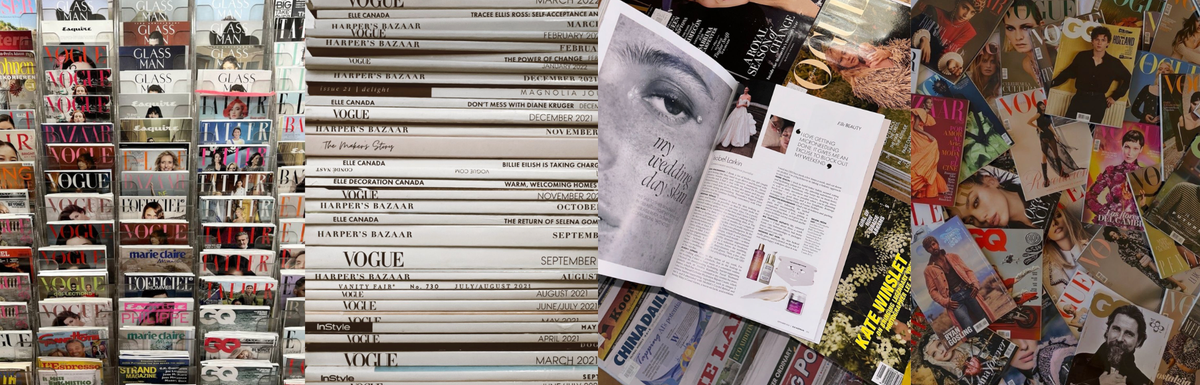
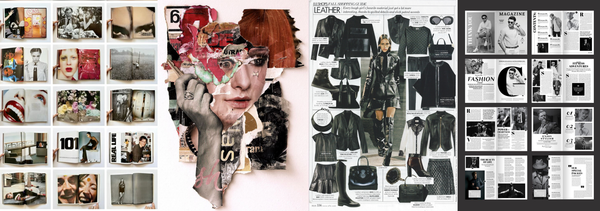
Fashion magazines once held a unique cultural authority. Long before social media algorithms, influencer campaigns, and affiliate links dictated trends, glossy publications shaped the imagination of entire generations. During the 1950s through the 1990s, magazines were more than publications, they were worlds. They created fantasies, launched careers, documented social revolutions, and transformed fashion into visual storytelling.
Today, although digital media dominates how fashion is consumed, many creatives continue to romanticize the golden age of magazines. Why? Because fashion once prioritized vision over virality.
The Rise of the Magazine Empire
The mid-20th century marked the peak influence of print media. Publications such as Vogue, Harper’s Bazaar, Life, Rolling Stone, Time, and Playboy became cultural institutions. They informed readers not only about fashion, but also politics, music, art, celebrity culture, and social change.
Fashion magazines in particular held immense power. Editors dictated trends months before they appeared in stores. A Vogue editorial could influence the silhouettes, colors, and attitudes of an entire season.
Unlike today’s fast-paced digital content, magazines were carefully curated experiences. Every page was intentional. Readers would wait weeks or months for the next issue, treating magazines almost like collectible objects.
These publications also shaped aspiration. They transported readers into glamorous worlds filled with couture gowns, Parisian apartments, avant-garde photography, and cinematic storytelling.
Fashion Editorials as Art
During the 1980s and 1990s, fashion magazines entered what many consider their most creative era. Budgets were enormous, artistic freedom was encouraged, and editors treated fashion shoots like visual theater.
According to stylist and former Vogue fashion editor Charlotte Pilcher, shoots were “all about stories.” Clothing was not simply displayed for consumers to buy; instead, fashion became part of an imaginative narrative.
Pilcher began her career in 1985 under Michael Roberts, the legendary creative director of Tatler. Roberts was known for blending writing, illustration, styling, and artistic direction into a singular vision. Their tiny office overlooking Hanover Square was filled with glitter, papers, handmade layouts, and constant creative chaos.
Designers such as Manolo Blahnik and Rifat Ozbek would visit daily, contributing to an atmosphere where art and fashion merged naturally.
One of their most famous projects involved renting a house in Saxmundham for a Midsummer Night’s Dream-inspired editorial starring Naomi Campbell. Couture garments were specially created for the shoot, while elaborate props and sets transformed the editorial into fantasy storytelling.
This was fashion at its most imaginative: expensive, impractical, theatrical, and unforgettable.
The Human Element Behind the Glamour
Although the golden age is often remembered romantically, the reality behind the scenes was intense.
Fashion editors worked relentlessly under enormous pressure. Pilcher recalls frequently crying from exhaustion and difficult working conditions. Shoots demanded perfection, and the industry could be emotionally unforgiving.
Yet many creatives still describe that era as magical because artistic ambition came first. Michael Roberts, for example, believed there should never be compromise when creating an image. Budget limitations were secondary to vision.
This obsessive pursuit of beauty and originality created some of the most iconic fashion imagery ever published.
However, the industry was not without its flaws:
- Work environments were often harsh and hierarchical.
- Diversity within editorial leadership remained limited.
- Unrealistic beauty standards dominated magazine imagery.
- Creative labor was frequently glamorized despite burnout.
The glamour readers saw on glossy pages often concealed exhaustion, elitism, and immense pressure behind the scenes.
The Shift From Storytelling to Commerce
By the late 1990s and early 2000s, fashion magazines began changing dramatically.
Celebrity culture, paparazzi imagery, and “It Girl” aesthetics started replacing highly conceptual editorials. Fashion became increasingly commercialized, and luxury branding shifted toward visible logos and mass recognition.
Pilcher describes modern fashion media as “logo-driven” and “suffocating.” Today, many publications rely heavily on advertising partnerships and affiliate marketing, where magazines receive commissions from product sales.
This transformed editorial independence.
Fashion photography increasingly became tied to commerce rather than experimentation. Legendary photographer Tim Walker recently lamented:“There is no storytelling. There are no big ideas.”
Even Grace Coddington, one of fashion’s greatest creative directors, reflected on an era where shoots emerged from passionate debates, creative clashes, and artistic risks.
The shift reveals one of the major limitations of contemporary fashion media:
- Algorithms reward speed over originality.
- Social media prioritizes visibility and consumption.
- Editorials are often designed around products rather than narratives.
- Digital attention spans leave little room for slow storytelling.
The Long History of Fashion Magazines
Although many associate fashion magazines with the 20th century, their origins stretch back much further.
The Rijksmuseum exhibition New For Now explored the fascinating evolution of fashion publishing from the 18th century onward.
As curator Christian Borslap explains, early fashion periodicals from 1785 already functioned similarly to modern magazines:
- They told readers what was fashionable.
- They showcased elite lifestyles.
- They highlighted accessories and luxury items.
- They used aristocrats and public figures as trendsetters.
Even then, fashion media relied on aspiration and celebrity influence.
Before photography existed, fashion magazines depended entirely on illustration. Artists interpreted clothing through drawings that emphasized volume, texture, drama, and fantasy. These illustrations often bordered on caricature or satire, demonstrating that fashion media has always balanced reality with imagination.
Borslap argues that print remains powerful precisely because it offers a tactile and immersive experience that digital media cannot fully replicate.
Print vs Digital: Can They Coexist?
The arrival of the internet transformed publishing forever.
Digital platforms introduced immediacy, accessibility, and interactivity. Readers no longer needed to wait for monthly issues because trends now appear instantly through TikTok, Instagram, blogs, and online publications.
This democratized fashion media but also fragmented audiences.
While print magazines once controlled the narrative, today anyone with a smartphone can become a fashion commentator or trend forecaster.
There are advantages to digital media:
- Greater accessibility.
- More diverse voices.
- Faster communication.
- Interactive communities.
However, the digital era also created challenges:
- Content overload.
- Shorter attention spans.
- Declining print budgets.
- Less creative experimentation.
- Dependence on algorithms and sponsorships.
Despite these changes, print has not disappeared. Independent magazines continue to thrive by focusing on niche audiences, collectible design, and artistic storytelling.
Rather than replacing one another, print and digital now coexist in different ways.
The Legacy of the Golden Age
The golden age of fashion magazines continues to influence contemporary fashion imagery, branding, and storytelling.
Editors, stylists, and photographers from that era created a visual language that still shapes modern campaigns today. The fantasy worlds built by magazines taught audiences to see fashion as emotion, identity, and art, not merely consumption.
Charlotte Pilcher eventually co-founded Sweethearts of the Rodeo, a luxury footwear brand inspired by craftsmanship and rock-and-roll elegance. Her career reflects the enduring values of that generation: quality, individuality, and artistic integrity.
Even in today’s hyper-digital world, people continue searching for authenticity, imagination, and stories that feel human.
And perhaps that is why the golden age still fascinates us.
My Thought
Personally, I think the golden age of fashion magazines represents something much bigger than nostalgia. It reminds us of a time when creativity felt slower, riskier, and more emotional. Fashion editorials were not only trying to sell clothes, they were trying to create dreams.
At the same time, I do not think we should idealize the era completely. The industry was often elitist, exhausting, and inaccessible to many people. Today’s digital world has opened fashion conversations to more voices, cultures, and perspectives.
Still, I believe something important has been lost. Many fashion images today feel designed for instant consumption rather than long-lasting impact. The obsession with algorithms and visibility sometimes leaves little room for mystery or imagination.
The best future for fashion media may be a balance between both worlds: the accessibility of digital platforms combined with the artistic ambition and storytelling of the magazine era.
Resources:
- The Oldi: oh-for-the-golden-age-of-fashion-mags-mary-killen
- Julien’s: the-golden-age-of-magazines-a-storied-contrast-to-the-digital-era
- An Other: the-illustrious-history-of-the-fashion-magazin
Photos: