How Pinterest Changed the Way We Think About Style

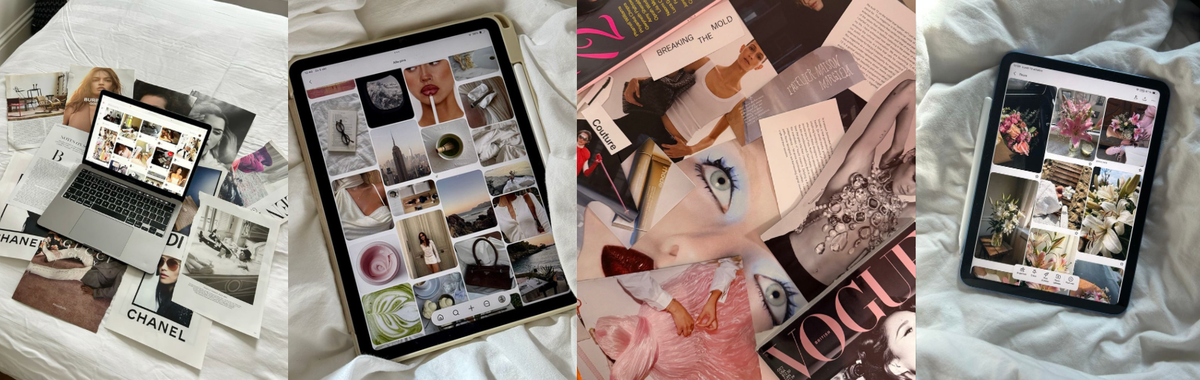
“What you wear is how you present yourself to the world.” — Miuccia Prada
For decades, fashion was dictated from the top down. Magazines announced trends, luxury houses presented collections, celebrities embodied the ideal, and consumers followed. Style was often treated as something linear: trends arrived, people purchased them, and then moved on to the next season.
But Pinterest changed that system completely.
Unlike most social media platforms, Pinterest was never built around performance. There are no visible likes dominating the experience, no pressure to constantly post yourself, no obsession with virality. Instead, Pinterest revolves around collecting, saving, and curating images. And that subtle difference transformed not only the fashion industry, but also the way an entire generation understands personal style.
Today, style is no longer just about what we own. It is about what we imagine, archive, remix, and aspire toward.
Pinterest and the Shift From Consumption to Curation
Before Pinterest, fashion inspiration came mainly from magazines, runway shows, television, and later Instagram. These platforms often centred around ownership and visibility, showing what you already had.
Pinterest introduced a different relationship with fashion.
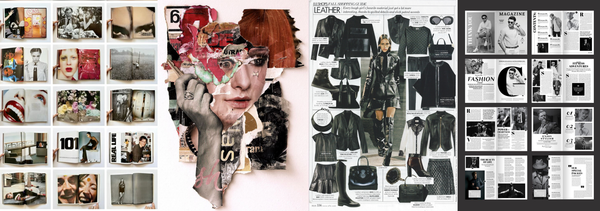
On Pinterest, users create moodboards instead of wardrobes. A person can pin:
- Ballet flats beside combat boots
- Minimalist Scandinavian interiors next to maximalist Barbiecore bedrooms
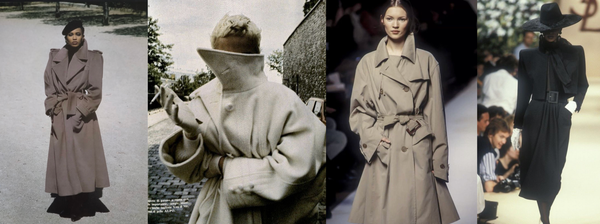
- Vintage Vivienne Westwood looks beside clean-girl aesthetics
- 1990s grunge makeup alongside hyper-feminine coquette fashion
Contradiction is not only accepted on Pinterest, it is encouraged.
This changed the understanding of style from something fixed into something fluid. Pinterest allows users to experiment with identities without fully committing to them in real life. Fashion became less about allegiance to one aesthetic and more about collage-making.
For Gen Z especially, style is no longer singular. It is layered, evolving, and endlessly revisable.
The Rise of the “Pinterest Aesthetic”
Pinterest also helped popularize the idea of aesthetics as complete lifestyle identities.
Instead of simply following “fashion trends,” users began identifying with visual universes:
- Cottagecore
- Clean girl
- Coquette
- Dark academia
- Old money
- Y2K
- Balletcore
- Indie sleaze
- Minimalism
- Soft grunge
Each aesthetic came with:
- Clothing
- Makeup
- Interior design
- Music
- Color palettes
- Lifestyle habits
- Even personality traits
Pinterest transformed fashion into world-building.
This explains why so many young people today describe their taste visually rather than socially. Instead of saying:“I dress casually,”
they might say:“I’m into Scandinavian minimalism mixed with vintage academia.”
Pinterest taught an entire generation to communicate identity through curated imagery.
How Pinterest Changed Real-Life Fashion
The influence of Pinterest is visible everywhere, especially among students and young creatives.
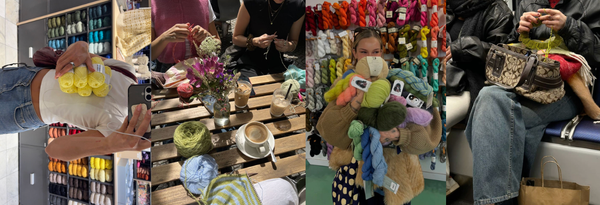
Walk across a university campus today and fashion often feels intentionally “collaged”:
- Patagonia fleeces with thrifted satin skirts
- Pearl jewelry under baseball caps
- Oversized blazers with sneakers
- Ballet flats worn until they look destroyed
- Layered jewelry mixed with sportswear
The old idea of one unified campus style has disappeared.
People now dress like they pin:collecting references from different aesthetics and combining them into something personal.
And the same phenomenon exists inside bedrooms and apartments. Pinterest transformed interior spaces into extensions of identity:
- Gallery walls
- Fairy lights
- Color-coded bookshelves
- Vintage mirrors
- Dried flowers
- Curated desk setups
Even temporary spaces like dorm rooms became carefully designed visual environments.
Pinterest blurred the line between fashion, interior design, and self-expression.
Pinterest as a Digital Diary
One of Pinterest’s most fascinating effects is how it archives personal evolution.
Old boards often feel like time capsules:
- VSCO beach aesthetics
- Mason jar salads
- Tumblr-era grunge bedrooms
- Skinny jeans and infinity scarves
- Cottagecore picnics
- 2014 Tumblr minimalism
Looking through old pins can feel strangely emotional because they capture not only trends, but versions of ourselves.
Pinterest became a visual diary of aspiration.
A board full of pastel bedrooms at age sixteen may not simply represent décor preferences it reflects who someone hoped to become at that moment in their life.
Unlike Instagram, which captures the present, Pinterest often captures the future:
- The apartment you dream of
- The wardrobe you cannot yet afford
- The version of yourself you are slowly constructing
That aspirational quality is central to Pinterest’s power.
Why Gen Z Fell in Love With Pinterest
Pinterest originally attracted millennials searching for wedding inspiration, DIY projects, and home décor ideas. But Gen Z transformed the platform into a fashion powerhouse.
According to Pinterest researchers, users under 25 became one of the platform’s fastest-growing demographics during the pandemic years.
Several reasons explain this shift:
A. Freedom From Validation
Pinterest does not operate like Instagram or TikTok, where users constantly seek engagement and approval.
Pinterest feels private.
Users scroll for themselves rather than for performance. The platform encourages exploration instead of comparison.
That “me time” quality makes Pinterest feel less exhausting than many other social media apps.
B. Fast Trend Discovery
Pinterest rapidly absorbs emerging aesthetics and niche fashion trends.
Users can instantly search:
- “Black velvet slit skirt outfit”
- “Tokyo street style”
- “Scandinavian minimalist outfits”
- “Coquette winter outfits”
And immediately access thousands of references.
The platform functions like an infinite visual search engine for style experimentation.
C. Fashion Accessibility
Pinterest makes inspiration actionable.
Through shopping integrations, users can:
- Find exact pieces
- Discover alternatives
- Support smaller brands
- Recreate entire outfits
Unlike Instagram, where branding dominates, Pinterest searches are often unbranded. People search for ideas rather than labels.
This created opportunities for independent designers and small businesses to gain visibility.
The Pinterest Effect on the Fashion Industry
Pinterest fundamentally changed how fashion brands market themselves.
Fashion imagery now needs to be:
- Saveable
- Moodboard-friendly
- Visually recognizable in seconds
Brands increasingly design campaigns with Pinterest aesthetics in mind.
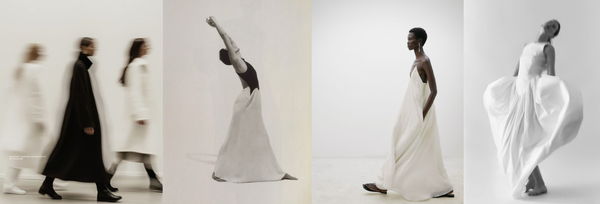
Soft lighting, clean compositions, layered textures, nostalgic color palettes, and cinematic styling all perform well because they fit naturally into users’ boards.
The rise of “Pinterest fashion” also accelerated micro-trends:
- Coastal grandmother
- Tomato girl summer
- Mob wife aesthetic
- Quiet luxury
- Balletcore
Trends spread faster because Pinterest turns visual inspiration into an endlessly recyclable archive.
Fashion no longer moves seasonally.It moves algorithmically.
The Limits and Negative Side of Pinterest
Although Pinterest offers creativity and inspiration, its influence is not entirely positive.
A. Unrealistic Aspirations
Pinterest often presents idealized lifestyles:
- Perfect apartments
- Expensive wardrobes
- Impossibly organized lives
- Unrealistic beauty standards
This can create pressure to aestheticize every aspect of life.
Sometimes people become more focused on creating a beautiful image than actually enjoying reality.
B. Endless Consumption
Even though Pinterest feels less commercial than Instagram, it still encourages desire.
Every saved image can become another thing to buy:
- Another lamp
- Another coat
- Another skincare routine
- Another version of yourself
The platform can fuel overconsumption disguised as self-improvement.
C. Identity Fatigue
Pinterest promotes constant reinvention.
While experimentation can be liberating, it can also create instability. Some users may feel pressured to continuously reinvent themselves aesthetically in order to stay interesting or relevant.
At times, identity becomes fragmented into trends rather than grounded in authenticity.
D. Homogenization of Style
Ironically, a platform built around individuality can also make everyone look similar.
The same Pinterest-inspired outfits, neutral interiors, and “effortless” aesthetics repeat endlessly online. What begins as self-expression can eventually become another uniform.
Pinterest and the Future of Style
Pinterest changed fashion because it changed imagination itself.
Style is no longer just:
- Clothing
- Ownership
- Trends
- Labels
Now, style exists as:
- Archives
- Moodboards
- Aspirations
- Experiments
- Digital storytelling
Fashion became less about dressing for society and more about curating a personal visual universe.
And perhaps that is why Pinterest remains so powerful.
It does not simply tell users what is fashionable.
It allows them to imagine who they could become.
My Thought
As someone deeply interested in fashion, I find Pinterest fascinating because it transformed style into something emotional and personal rather than purely material.
When I scroll through Pinterest, I do not only see clothes. I see atmospheres, references, dreams, memories, films, architecture, colors, and identities. A single board can feel like a visual autobiography.
What I especially love is the freedom Pinterest gives people to experiment. Fashion no longer needs to fit perfectly into one category. Someone can love minimalism and maximalism at the same time. They can wear vintage tailoring one day and hyper-feminine balletcore the next. Pinterest made contradiction beautiful.
But I also think it is important to recognize the platform’s limits. Pinterest can sometimes romanticize unrealistic lifestyles and encourage endless consumption under the disguise of “finding yourself.” It can make people feel like their life always needs to look curated and aesthetic.
Still, I believe Pinterest has had an undeniable cultural impact. It changed the relationship between fashion and identity for an entire generation. Style became less about impressing others and more about creating a world that feels true to yourself.
At the end of the day, fashion is no longer only what we wear.
It is what we save, collect, imagine, and pin.
Resources:
- Yale Daily News: how-pinterest-has-changed-the-way-we-think-about-style
- Medium: powerful-pins-pinterests-revolutionary-effect-on-the-fashion-industry-80709fbca6c3
- Nylon: pinterest-outfits-fashion-inspiration-gen-z
Photo: