The Rise of Independent Fashion Houses

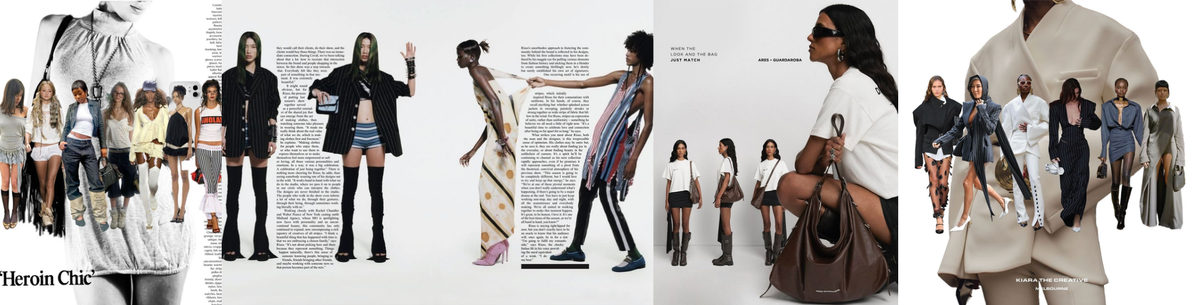
From the neighborhood “mom-and-pop” stores of the 18th century to today’s carefully curated boutiques, independent fashion retail has always survived through authenticity, craftsmanship, and human connection. While large luxury conglomerates continue to dominate global fashion, a parallel movement has been quietly transforming the industry: the rise of independent fashion houses and retailers.
In recent years, consumers have increasingly turned toward smaller brands and boutiques in search of originality, sustainability, and emotional connection. Independent fashion labels are no longer simply “emerging designers” operating at the margins of the industry, they are becoming some of the most influential creative forces shaping fashion’s future.
Why Independent Fashion Houses Are Rising
The fashion industry has changed dramatically over the last decade. Social media, digital culture, and changing consumer values have opened the door for smaller labels to compete with global luxury brands in ways that were once impossible.
Today’s consumers are no longer satisfied with buying clothing solely because of a famous logo. They want:
- authenticity,
- storytelling,
- craftsmanship,
- sustainability,
- and individuality.
Independent brands naturally respond to these desires because they often operate on a smaller scale with stronger creative freedom.
Unlike major fashion houses that must satisfy shareholders, large retail partners, and global sales targets, independent designers can experiment more freely with:
- silhouettes,
- cultural references,
- gender expression,
- textile innovation,
- and artistic storytelling.
As a result, many independent labels function as creative laboratories for the industry. Trends and ideas introduced by smaller brands often influence mainstream fashion years later.
The Return of Human Connection in Fashion Retail
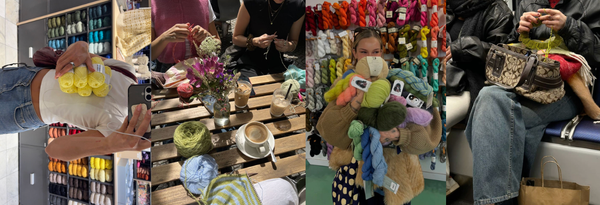
Many believed the pandemic would permanently weaken physical retail and push fashion entirely online. Surprisingly, the opposite happened for many independent stores.
Consumers began craving:
- local experiences,
- personal interactions,
- and meaningful shopping environments.
Independent boutiques succeeded because they offered something algorithms and giant e-commerce platforms could not: emotional connection.
A 2024 PYMNTS study revealed that many American consumers actively prioritize shopping from local businesses or stores connected to their communities. Independent retailers have become cultural spaces rather than simple commercial locations.
Unlike department stores that can feel impersonal, boutiques often provide:
- expert curation,
- personalized recommendations,
- immersive atmospheres,
- and long-term customer relationships.
This creates stronger loyalty and allows independent retailers to build cult-like followings with highly influential clients.
Independent Retail vs. Major Retail Chains
- The Advantages of Independent Retailers
For fashion brands, partnering with independent boutiques offers several advantages.
Greater Flexibility
Independent retailers are often more open to negotiating:
- pricing,
- delivery schedules,
- payment terms,
- and smaller orders.
This flexibility can significantly reduce financial pressure for emerging brands.
Stronger Brand Identity
Small boutiques carefully curate their assortments. Instead of becoming “another product on a shelf,” independent brands often receive more attention and storytelling support.
Sustainability Appeal
Consumers increasingly associate local shopping with ethical consumption and sustainability. Shopping locally feels more intentional and personal compared to mass consumption.
Community Building
Independent spaces create communities around fashion. Customers often feel emotionally connected not only to the products, but to the values and creative vision behind them.
- The Limits of Independent Retail
However, independent retail also comes with important limitations.
Slower Growth
If a brand’s primary goal is rapid global expansion, independent boutiques alone may not provide enough scale.
Smaller Financial Capacity
Large department stores can place massive orders, while smaller boutiques typically buy in more limited quantities.
More Relationship Management
To achieve significant distribution through independent retail, brands must build and maintain relationships with many individual stores rather than relying on a few giant accounts.
Financial Risk
Independent retailers themselves can also be financially fragile, especially during economic downturns.
The reality is that independent retail requires patience, long-term thinking, and careful relationship building.
The Crisis of the Traditional Wholesale System
One of the biggest struggles facing independent fashion brands today is the instability of wholesale.
Many emerging labels depend on large retailers for visibility, yet these partnerships can become dangerous financially. Delayed payments, excessive discounting, and sudden bankruptcies have created enormous pressure on smaller brands.
The collapse and financial struggles of major retailers such as Saks highlighted the vulnerability of the current system.
For independent labels, wholesale can become a trap:
- brands produce large collections upfront,
- retailers delay payments,
- unsold inventory damages profitability,
- and excessive discounting weakens brand identity.
As a result, many emerging designers are now rethinking the traditional wholesale model entirely.
Direct-to-Consumer vs. Wholesale
Today, successful independent brands no longer see direct-to-consumer (DTC) and wholesale as opposites.
Instead, they combine both strategically.
Wholesale Helps:
- introduce the brand to new audiences,
- test new markets,
- build prestige through selected retailers.
Direct-to-Consumer Helps:
- maintain creative control,
- collect customer data,
- improve profit margins,
- strengthen brand identity.
The strongest independent labels use wholesale for visibility and DTC for long-term loyalty.
The Power of Digital Culture and Social Media
Independent fashion brands have benefited enormously from digital platforms.
In the past, entering the fashion industry required:
- department store partnerships,
- fashion magazine coverage,
- and large advertising budgets.
Today, a single collection can gain global attention through:
- Instagram,
- TikTok,
- fashion communities,
- and online editorial platforms.
Digital culture has democratized visibility.
Designers can now build audiences directly by sharing:
- their creative process,
- inspirations,
- craftsmanship,
- and personal stories.
This direct relationship between designer and audience creates stronger emotional investment from consumers.
Independent Designers Redefining Fashion
A new generation of independent designers is reshaping fashion globally through innovation, identity, and cultural storytelling.
Peter Do: New York
Peter Do combines precise tailoring with minimalist influences inspired by Helmut Lang and Martin Margiela. His brand focuses on structure, craftsmanship, and modern elegance.
Tomo Koizumi : Tokyo
Tomo Koizumi became internationally recognized for his dramatic tulle creations after connecting with stylist Katie Grand through Instagram.
Palomo Spain : Spain
Palomo Spain challenges traditional masculinity through romantic menswear inspired by Spanish history, craftsmanship, and non-binary identity.
Yueqi Qi : Guangzhou
Yueqi Qi combines traditional Chinese beadwork and contemporary aesthetics to create dreamlike collections that resonate strongly with Gen Z audiences.
Maximilian Davis : United Kingdom
Maximilian Davis explores Black elegance, sensual minimalism, and contemporary tailoring inspired by club culture and Caribbean heritage.
These designers prove that independent fashion today is deeply connected to:
- identity,
- culture,
- sustainability,
- craftsmanship,
- and emotional storytelling.
Sustainability and Thoughtful Consumption
Another major reason behind the rise of independent labels is the growing demand for sustainable fashion.
Consumers increasingly reject overproduction and disposable fast fashion.
Independent brands often produce:
- smaller collections,
- limited quantities,
- higher-quality garments,
- and more thoughtful designs.
This slower approach helps create emotional value around clothing.
Many independent designers also experiment with:
- recycled materials,
- deadstock fabrics,
- artisanal production,
- and biodegradable textiles.
However, sustainability remains complex.
The Limits of Sustainable Independent Fashion
Sustainable production is expensive. Smaller brands often struggle with:
- sourcing ethical materials,
- manufacturing costs,
- and scaling responsibly.
Additionally, sustainability itself can sometimes become a marketing tool rather than a genuine practice.
Consumers are becoming more critical of “greenwashing,” meaning brands must prove their commitments through transparency rather than aesthetics alone.
The Threat of Fast Fashion and Dupes
Independent brands also face increasing problems with copying and imitation.
Fast fashion companies can reproduce independent designs at incredible speed and sell them at far lower prices.
Because legal protection in fashion is limited, many independent designers have little defense against copies.
This creates frustration for small labels that invest enormous time into:
- research,
- fitting,
- textile development,
- and craftsmanship.
The real value of independent fashion therefore lies beyond the garment itself:
- originality,
- emotional connection,
- craftsmanship,
- and creative identity.
These are things fast fashion cannot fully replicate.
The Future of Independent Fashion
Fashion’s future will likely not be defined by a battle between luxury giants and independent designers.
Instead, the future may depend on collaboration between:
- large-scale infrastructure,
- and small-scale creativity.
Independent labels bring:
- innovation,
- flexibility,
- and cultural relevance.
Established fashion houses bring:
- manufacturing power,
- global distribution,
- and financial stability.
Together, they shape the evolving landscape of contemporary fashion.
As consumers continue searching for authenticity and meaning, independent fashion houses will likely become even more influential in defining future aesthetics and cultural movements.
My Thought
What makes independent fashion houses so fascinating to me is not only the clothing itself, but the emotional and cultural worlds these designers create around their work. Independent fashion feels more human. You can often see the personality, fears, memories, and dreams of the designer directly inside the garments.
In many ways, independent labels remind us that fashion is still an art form before it becomes an industry. While major luxury brands sometimes feel distant because of their scale, smaller labels often create a stronger emotional dialogue with their audience.
I also think independent fashion represents an important resistance against overconsumption and uniformity. In a world dominated by algorithms and mass production, discovering a small designer with a unique vision feels personal and exciting.
At the same time, it is important to recognize the difficulties these designers face. Creativity alone is not enough to survive in fashion. Financial pressure, wholesale instability, sustainability challenges, and fast-fashion copying make the industry incredibly difficult for independent brands.
Still, despite all these obstacles, independent designers continue to shape the future of fashion through innovation, courage, and individuality. And perhaps that is exactly why they matter so much today.
Resources:
- Forbes: how-fashion-brands-can-tap-into-the-rise-of-independent-retail
- Business of Fashion: a-survival-guide-for-independent-brands
- Vogue: september-issue-2021-young-designer-fashion-portfolio
- Fashionabc: the-rise-of-independent-fashion-labels-in-a-globalized-industry
- Prototype Fashion: the-rise-of-independent-designers-shaping-the-future-of-fashion
Photos: