MET GALA 2026: WHEN FASHION BECOMES ART

Every first Monday of May, the Metropolitan Museum of Art becomes the center of the fashion world. The Met Gala is much more than a celebrity event: it is the annual fundraiser for the Costume Institute and the official opening of its spring exhibition.
This year, the 2026 Met Gala took place on May 4 with a theme that immediately sparked curiosity: “Costume Art”, accompanied by the dress code “Fashion Is Art.”
More than just an invitation to dress beautifully, the theme challenged guests to transform their bodies into artistic expressions, blurring the line between fashion, sculpture, and performance.
But beyond the glamour, what does this theme really mean?
The Theme: “Costume Art”
The 2026 exhibition, Costume Art, explores the relationship between clothing and the human body through history.
Curated by Andrew Bolton, the exhibition combines nearly 400 fashion pieces and artworks spanning over 5,000 years.
The idea is simple but powerful: fashion has always been part of art history.
Bolton explains that clothing shapes how the body is represented and understood. Even when bodies are shown “nude” in art, they still carry cultural meaning.
The exhibition studies different body representations:
- Classical bodies
- Anatomical bodies
- Aging bodies
- Pregnant bodies
- Bodies historically ignored by Western art
This makes the exhibition more inclusive and modern.
The Dress Code: “Fashion Is Art”
Unlike previous Met Gala dress codes, “Fashion Is Art” is very open.
Instead of copying famous paintings or historical outfits, celebrities are encouraged to create wearable art.
This means:
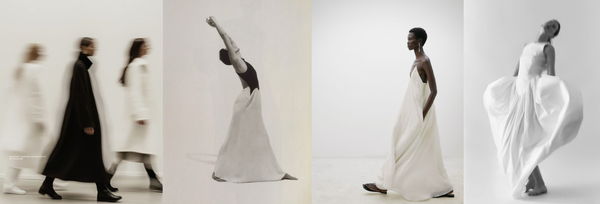
- Sculptural silhouettes
- Architectural designs
- Experimental shapes
- Artistic construction
- Anatomical inspirations
Fashion becomes more than clothing, it becomes a statement.
Designers are expected to focus on craftsmanship, material, and form rather than trends.
This year’s theme puts creativity at the center.
The Fashion Predictions
This year’s red carpet is expected to be highly dramatic.
Because the exhibition focuses on the human form, fashion will likely emphasize body structure.
Possible trends include:
- Sculptural silhouettes
Outfits inspired by marble statues and classical sculptures.
- Corsetry and body shaping
Corsets to reshape and highlight the body’s natural lines.
- Anatomical fashion
Designs inspired by muscles, bones, and the body under the skin.
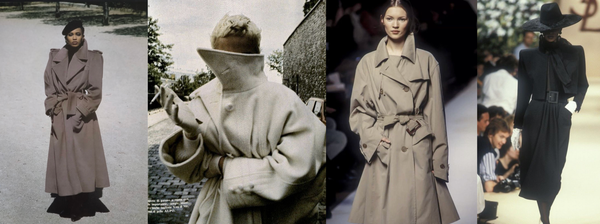
- Oversized architecture
Large volumes and exaggerated proportions.
A strong inspiration this year is Rei Kawakubo from Comme des Garçons, known for challenging traditional body shapes.
Her influence represents the idea that fashion does not have to “fit” the body, it can transform it.
The Event Design
Fashion was not the only art form at the gala.
The event design itself became part of the artistic experience.
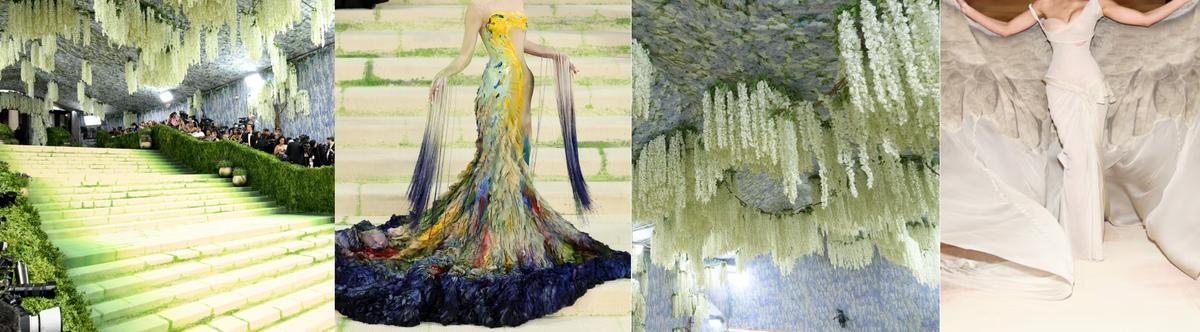
Designer Raúl Àvila worked with Baz Luhrmann and Derek McLane to create a Renaissance-inspired Northern Italian garden.
The traditional red carpet was replaced by a hand-painted stone pathway.
The space was decorated with hanging wisteria flowers, creating a romantic and immersive atmosphere.
The symbolism is clear:
If fashion is art, then the guests themselves become part of the exhibition.
The Hosts and Celebrity Power
The 2026 co-chairs are:
- Anna Wintour
- Nicole Kidman
- Venus Williams
- Beyoncé
One major highlight is Beyoncé’s return after 10 years.
The guest list remains secret every year, which creates suspense and media attention.
That mystery is part of the Met Gala’s power.
The Limits and Criticism
Even though the Met Gala celebrates creativity, it has important limits.
- Exclusivity
The Met Gala is one of the most exclusive events in the world.
Tickets can cost tens of thousands of dollars.
This raises questions:
Can fashion really be “for everyone” if only the elite can participate?
- Commercialization
Fashion as art sounds beautiful, but the Met Gala is also a business.
Luxury brands use the event as marketing.
Sometimes artistic value becomes secondary to publicity.
- Contradictions
This year’s theme celebrates bodies often ignored by art history.
But the fashion industry itself still promotes narrow beauty standards.
This creates tension between the message and reality.
- Sustainability concerns
Large custom-made outfits for one night raise environmental questions.
Fashion can be art, but it can also create waste.
These contradictions are important because they show that fashion is both creative and problematic.
My Thought
I think the 2026 Met Gala theme is one of the most intelligent themes in recent years because it reminds us that fashion is much deeper than trends.
Fashion shapes identity, history, and culture.
What I find most interesting is the idea of the body as a canvas. It makes fashion feel alive and personal.
But I also think the Met Gala shows the contradiction of fashion: it celebrates creativity and inclusivity while staying inaccessible to most people.
That’s what makes it fascinating.
It’s beautiful, inspiring, but also imperfect.
And maybe that’s exactly what art is.
Resources:
- Elle: met-gala-2026-dress-code-fashion-is-art-meaning-explained
- Vogue: met-gala-2026-carpet
- Poeple: 2026-met-gala-theme-explained-11963882
- CBS News: met-gala-theme-2026-costume-art
Photos: