The Met Gala’s History
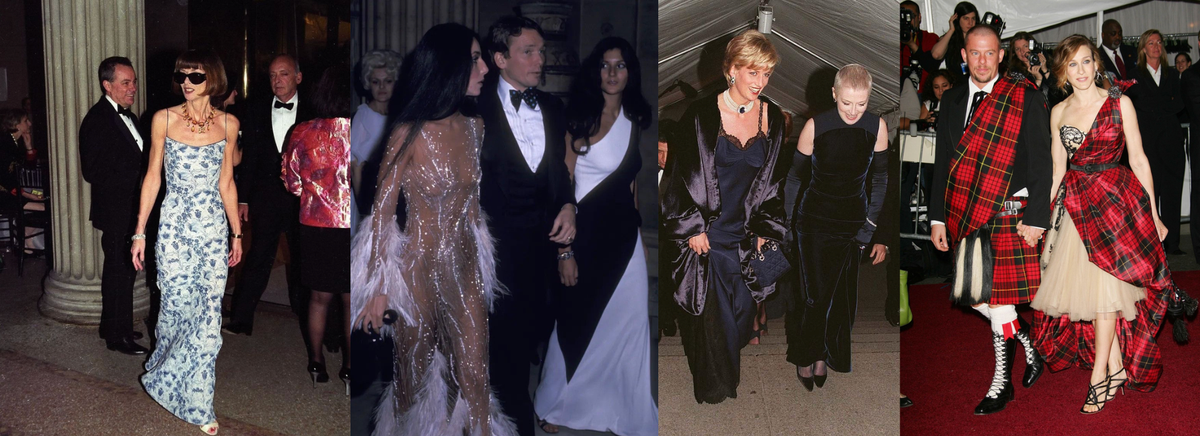
Today, the Met Gala is one of the most watched fashion events in the world. The moment celebrities step onto the carpet, millions of people instantly react on Instagram, TikTok, X, and YouTube. Outfits become memes, trends are born overnight, and every dramatic entrance is replayed across social media within seconds.
But before smartphones, livestreams, and viral posts, the Met Gala was completely different.
There was no global audience watching every step. No influencers documenting the night in real time. No endless “best dressed” rankings appearing seconds after celebrities arrived. In the 1980s, 1990s, and even the early 2000s, the Met Gala was a far more intimate, mysterious, and elite event, a glamorous New York party hidden behind closed doors.
The Origins of the Met Gala
The Met Gala began in 1948 thanks to fashion publicist Eleanor Lambert. Originally, the event was simply a fundraiser for the Costume Institute of the Metropolitan Museum of Art.
At the time, tickets cost only $50, and the event was more like a society dinner than the global spectacle we know today. It was attended mainly by New York socialites, museum supporters, and members of the fashion industry.
For decades, the Gala was not even held inside the museum itself. Early editions took place at prestigious New York venues such as the Waldorf Astoria and the Rainbow Room.
Everything changed in the 1970s when former Vogue editor Diana Vreeland became a consultant for the Costume Institute. She introduced exhibition themes, celebrity guests, and theatrical glamour. During her era, stars such as Elizabeth Taylor, Andy Warhol, Madonna, and Cher began attending.
The Gala slowly transformed from a society fundraiser into a cultural event.
What the Met Gala Was Like Before Social Media
- No Red Carpet Spectacle
One of the biggest surprises about the early Met Gala is that there was barely a red carpet at all.
Photographers were often confined inside the entrance behind velvet ropes. Celebrities simply arrived, checked their coats, and entered the museum. The famous Met steps, now one of the most photographed locations in fashion, were not yet important.
Fashion photographer accounts from the time describe the atmosphere as chaotic but much smaller. There were fewer cameras, fewer reporters, and far less pressure.
Unlike today, photographers used film cameras, meaning pictures had to be developed afterward. Nothing appeared instantly online.
This created a sense of mystery and exclusivity.
- A More Intimate Environment
Before social media, guests could actually relax.
Celebrities were not worried about every movement becoming viral online. Designers and actresses interacted more naturally because they knew only a handful of photographers were documenting the night.
Photographers also had more personal access to celebrities. Many were trusted members of the fashion world rather than paparazzi chasing scandals.
Fashion designer Vera Wang explained that the Gala once felt more like an elegant New York social gathering than an international media circus.
The event centered on fashion, art, and conversation rather than internet attention.
- The Legendary After-Parties
One of the most fascinating differences was the after-parties.
After dinner, younger guests and creative teams often gathered inside the museum for dancing, live music, and celebrations around the Temple of Dendur.
Unlike today’s luxury brand-sponsored after-parties, these gatherings were much more casual and personal. Guests changed into more relaxed clothing, smoked cigarettes openly, and danced late into the night.
Many attendees described the atmosphere as more authentic and less performative than modern Met Gala culture.
The Rise of Celebrity Culture and the Internet
- Anna Wintour’s Influence
When Anna Wintour took control of the Gala in 1995, the event became significantly more celebrity-focused.
Under her leadership, the guest list expanded beyond New York society to include actors, musicians, athletes, and global public figures.
The Gala also moved permanently to the first Monday of May in 2001, helping it become a major annual fashion event.
At the same time, the internet and digital photography completely changed media coverage.
Suddenly, images could circulate instantly around the world.
- Fashion Became Performance
By the mid-2000s and especially the 2010s, the Met Gala transformed into a global entertainment event.
Themes became increasingly dramatic and visually ambitious. Celebrities began treating the carpet like a stage performance.
Some of the most memorable moments include:
- Lady Gaga arriving in multiple outfit changes in 2019
- Zendaya wearing a glowing Cinderella-inspired gown
- Billy Porter being carried onto the carpet like an Egyptian pharaoh
- Rihanna dressed as a fashion pope during the 2018 “Heavenly Bodies” theme
The Gala evolved into a mix of fashion, celebrity culture, marketing, and internet virality.
The Role of Social Media
Social media completely transformed the Met Gala’s global influence.
Platforms like Instagram, TikTok, and Twitter turned the event into a worldwide live experience. Every outfit is immediately analyzed, praised, criticized, and memeified.
The Gala is no longer just about fundraising or fashion history, it is now one of the biggest online cultural moments of the year.
In 2024, the event reportedly generated around $1.4 billion in media impact value, showing how powerful the Gala has become as a marketing machine.
The inclusion of influencers and internet celebrities also reflects this shift. In recent years, creators from TikTok and social media have joined actors, musicians, and designers on the famous steps.
The Limits and Criticism of the Modern Met Gala
Even though the Met Gala is celebrated for creativity and glamour, it also faces important criticism.
- Extreme Exclusivity
Ticket prices have risen dramatically over time. In 2026, a single ticket reportedly cost around $100,000.
This extreme exclusivity reinforces the image of the Gala as an event reserved for the ultra-rich and ultra-famous.
- Commercialisation
Some critics argue that the event has become less about art and fashion history and more about branding, sponsorships, and viral attention.
Luxury fashion houses now carefully design moments specifically for internet visibility.
- Social and Political Criticism
The Gala has also been criticized for seeming disconnected from real-world problems.
For example, during the 2024 Gala, social media users compared the event to the Capitol from The Hunger Gamesbecause of the contrast between celebrity luxury and global crises happening at the same time.
Certain themes have also generated controversy over cultural appropriation, religion, and representation.
These debates show how the Met Gala has become much bigger than fashion alone.
Why People Still Love the Met Gala
Despite criticism, the Met Gala remains fascinating because it sits at the intersection of fashion, celebrity culture, art, history, and internet culture.
It is one of the few events where fashion is treated almost like performance art.
The Gala also reflects how society itself has changed:
- from private elite gatherings
- to global digital entertainment
- from mystery and exclusivity
- to instant online visibility
In many ways, the evolution of the Met Gala mirrors the evolution of celebrity culture itself.
My Thought
Personally, I think the Met Gala before social media sounded more elegant and authentic. It felt less focused on creating viral moments and more focused on creativity, fashion appreciation, and genuine interaction between artists, designers, and celebrities.
At the same time, social media also made fashion more accessible. Today, people all around the world can participate in conversations about couture, art, and style without being part of elite New York society.
However, I do think some of the mystery has disappeared. Before social media, the Met Gala seemed like a hidden world that only a few people could experience. Now, every detail is immediately shared online, analyzed, and transformed into content.
The Met Gala has become bigger than fashion itself, it has become a reflection of modern celebrity culture, internet influence, and the way we consume glamour today.
Resources
- Haparz bazar: met-gala-pre-social-media-personal-accounts
- Wikipedia: Met_Gala
- Vogue: everything-you-need-to-know-about-the-met-gala-video
- WWD: met-gala-history-how-it-turned-from-fundraiser-to-fashions-biggest-night-1235167840
Photos